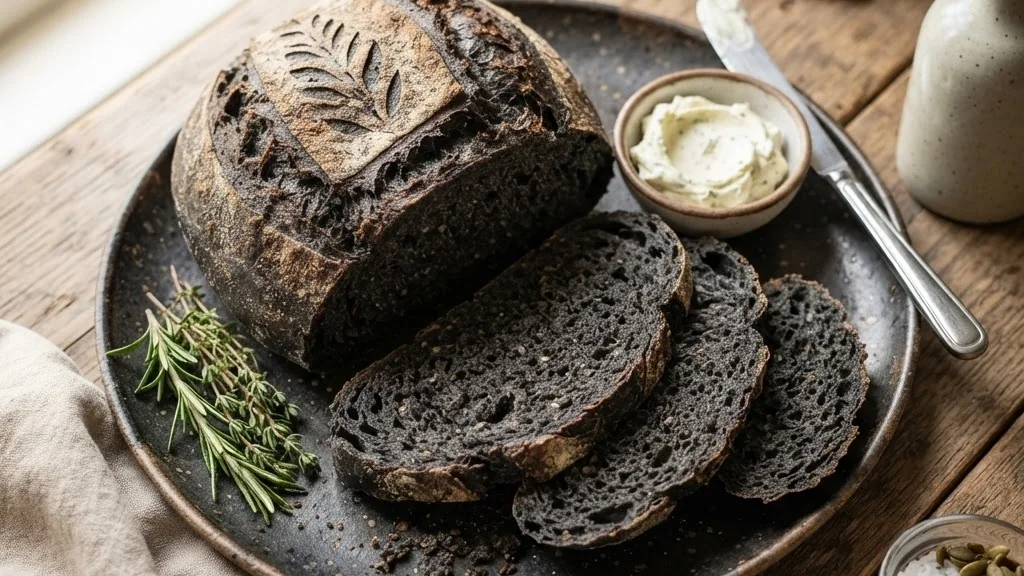
Inked keto bread sells one slice at 45 calories and a single net carb, a number printed on the bag that sounds too generous for something that toasts, folds, and tears like real sandwich bread. That gap between the label and your gut instinct is exactly why this bread confuses people. It is not a home recipe. It is a commercial line from Inked Bread Co., a bakery out of the San Francisco Bay Area near Petaluma, sold in bulk at Costco and by the loaf at Walmart. The question buyers actually type is not “how do I make it” but “is it real, what is inside, and which of the three is worth the freezer space.”
Quick answer: Inked keto bread is a wheat-based, ultra-processed loaf that lands at 1 net carb and 45 calories per slice because most of its carbohydrate is fiber and resistant starch. It carries the Keto Certified seal from the Paleo Foundation. It is soft, slightly sweet from stevia, and it comes in three keto varieties: Timber Wolf (seeded), Winter Wolf (white), and Big Bread Wolf (sourdough). It is not gluten-free and not organic, so celiac shoppers should skip it. Best value is the Costco 2-pack.
What Inked Bread Co. actually is and where it came from
Inked Bread Co. is a Bay Area bakery based near Petaluma, California, that built its name on low-carb loaves engineered to behave like conventional bread. The brand leans hard on wolf-themed product names and a heavy stack of customer reviews on its own store. That volume of feedback is real social proof, but it comes from a seller with an obvious stake in the verdict, so it is worth weighing alongside independent shopper accounts rather than on its own.
The three keto loaves you will see on shelves are Timber Wolf, the seeded one, Winter Wolf, the white one, and Big Bread Wolf, the sourdough. Each is engineered around the same trick: swap most of the digestible starch for modified wheat starch, wheat fiber, and inulin, then sweeten lightly so it does not taste like cardboard. Retail placement varies by region. Some Costco warehouses stock all three, others rotate seasonally, and Walmart tends to carry a narrower single-loaf selection rather than the full lineup, so availability is worth checking before you plan a recipe around a specific variety.
If you are building a broader low-carb pantry around it, the loaf pairs naturally with the kind of protein-forward meals we cover in our melt-in-your-mouth brisket recipe, where a soft slice does real work mopping up rendered fat.
Macros per slice for each variety, and the fiber discrepancy nobody flags
Timber Wolf Keto Seeds runs 45 calories, 2 grams of fat, 11 grams of total carbohydrate, and 4 grams of protein per 30-gram slice, with 115 milligrams of sodium and 0 grams of sugar. The headline math is total carbs minus fiber. Subtract the 10 grams of fiber the bag claims from 11 grams total and you land at the advertised 1 net carb. That is the whole pitch, and for a bread that folds around a sandwich it stands out, especially compared with a standard sandwich loaf, which carries significantly more total carbohydrate per slice and much less fiber.
Here is the wrinkle worth knowing before you trust the label blindly.
- The label says 10 g fiber per slice, which produces the clean 1 net carb figure printed on the bag and repeated at Costco.
- A FatSecret database entry for the same Timber Wolf loaf lists 0 g fiber, which would make the net carb closer to 11 g if it were accurate.
- Independent shopper reviews report 1 net carb and note the bread carries no sugar alcohol and no added sugar.
The most likely explanation is a data-entry gap in the third-party database rather than a mislabeled bag, since the manufacturer, the Costco listing, and Amazon product data all agree on the high-fiber, 1-net-carb figure. Still, if you are the type who logs every gram, cross-check the physical bag in your hand rather than trusting a phone app’s cached entry.
The practical fix is simple. Photograph the nutrition panel the first time you buy a loaf and keep it in your phone alongside whatever tracking app you use, so a stale database entry never overrides what the actual package says. If a tracker forces you to pick from a list of pre-loaded entries, search by the exact product name including the variety, since generic listings for “keto bread” tend to average out very different products and produce numbers that match nothing on your counter.
The Keto Certified Sourdough (Big Bread Wolf) also lands at 1 gram of net carbs per slice, sold as a 16-ounce loaf in 2-count packs. Across the three varieties the calorie and net-carb story is remarkably consistent; the differences you will taste live in texture and crumb, not in the numbers.
Reading the ingredient list: modified wheat starch, gluten, and stevia
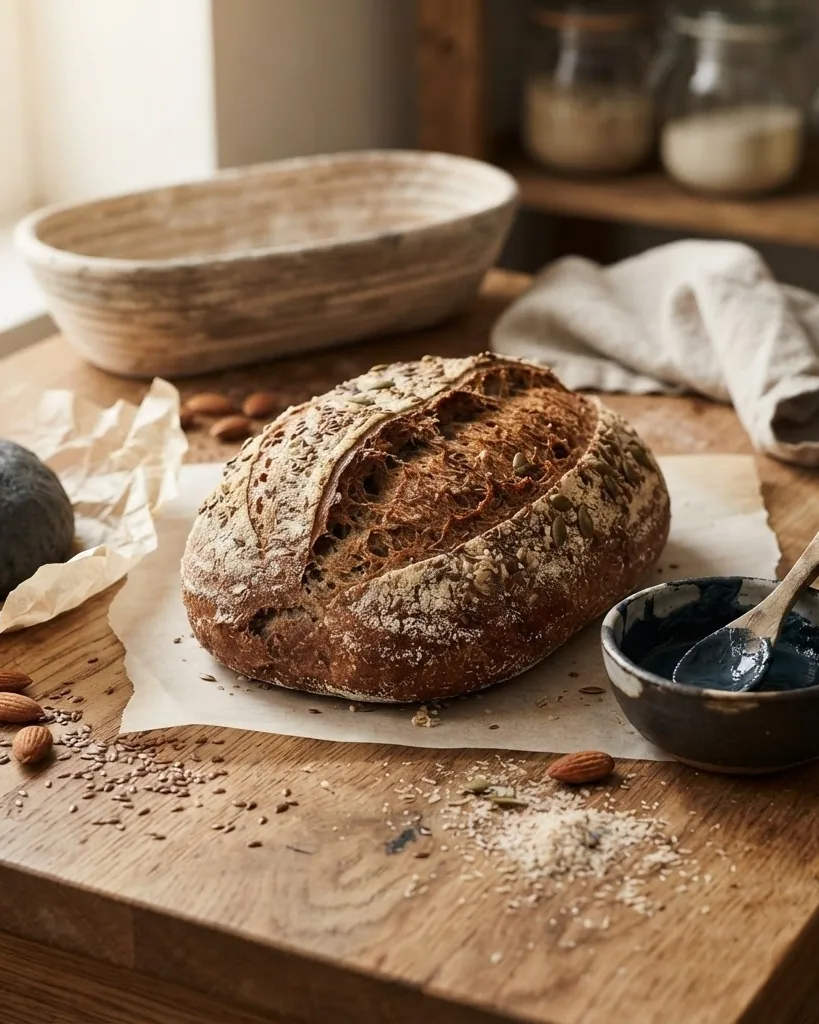
The Winter Wolf Keto White ingredient list tells you exactly how a wheat bread hits 1 net carb: modified wheat starch, water, wheat gluten, wheat protein isolate, soybean oil, wheat fiber, inulin, yeast, vinegar, salt, stevia leaf extract, calcium propionate, and sorbic acid. That first block is the engineering. Modified wheat starch and wheat fiber replace ordinary flour’s digestible starch, wheat gluten and wheat protein isolate supply structure and the 4 grams of protein, and inulin adds soluble fiber that the body does not count as available carbohydrate.
Two ingredients explain the taste people either love or side-eye. Stevia leaf extract is the sweetener, which is why several shoppers describe the loaf as “sweet” for a sandwich bread. Calcium propionate and sorbic acid are the preservatives that fight mold, which becomes relevant to how you store it.
Inulin deserves its own note, since it is the ingredient most likely to cause an unexpected side effect. It is a prebiotic fiber pulled from chicory root or similar plants, and in large amounts it can cause gas or bloating in people whose gut bacteria are not used to fermenting it. A slice or two rarely causes trouble, but stacking several servings a day while also eating other inulin-fortified low-carb products can add up faster than people expect. Anyone new to high-fiber, low-carb breads should introduce them gradually rather than switching over in a single day.
This is, plainly, an ultra-processed food. That is not a moral judgment, but it is a fact worth naming next to the clean macros. If you want the reasoning behind why some processed keto staples deserve scrutiny even when the numbers look great, our piece on the honest risks of eating this way walks through the trade-offs without the usual cheerleading.
Is Inked keto bread really keto? The net carb math and the certification
Whether this bread is “really keto” comes down to two things: the net carb calculation and whether a credible third party audited it. Net carbs are total carbohydrate minus fiber, because fiber passes through largely undigested and does not raise blood glucose the way starch and sugar do. Inked runs 11 grams total carbohydrate minus 10 grams fiber, which is how one slice arrives at 1 gram net carb. The loaves also carry the Keto Certified seal from the Paleo Foundation, which is the part the Costco reviews and the brand’s own pages rarely explain.
That certification is not decorative. According to the Paleo Foundation, a product simply labeled “keto-friendly” with no verification can carry roughly 15 grams of net carbs per serving, enough to knock most people out of ketosis on its own. You can read the organization’s reasoning in its keto certification guide.
The published thresholds give the seal teeth. The Paleo Foundation’s 2022 standards set snack products at no more than 6 grams of net carbs per serving, rising to 8 grams when the ingredients are minimally processed or have reduced digestibility. The full rules are in the Keto Certified Standards document. At 1 gram per slice, Inked sits well under even the strictest tier, which puts it in a different category from bread that merely calls itself keto without submitting to an outside audit.
Context on ketosis itself helps here. Harvard Health Publishing notes that entering ketosis generally takes 2 to 4 days of eating fewer than 20 to 50 grams of carbohydrate per day, and calls the process highly individualized in its review of the ketogenic diet. Against a 20-to-50-gram daily ceiling, a 1-net-carb slice barely registers, even if you eat two or three slices across a day.
Clinical background on the macronutrient split and contraindications is summarized by StatPearls on the National Center for Biotechnology Information library, which is useful reading if you have a medical condition and want the physiological detail behind why very low carbohydrate intake changes fuel metabolism. For a broader sanity check on which “diet” foods behave, our guide to whether chocolate fits a keto diet uses the same net-carb logic to sort marketing claims from the actual math.
Common mistakes people make when they buy this bread
The most frequent mistake is treating “1 net carb” as license to eat the loaf without limit. Net carbs measure carbohydrate impact, not calories or portion control, and four or five slices a day still adds up in total food intake even if the carb count stays low. A second common mistake is toasting it at a normal setting; because the starch and fiber blend browns faster than wheat flour, a setting meant for regular bread will scorch the edges before the center warms through.
A third mistake is buying based on the brand’s own site pricing without checking Costco or Walmart first, which means paying close to double for the same loaf. A fourth is assuming every retailer carries every variety; if a specific loaf like the sourdough matters to your recipe, it is worth calling ahead or checking the Costco Business Delivery listing before making a special trip.

How the three loaves compare on taste, texture, and best use
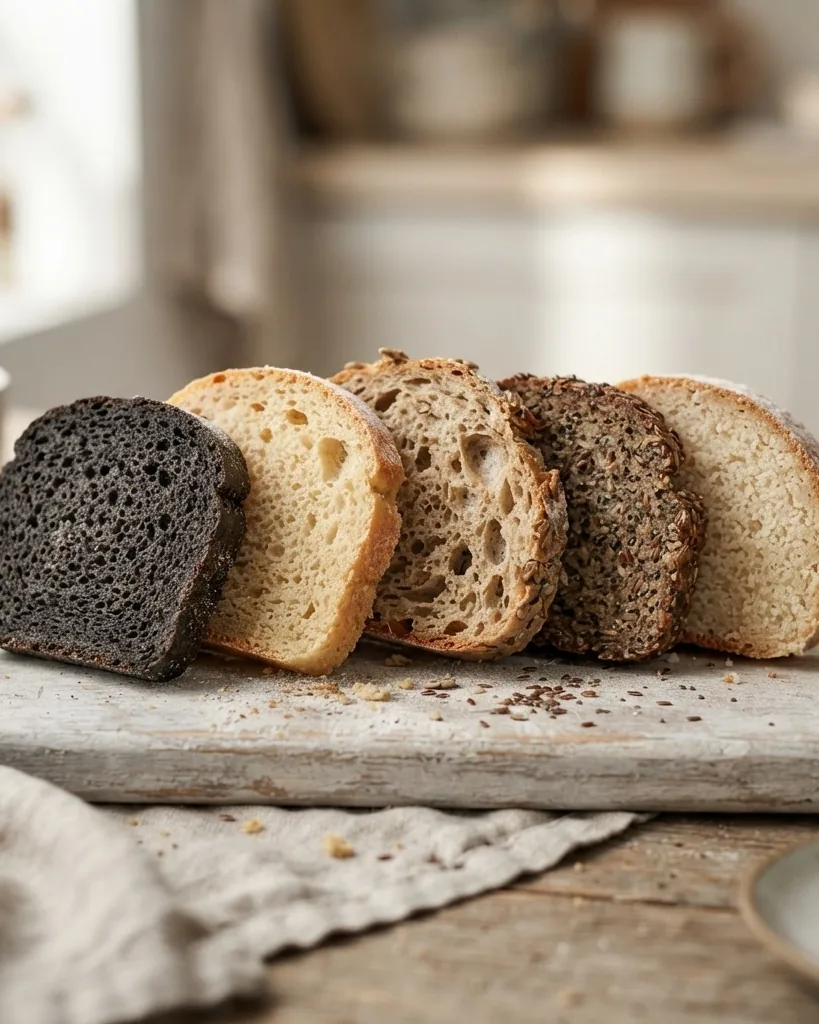
The three keto varieties share nearly identical macros but diverge on crumb and flavor, and that is what should drive your pick. Timber Wolf is the seeded loaf: denser, nuttier, the one most reviewers reach for as an everyday sandwich base. Winter Wolf is the white bread: the softest and most neutral, the natural choice for anyone easing a skeptical household onto low-carb bread. Big Bread Wolf is the sourdough: it carries the tang people miss most when they cut carbs, and it holds up best under a hot pan.
None of the three tastes like a chore. The most repeated compliment is that it is “too good to be keto,” and the most repeated complaint is that stevia leaves it slightly sweet, which reads a touch off in a savory sandwich but disappears in French toast.
| Variety | Style | Texture | Best use |
|---|---|---|---|
| Timber Wolf | Seeded | Dense, nutty | Everyday sandwiches |
| Winter Wolf | White | Softest, neutral | Grilled cheese, kids |
| Big Bread Wolf | Sourdough | Tangy, sturdy | Toasting, croutons |
All three share the same reported quirk under heat: they brown faster than conventional bread, so drop the toaster a setting or two. If you are choosing between varieties for a household that has never tried keto bread before, Winter Wolf is the safest first purchase because the neutral flavor draws the least attention to itself, while Timber Wolf and Big Bread Wolf are better suited to people who already know they want a stronger flavor profile.
Cooking with it: French toast, grilled cheese, croutons, and freezing
The reviews that push Inked keto bread never get past “I ate a sandwich,” which skips the reason a cooking-minded shopper cares at all. This bread earns its price when you push it past cold sandwiches. Because the crumb is sturdy and the sugar content is near zero, it takes an egg custard well, which makes it a genuine keto French toast base. Winter Wolf’s soft white crumb is the pick there; the sourdough is the pick for anything that needs to hold structure.
A few uses that work better than a plain sandwich:
- Grilled cheese: the white loaf’s soft crumb melts into the cheese without going gummy, though you should keep the heat moderate since it browns fast.
- Croutons: cube the sourdough, toss in olive oil, and bake low; the sturdier crumb crisps rather than shatters.
- French toast: the near-zero sugar means you control the sweetness entirely, and the bread does not turn to mush in the custard.
- Blended into batter: stale slices pulse into crumbs for a low-carb breakfast pancake base.
Freezing is worth planning around rather than treating as an afterthought. Because the loaves lack the preservative load of a shelf-stable commercial white bread, they mold faster once opened than most people expect. Slice the loaf if it is not already sliced, separate portions with parchment or wax paper, and freeze what you will not eat within about five days. Toast straight from frozen rather than thawing on the counter, since thawed slices turn slightly gummy before they crisp up in the toaster.
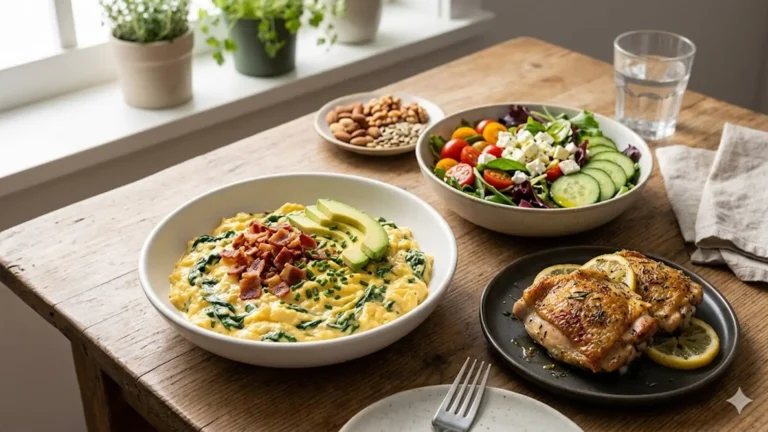
Pair it with a protein-heavy plate and you have a full meal. It sits well next to our fluffy ricotta eggs brunch dish when you want a plate that does not spike the day’s carb count. Whatever the use, remember the one rule every reviewer converges on: toast it lighter than you think, because these loaves scorch a full shade sooner than wheat bread does.
Where to buy Inked keto bread and the real cost per slice
Price is where the brand’s own store looks worst and where a warehouse membership pays off. Buying direct from Inked Bread Co. runs 6 dollars per loaf for the keto line, and the site cheerfully lists that price without ever mentioning the cheaper retail options. Costco is the value play. One shopper in Hawaii logged a Timber Wolf 2-pack purchase, and a widely cited Costco review breaks down the same product’s per-slice cost as notably cheaper than buying direct from the brand.
Here is the buying picture at a glance.
| Where | Format | Price |
|---|---|---|
| Inked Bread Co. site | Single loaf | 6.00 USD |
The takeaway is simple: Costco tends to offer better value than buying direct from the brand, so if there is a Costco near you, that is where the math tips. Walmart carries it by the loaf as a middle option when you cannot commit to a 2-pack, and it suits shoppers who want to try one variety before buying in bulk. Prices at both retailers vary by region and season, so treat the figures above as a working baseline rather than a fixed number, and check the shelf tag or the Costco Business Delivery listing before you plan a bulk purchase around it.
Who should skip it, and the ingredient scrutiny to keep in mind
This loaf is wrong for two groups, and worth a second look for a third. It is built on wheat gluten and wheat protein isolate, so anyone with celiac disease or a wheat allergy has to skip it outright; the certification is for carb count, not gluten. It is also labeled not organic, which matters to shoppers screening for that. And because it is ultra-processed, third-party ingredient graders take a dimmer view of it than the clean macros suggest, which is why the EWG Food Scores listing for Timber Wolf is worth reading before you commit.
For the sourdough’s certification and retail specs, the Costco Business Delivery product page for the Keto Certified Sourdough confirms the 1-gram net carb figure, the Keto Certified seal, and the 16-ounce, 2-count format. Anyone starting keto for a medical reason should clear it with a clinician first, since the diet has real contraindications documented in the clinical literature.
If you are doing keto without meat, the same wheat-based caveats apply, and our guide to staying in ketosis without meat covers how a bread like this fits a plant-leaning plate. People managing blood sugar conditions such as diabetes should also note that while net carbs are low, the loaf still contains wheat protein and modified starch, so anyone monitoring blood glucose closely should test their own response rather than assuming the printed net carb figure tells the whole story for their body.
Frequently asked questions
Is Inked keto bread gluten-free?
No. Inked keto bread is built on wheat gluten and wheat protein isolate, and the ingredient list names wheat starch and wheat fiber as well. It is engineered for low net carbs, not for gluten avoidance. Anyone with celiac disease or a wheat allergy should not eat it, regardless of the Keto Certified seal.
Does it contain sugar alcohols or added sugar?
No. Independent reviews and the product data agree that Inked keto bread carries 0 grams of added sugar and no sugar alcohols per slice. The slight sweetness some tasters notice comes from stevia leaf extract, a plant-derived sweetener, rather than from erythritol, maltitol, or any other sugar alcohol that can upset digestion.
How is it only 1 net carb per slice?
Net carbs equal total carbohydrate minus fiber. One slice has 11 grams of total carbohydrate and 10 grams of fiber per the label, which leaves 1 gram net carb. Modified wheat starch, wheat fiber, and inulin supply most of that fiber, so little of the carbohydrate is actually digested and absorbed.
Is it actually Keto Certified?
Yes. The loaves carry the Paleo Foundation’s Keto Certified seal. That program caps snack products at 6 grams of net carbs per serving, or 8 grams for minimally processed ingredients. At 1 gram per slice, Inked sits far under the threshold, which is stronger proof than an unverified “keto-friendly” claim on the bag.
Where is the cheapest place to buy it?
Costco is the value option. Buying single loaves direct from Inked Bread Co. costs 6 dollars each, so a Costco run beats the brand’s own store on price.
How should I store it to avoid mold?
Keep it in the refrigerator once opened. Shoppers report the loaf molds faster at room temperature than the calcium propionate and sorbic acid preservatives can fully prevent, so cold storage extends its life. For longer keeping, freeze the slices and toast straight from frozen, dropping the toaster a setting since it browns quickly.
Can diabetics eat this bread safely?
The low net carb count makes it a reasonable option for many people managing blood sugar, but it is not a substitute for individual medical guidance. Anyone with diabetes should check their own glucose response after eating it and discuss any bread swap with a doctor or dietitian, since the wheat protein and processing methods differ from a typical low-carb flour substitute.
[req:4249244]
[req:4663370]