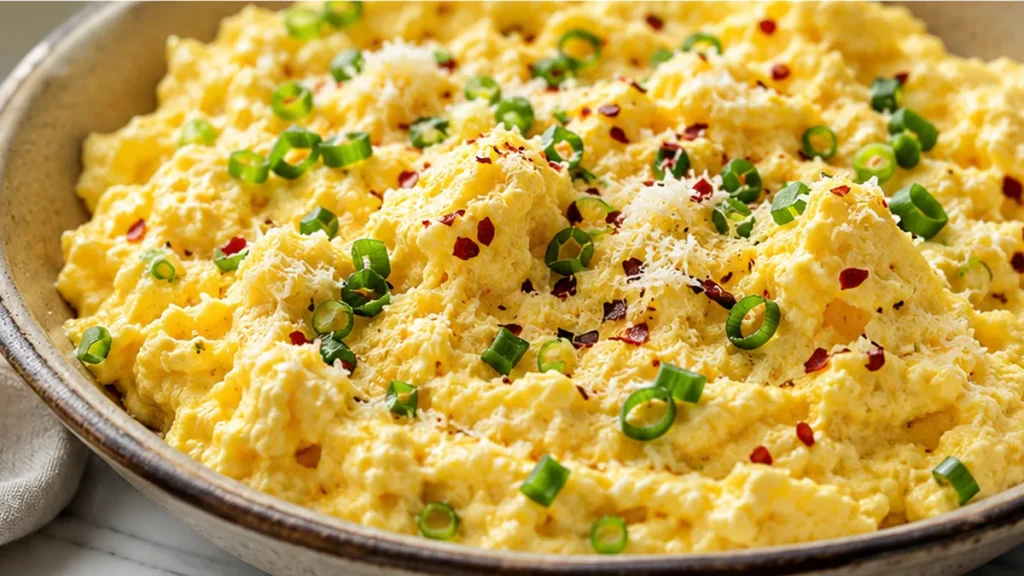
The secret to perfectly fluffy ricotta eggs lies in the gentle combination of creamy ricotta with whisked eggs, transforming an everyday breakfast into a gourmet experience. This simple technique ensures a delicate, airy texture that is far superior to regular scrambled eggs. Ricotta eggs are ideal for anyone looking to improve their morning meal without extensive effort. They cook quickly, making them perfect for busy weekdays, yet feel luxurious enough for a leisurely weekend brunch. The subtle sweetness of ricotta beautifully complements the savory eggs, creating a balanced and satisfying dish.
Key takeaways
- Whisk eggs vigorously to incorporate air for fluffiness.
- Use low to medium heat to prevent rubbery eggs.
- Ensure ricotta is well-blended and not watery.
- Adjust seasoning to enhance flavor.
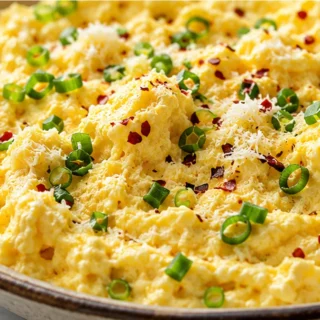
Fluffy Ricotta Eggs: Brunch Perfection!
Ingredients
- 1 tablespoon butter or olive oil
- 6 large eggs, whisked
- 1/3 cup whole milk ricotta cheese
- 2 tablespoons Pecorino cheese (grated Parmesan can be substituted)
- crushed red pepper to taste
- green onions to taste
Instructions
- In a large skillet, heat butter or olive oil over medium heat for 1-2 minutes.
- Add the whisked eggs and ricotta to the skillet. Scramble gently for 3-5 minutes until desired consistency is reached.
- Season with salt and pepper to taste.
- Top with grated Pecorino cheese, a sprinkle of crushed red pepper, and chopped green onions before serving.
Video
Notes
The Technique That Makes It
Fluffy ricotta eggs rely on the delicate balance of heat control and the emulsion of ingredients. When whisking the eggs, incorporating air is essential for achieving fluffiness. The ricotta cheese adds creaminess and moisture, but it must be blended well with the eggs to avoid clumps. Cooking over low to medium heat allows the eggs to set gently, preventing them from becoming rubbery. Stirring continuously helps distribute heat evenly, ensuring that the eggs cook uniformly while retaining their light texture.
Troubleshooting
- If the eggs are rubbery, reduce the cooking temperature and ensure you’re stirring constantly to prevent overcooking.
- For a watery consistency, ensure the ricotta is well-drained before mixing; excess moisture can lead to a soupy texture.
- If the eggs don’t fluff up, whisk them more vigorously to incorporate air and ensure an even mixture with the ricotta.
- If the flavor is bland, consider adding more Pecorino cheese or seasoning with additional salt and crushed red pepper.
Substitutions
- Substitute whole milk ricotta with part-skim ricotta for a lighter dish; expect slightly less creaminess.
- Use feta cheese instead of Pecorino for a tangy flavor; this will alter the overall taste but still provide a creamy texture.
- Replace crushed red pepper with paprika for a milder flavor profile; this will change the heat but maintain a delicious taste.
- Green onions can be swapped with chives for a more subtle onion flavor; this will give a different but pleasant herbal note.
Pro tips
- For the fluffiest texture, avoid over-scrambling; pull the eggs from the heat when they are still slightly wet and allow residual heat to finish cooking. I’ve found that if I cook them until completely dry in the pan, they lose their delicate consistency.
- To ensure food safety, cook eggs until the whites are fully set and the yolks are thickened. For fully cooked eggs, the internal temperature should reach 160°F (71°C).
- Leftover ricotta eggs can be stored in an airtight container in the refrigerator for up to 2 days. Reheat gently in a non-stick skillet over low heat, or microwave briefly, adding a splash of milk to restore moisture.
These ricotta eggs offer a simple yet elegant way to upgrade your breakfast. Experiment with different herbs like chives or parsley, or a dash of hot sauce to personalize your plate. Enjoy this delightful twist on a classic!
Frequently asked questions
Can I use low-fat ricotta instead of whole milk ricotta?
Yes, you can use low-fat ricotta, but the eggs may be slightly less creamy. The texture might also be a bit different, but they will still be delicious.
How do I store leftover fluffy ricotta eggs?
Store any leftovers in an airtight container in the refrigerator for up to 2 days. Reheat gently on the stovetop or microwave, adding a splash of milk to restore creaminess.
Can I add vegetables to the ricotta eggs?
Absolutely! You can fold in sautéed vegetables like spinach, bell peppers, or tomatoes for added flavor and nutrition. Just ensure they are cooked and drained of excess moisture before adding.
What can I serve with fluffy ricotta eggs?
Fluffy ricotta eggs pair well with toasted bread, a fresh salad, or crispy bacon. You can also serve them with avocado for a nutritious brunch option.
More from Keto Breakfasts →