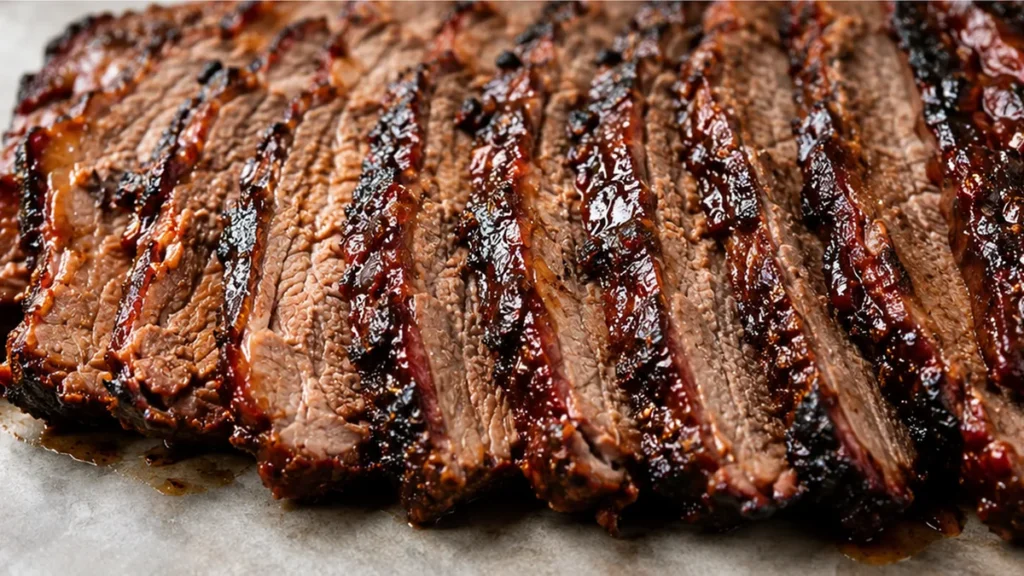
The secret to a truly outstanding beef brisket isn’t just about the cut of meat, but the low and slow cooking method that transforms it into a melt-in-your-mouth experience. This beef brisket recipe emphasizes proper seasoning and careful sealing to lock in moisture and flavor, ensuring every slice is incredibly tender. I recall the first time I attempted to slow-roast a beef brisket, I was worried about it drying out. The key, I found, was really sealing the foil tightly to create a steamy environment. This method ensures the brisket braises in its own juices, resulting in exceptional tenderness. It’s perfect for feeding a crowd or enjoying delicious leftovers.
Key takeaways
- Low and slow cooking is essential for tender brisket.
- Marinating enhances flavor and tenderness.
- Maintaining moisture during cooking prevents dryness.
- Monitor cooking temperature to avoid burning.
Melt-in-Your-Mouth Brisket Recipe
Ingredients
- 5 lb beef brisket
- 2 tbsp Worcestershire sauce
- 2 tsp onion powder
- 1 tsp garlic powder
- Salt and pepper to taste
- 1 (20-oz.) bottle barbecue sauce
Instructions
- Preheat oven to 325 degrees Fahrenheit.
- Prepare a large baking pan with two strips of heavy-duty foil, crisscrossing to fully encase the brisket.
- Place brisket on foil, pour Worcestershire sauce over it, and sprinkle with onion powder, garlic powder, salt, and pepper.
- Seal the brisket tightly within the foil by folding and rolling the edges.
- Bake for 4-5 hours at 325 degrees Fahrenheit, or until fork-tender.
- Drain and reserve 1/2 cup of the brisket juices.
- Carefully transfer the brisket to a carving board.
- Slice brisket against the grain into 1/4-inch pieces.
Video
Notes
The Technique That Makes It
The key to achieving a melt-in-your-mouth beef brisket lies in the low and slow cooking method, which allows for the breakdown of tough connective tissues within the meat. The brisket is composed of collagen, which transforms into gelatin when cooked at low temperatures over an extended period. This process not only tenderizes the meat but also enhances its flavor and moisture. Additionally, the use of Worcestershire sauce introduces umami flavors and helps to marinate the brisket, further enhancing its tenderness. The combination of onion and garlic powders adds depth to the flavor profile, while the barbecue sauce provides a sweet and tangy finish that complements the richness of the beef.
Troubleshooting
- Problem: Brisket is tough and chewy.
Fix: Ensure you are cooking the brisket at a low temperature (around 225°F to 250°F) for a long duration (at least 8-12 hours), allowing the collagen to break down properly. - Problem: Brisket is dry.
Fix: Make sure to keep the brisket properly hydrated during cooking, either by wrapping it in foil or using a water pan in the smoker or oven. - Problem: Lack of flavor.
Fix: Allow the brisket to marinate in Worcestershire sauce and seasonings for several hours or overnight before cooking to enhance flavor absorption. - Problem: Burnt exterior.
Fix: Monitor the cooking temperature closely and consider wrapping the brisket in foil during the final cooking stages to prevent the exterior from becoming overly charred.
Substitutions
- Worcestershire sauce: Use soy sauce for a similar umami flavor, though it may add a saltier taste.
- Onion powder: Fresh minced onions can be used, but they may require longer cooking time to soften.
- Barbecue sauce: Homemade barbecue sauce can be substituted for a personalized flavor profile, allowing for more control over sweetness and spice.
- Garlic powder: Fresh minced garlic can be used for a more robust flavor, but be cautious of burning during cooking.
Pro tips
- For optimal tenderness, ensure your brisket reaches an internal temperature of 195-205°F (90-96°C) at the thickest part. This allows connective tissues to break down completely.
- When carving, always slice against the grain. This shortens the meat fibers, making each bite much more tender.
- Leftover beef brisket can be stored in an airtight container in the refrigerator for up to 3-4 days, or frozen for up to 3 months. Reheat gently in the oven with a splash of reserved juice or broth to prevent drying.
This slow-roasted beef brisket delivers on flavor and tenderness every time. Give it a try for your next family gathering and savor the rich, smoky results!
Frequently asked questions
How long should I cook the brisket?
The brisket should be cooked for at least 8-12 hours at a low temperature, ideally between 225°F to 250°F, to ensure it becomes tender and flavorful.
Can I cook the brisket in a slow cooker?
Yes, you can cook the brisket in a slow cooker. Set it on low for 8-10 hours, ensuring it is well-seasoned and has enough moisture to prevent drying out.
What type of barbecue sauce should I use?
You can use any barbecue sauce you prefer, but a sweeter sauce complements the richness of the brisket well. Homemade sauces allow for customization of flavor.
Should I rest the brisket after cooking?
Yes, resting the brisket for at least 30 minutes after cooking allows the juices to redistribute, resulting in a more flavorful and moist final product.
More from Keto Dinners & Mains →