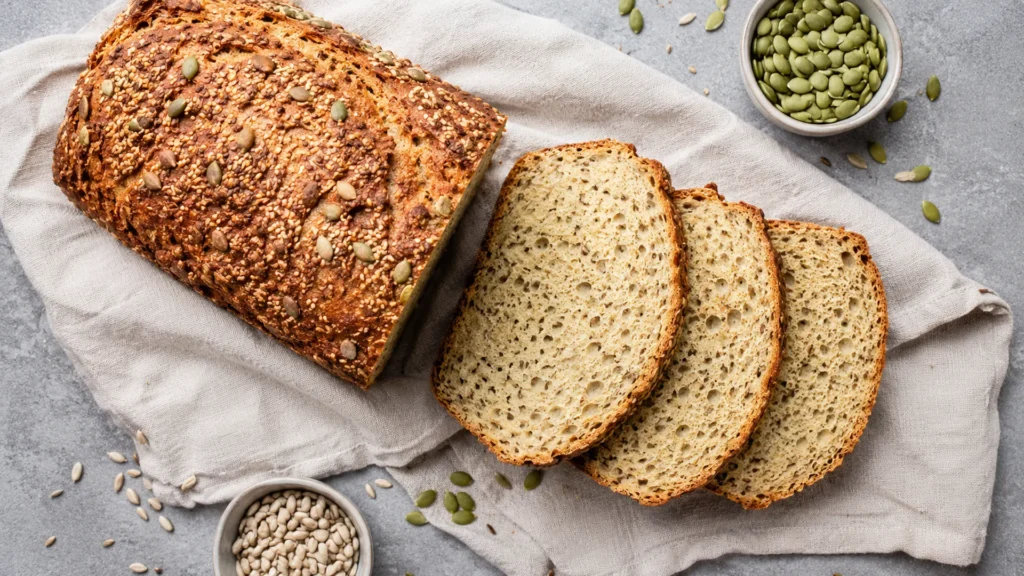
Is keto bread healthy? The honest answer is that it depends on what is actually in the loaf you bought. Keto bread swaps wheat flour for low-carb alternatives like almond flour, coconut flour, and psyllium husk, which drops a slice to a few grams of net carbs instead of the fifteen or twenty in regular bread. Some of these breads are genuinely useful for a low-carb eater. Others are just processed snacks wearing a keto label. The difference shows up on the nutrition panel, not the front of the bag.
None of this is medical advice, and people respond differently. But if you have ever stood in the bread aisle squinting at a keto loaf, unsure whether it is a smart buy or clever marketing, this walks through how to tell, with net carbs counted and the ingredients judged plainly.
What Makes Bread Keto in the First Place
Regular bread is built on wheat flour, which is mostly starch, so a single slice can carry thirteen to twenty grams of carbohydrate. That is most or all of a strict keto carb budget gone on one slice. Keto bread replaces the wheat flour with ingredients that are low in digestible carbohydrate. The most common bases are almond flour and coconut flour, both of which are far lower in net carbs than wheat. Bakers add fiber from psyllium husk or ground flax to create structure and chew, plus eggs and sometimes cheese or cream cheese for binding and richness. The result is a slice that often lands between one and four grams of net carbs.
The reason this matters is the blood sugar response. Wheat starch breaks down quickly into glucose, spiking blood sugar and the insulin that follows, which is exactly what a ketogenic diet is built to avoid. The low-carb flours and high fiber in keto bread blunt that spike dramatically, so a slice barely moves the needle on glucose for most people. That gentler curve is the entire point, and it is why keto bread can be a genuinely useful food for someone watching their blood sugar rather than a gimmick.
One thing worth knowing up front: the word keto is not regulated. A loaf can say keto on the front and still carry more carbs than you expect, or lean on cheap fillers. The front of the package is marketing. The nutrition panel and ingredient list are the truth, so that is where you judge whether a bread is healthy.
Reading the Macros: What a Good Slice Looks Like
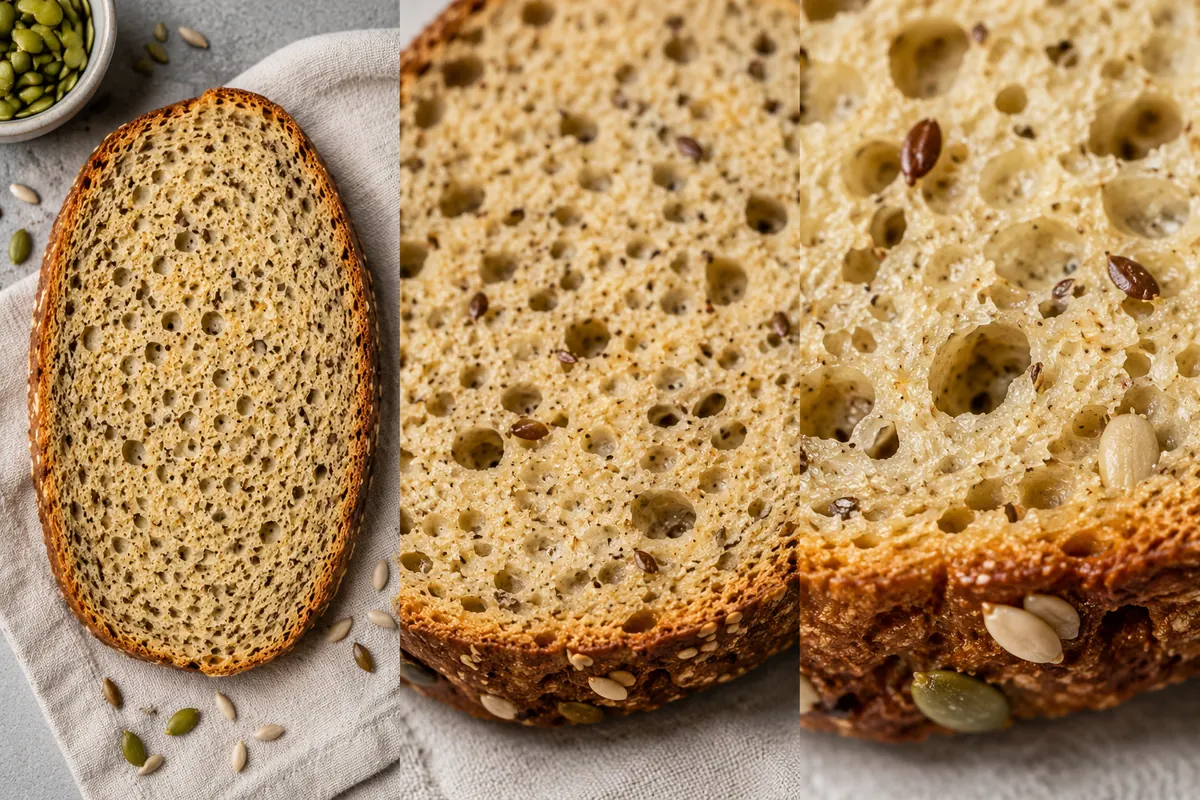
Good keto bread has a fairly recognizable nutrition panel once you know what to look for. The net carbs per slice should sit low, ideally somewhere between one and four grams. You also want real fiber behind that number, usually three to six grams, because fiber is what pulls the net carbs down in the first place and it helps with digestion. Protein tends to run a little higher than ordinary bread, around four to seven grams, since the nut flours and eggs carry it. Added sugar should be at or near zero. When a loaf claims keto but shows ten grams of net carbs per slice, or barely any fiber, that is a sign the low-carb claim leans on a sweetener instead of being built that way from the flour up.
| What to check per slice | Good keto bread | Red flag |
|---|---|---|
| Net carbs | 1-4 g | 8 g or more |
| Fiber | 3-6 g | under 1 g |
| Protein | 4-7 g | very low |
| Added sugar | 0 g | 2 g or more |
The Healthy Side of Keto Bread
For someone following a low-carb diet, a good keto bread has real advantages over standard white or refined-flour bread. It is far lower in sugar and digestible carbohydrate, so it has a much smaller effect on blood glucose and insulin. It is usually higher in fiber, which supports fullness and digestion. It tends to carry more protein and fat per slice, which makes it more satiating, so one slice with a topping actually holds you instead of leaving you hungry an hour later. For people managing blood sugar, that gentler glucose response is the single biggest health argument in favor of keto bread, and it is a genuine one.
There is also a behavioral benefit that does not show up on a nutrition panel. Having a keto bread you trust makes the whole diet easier to sustain. If a slice of toast under eggs, or a sandwich that does not blow your carb budget, is what keeps you on plan for another month, that adherence is worth a lot. A diet only works if you can keep doing it.
The Less Healthy Side and the Trade-Offs
Keto bread is not a health food by default, though, and there is a fair case against it. Set it next to a genuine whole-grain loaf and it usually comes up short on B vitamins, iron, and the broader nutrition that whole grains bring. You are buying a gentler blood sugar response and paying for it with a thinner micronutrient profile. Then there is the processing. A lot of supermarket keto bread carries a long ingredient list full of gums, isolated fibers, and oils that have little to do with whole-food eating. A few brands lean on vital wheat gluten for a more bread-like chew, which keeps carbs down but rules the loaf out for anyone avoiding gluten. Even the fiber that makes keto bread look good on paper can backfire, leaving you bloated or worse if you are not used to it or eat several slices in a sitting.
The fair conclusion is that keto bread sits in the middle of the health spectrum. It is clearly better than refined white bread for a low-carb eater, and clearly more processed than a slice of genuine whole-grain sourdough. It is a useful supplement to a whole-food keto plate, not a nutritional upgrade you should build meals around.
The Common Keto Bread Ingredients, Explained
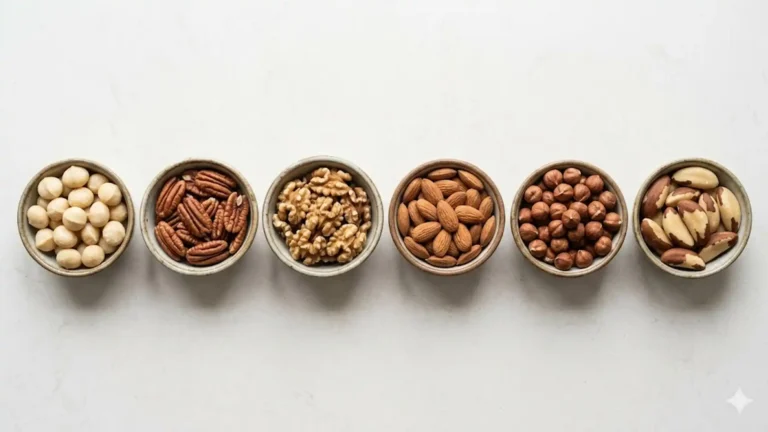
It helps to know what each ingredient is actually doing, because that is how you judge whether a bread is well built or padded with cheap fillers. Almond flour is ground blanched almonds, low in net carbs and high in fat and protein, and it gives keto bread a tender, slightly nutty crumb. Coconut flour is far more absorbent and higher in fiber, so recipes use less of it and add extra eggs or liquid to compensate; it is naturally low in net carbs and adds a soft texture. Psyllium husk is a soluble fiber that absorbs water and forms a gel, which is what gives keto bread its chew and stops it from crumbling. Ground flaxseed adds fiber, omega-3 fats, and structure.
Eggs are the binder and the lift in most keto loaves, holding everything together since there is no wheat gluten to do the job. Some recipes add cheese, cream cheese, or sour cream for moisture and richness. Vital wheat gluten appears in some commercial breads to create a more conventional, stretchy texture at low carb cost, but it is real gluten and unsuitable for anyone avoiding it. Sweeteners, when present, should be erythritol, monk fruit, or allulose rather than maltitol. Once you can read a label and name what each ingredient does, spotting a quality bread versus a filler-heavy one takes about ten seconds.
How to Use Keto Bread Without Overdoing It
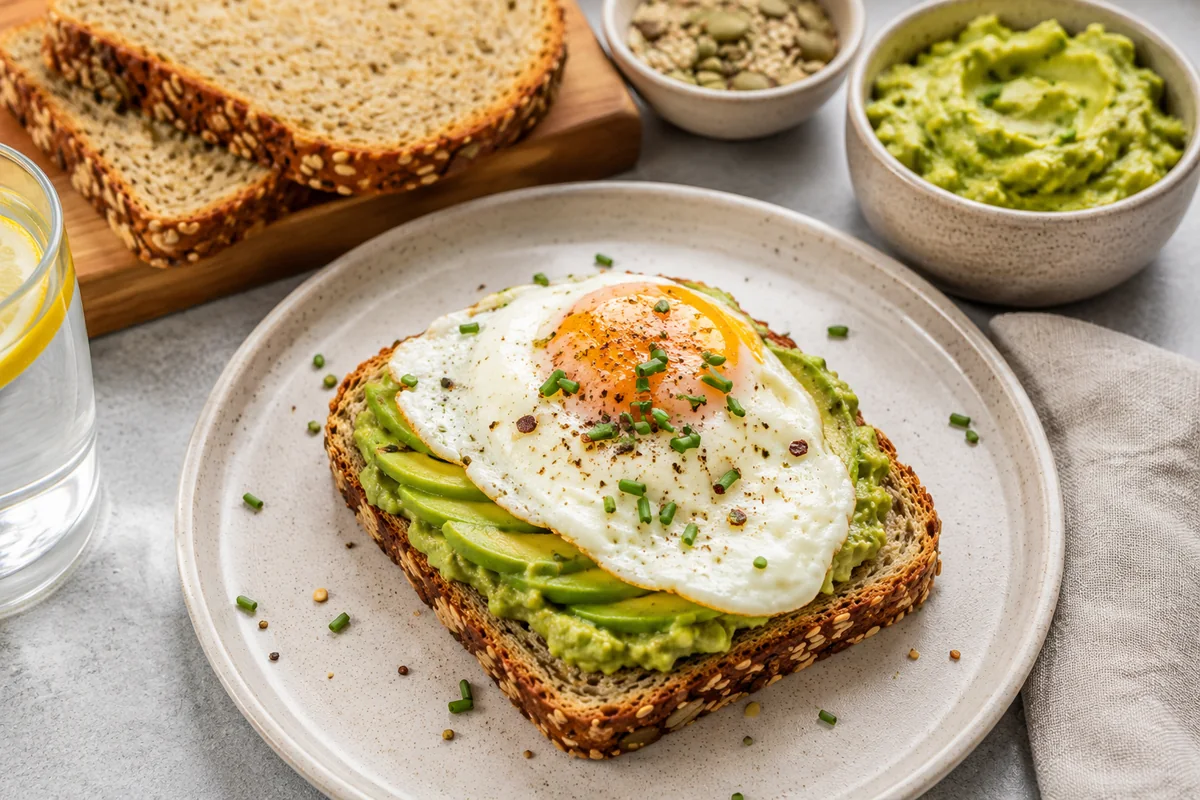
The smartest way to enjoy keto bread is as a vehicle for fat and protein, not as the main event. A single slice toasted under a couple of fried eggs and avocado is a satisfying breakfast that spends only a few grams of carbs on the bread. An open-faced sandwich with one slice instead of two halves your bread carbs and still feels like a real meal. Using keto bread for the occasional sandwich, toast, or to mop up a sauce is exactly where it shines. Where people get into trouble is treating it as unlimited because it says keto on the bag, then eating four or five slices and wondering why progress stalled.
Portion control matters because the calories add up even when the carbs stay low. Nut-flour breads are calorie-dense thanks to all that fat, so two or three slices can carry a meaningful chunk of your daily energy. If weight loss is the goal, keep keto bread to a slice or two a day, build the rest of the plate from whole proteins and low-carb vegetables, and you get the convenience without sabotaging the deficit that drives fat loss.
Store-Bought Versus Homemade
Homemade keto bread gives you control that no package can match. When you bake it, you choose the flours, you skip the gums and preservatives, and you know exactly what is in every slice. A simple almond-flour loaf needs little more than almond flour, eggs, baking powder, a fat like butter or olive oil, and salt, with psyllium husk or a bit of coconut flour for structure. That is a short, recognizable ingredient list, which is the hallmark of a less processed food.
Store-bought keto bread wins on convenience and consistency, and some brands are genuinely well formulated. The skill is reading the label using the targets above: low net carbs, real fiber, no added sugar, and an ingredient list you can mostly pronounce. If a loaf passes those checks, it is a reasonable choice. If it is loaded with maltitol, cheap oils, and a dozen additives, you are better off baking your own or skipping bread for that meal.
Cost is the other practical difference. Commercial keto breads are expensive, often two or three times the price of ordinary bread, because nut flours and specialty fibers are not cheap. Baking at home brings the per-loaf cost down and lets you make a larger batch, slice it, and freeze it so you always have a slice ready to toast. Freezing also solves the short shelf life that many fresh keto breads have, since without preservatives they can go stale or moldy faster than supermarket bread. A baked, sliced, frozen loaf is the most economical and reliable way to keep good keto bread on hand. Toast slices straight from the freezer and they come out close to fresh, which makes a homemade loaf just as convenient as anything in a package once you have the routine down.
If you do buy, treat the first loaf of any brand as a test. Eat a slice, check how it sits with your digestion, and if you track glucose, see how your blood sugar responds an hour later. People react differently to the fibers and sweeteners used in commercial keto bread, so the only way to know whether a particular brand is a good fit for you is to try one slice and pay attention rather than assuming the label tells the whole story.
How Keto Bread Fits Your Daily Carbs
Even good keto bread is not a free food. If a slice is three grams of net carbs and your daily ceiling is twenty, two slices for a sandwich spend nearly a third of your budget on bread alone. That can be a smart trade if the sandwich keeps you satisfied and on plan, but it has to fit your numbers for the day. Treat keto bread the way you treat any other carb-containing food: count it, fit it into your total, and make sure the rest of the day leaves room. If you are still working out your daily ceiling, our guide on how many carbs a day on keto shows how to set it, and our breakdown of how to get fiber on keto explains why the fiber in good keto bread matters for both digestion and net carb math.
Choosing a Keto Bread Worth Eating
So what does a good loaf actually look like at the shelf? Aim for four grams of net carbs or fewer per slice, with at least three grams of fiber and little to no added sugar, and protein coming from nut flour or eggs rather than fillers. If a bread is sweetened at all, monk fruit, erythritol, or allulose beat maltitol, which can spike blood sugar and wreck your gut. Shorter ingredient lists are usually the better sign. Past that, keep the role of the bread in perspective. Even a great keto loaf is a sometimes food sitting next to whole proteins and vegetables, not the base of the meal. Hold it to that standard and the original question more or less answers itself: a well-chosen bread is a handy tool, and a badly chosen one is a processed snack with keto printed on the wrapper. For baking inspiration and technique, food authorities like America’s Test Kitchen are useful for understanding what gives bread structure, and Bon Appetit covers alternative-flour baking that adapts well to low-carb loaves.
Frequently Asked Questions
Is keto bread good for weight loss?
It can help, indirectly. Keto bread itself does not burn fat, but if a low-carb bread keeps you in ketosis and stops you from reaching for high-carb bread, it supports the eating pattern that drives weight loss. The key is fitting it into your daily carb and calorie totals rather than treating it as unlimited.
Will keto bread kick me out of ketosis?
A genuine keto bread at one to four grams of net carbs per slice will not, as long as it fits your daily ceiling. The risk is breads that claim keto but actually carry eight or more grams per slice, or eating several slices on top of an already carb-heavy day. Count it like any other carb.
Is keto bread healthier than whole-grain bread?
It depends on what you mean by healthier. For blood sugar and net carbs, keto bread wins clearly. For micronutrients and being less processed, traditional whole-grain bread often wins. For a person eating low-carb, keto bread is the better fit; for someone not limiting carbs, whole-grain bread brings more nutrients.
What is the healthiest flour for keto bread?
Almond flour and coconut flour are the standard healthy bases, both low in net carbs and rich in fat or fiber. Ground flax and psyllium husk add fiber and structure. Avoid breads that lean heavily on isolated fibers and gums with little real food behind them.
Can diabetics eat keto bread?
Many people with diabetes choose keto bread specifically because of its lower glucose impact, but blood sugar response is individual. Check the net carbs, watch the portion, and monitor your own glucose to see how a given bread affects you. Talk to your doctor or dietitian before making it a regular part of your plan.
Why does keto bread sometimes upset my stomach?
The high fiber from psyllium and flax, plus sugar alcohols like maltitol in some brands, can cause gas, bloating, or loose stools, especially if you eat several slices or are not used to the fiber. Start with one slice, drink water, and choose breads that avoid maltitol to reduce the problem.
Does keto bread have gluten?
Most almond-flour and coconut-flour keto breads are naturally gluten-free, which is part of their appeal. But some commercial keto breads add vital wheat gluten to improve texture and keep carbs low, and that ingredient is real gluten. If you are gluten-sensitive or celiac, read the label carefully and choose a bread built only on nut flours, seeds, and fiber.
How many net carbs are in a slice of keto bread?
A genuine keto bread runs about one to four grams of net carbs per slice, thanks to low-carb flours and added fiber that lowers the net count. Anything claiming keto at eight or more grams per slice is borderline at best. Always confirm the number on the panel rather than trusting the front of the package.