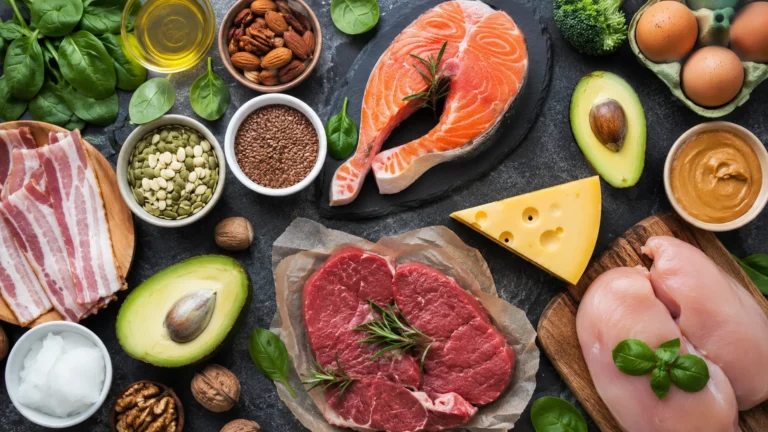

This is a keto site. So when someone types “why keto diet is bad” into a search bar, the last thing they expect is for a keto specialist to take the question seriously. But the honest downsides are better heard from someone who tracks the macro math closely than from either the influencers who pretend keto has no costs or the headlines that treat it as poison. Keto is a powerful tool with real drawbacks, and most of the harm comes from people doing it badly while believing they are doing it perfectly. This article lays out the genuine risks, who should never attempt it, and the difference between a downside you can manage and one you cannot.
My goal is to give you the clear-eyed version: where the criticism is fair, where it is overblown, and how the same diet can be a sensible choice for one person and a genuinely bad idea for another. If you read this and decide keto is not for you, that is a completely valid outcome. Knowing the risks before you start is the whole point.
The Risks That Are Real and Worth Taking Seriously
Start where the critics are right, because some of the concerns are legitimate and pretending otherwise would be dishonest. The table below summarizes the main risks, how serious each one is, and whether it is something you can manage or something that should stop you.
| Risk | How serious | Manageable? |
|---|---|---|
| Keto flu / electrolyte crash | Mild, short-term | Yes – replace sodium, potassium, magnesium |
| Raised LDL cholesterol | Serious for some | Partly – favor unsaturated fats, monitor bloodwork |
| Low fiber / constipation | Moderate | Yes – eat low-carb high-fiber vegetables and seeds |
| Nutrient deficiencies | Moderate | Yes – vary diet, supplement thoughtfully |
| Hard to sustain | Common cause of failure | Depends on the person |
| Unsafe with certain conditions | Severe | No – avoid keto or require medical supervision |
The Keto Flu and Electrolyte Crashes
Before getting into the individual risks, it is worth naming why keto provokes such strong reactions in the first place. It is a genuinely radical change to how the body fuels itself, switching the primary energy source from glucose to fat and ketones, and any change that sweeping is going to have real physiological consequences, some helpful and some not. That is also why blanket verdicts, whether glowing or damning, tend to be wrong: the same metabolic shift that helps one person lose stubborn weight or steady their blood sugar can stress another person’s lipids or trigger disordered patterns. The risks below are not reasons to never do keto, nor proof that it is safe; they are the specific things to watch, manage, or avoid depending on who you are.
The first thing keto does to a lot of people is make them feel awful. As your body burns through stored carbohydrate, it sheds water and the electrolytes dissolved in it, and the result is the cluster of headaches, fatigue, dizziness, nausea, and brain fog known as the keto flu. This is real, it is common, and it scares people off in the first week. The good news is that it is also the most manageable risk on this list: it is an electrolyte problem, not a sign of damage, and replacing sodium, potassium, and magnesium usually resolves it within days. The full fix is in the guide to the keto flu, but the headline is that this downside is temporary and preventable.
Cholesterol and Heart Health
This is the concern that deserves the most attention. A ketogenic diet, especially one built on heavy saturated fat, can raise LDL cholesterol, the so-called “bad” cholesterol linked to cardiovascular risk. Not everyone responds this way, and some people see improvements in triglycerides and HDL, but a meaningful subset of people are “hyper-responders” whose LDL climbs sharply. This is not something to wave away, and it is the reason Harvard Health describes keto as a medical diet that carries serious risks rather than a casual weight-loss experiment. If you do keto, you should know your baseline lipid numbers and recheck them, and you should build the diet around unsaturated fats like olive oil, avocado, nuts, and fatty fish rather than treating it as a license to eat butter and bacon at every meal. The animal-heavy version of low-carb eating has been associated in some research with higher mortality, while plant-leaning versions look more protective.
Fiber, Digestion, and the Gut
Cutting carbs hard usually means cutting fiber, and the constipation that follows is one of the most common complaints, affecting a large share of people who try the diet. Low fiber over time can also shift the gut microbiome in unhelpful directions. This one is manageable but only if you are deliberate about it: low-carb, high-fiber foods exist, and most people simply do not eat enough of them. Leaning on keto friendly vegetables like leafy greens, broccoli, and avocado, plus seeds and psyllium, closes most of the gap. Ignore fiber and this becomes a daily misery; plan for it and it largely disappears.
Nutrient Deficiencies
By cutting out whole grains, most fruit, legumes, and starchy vegetables, keto removes foods that supply important vitamins and minerals. Calcium, magnesium, vitamin D, potassium, and certain B vitamins can all run low if you are careless. Guidelines for medically supervised keto often recommend supplementing several of these. This is a manageable risk for someone who eats a varied, vegetable-forward version of keto and supplements thoughtfully, and a real problem for someone who lives on meat, cheese, and not much else.
The Risks That Are Often Overblown
Now the other side, because fairness cuts both ways. Some of the scariest-sounding keto criticisms are exaggerated or apply only to specific groups.
The protein and “gluconeogenesis will give you diabetes” panic is mostly myth for healthy people. So is the blanket claim that keto destroys your metabolism; the metabolic slowdown people fear is largely a function of eating too little protein and losing muscle, which is avoidable. “Ketosis is the same as ketoacidosis” is a genuine confusion, not a real risk: nutritional ketosis is a normal, safe metabolic state, while diabetic ketoacidosis is a dangerous medical emergency that occurs almost exclusively in people with type 1 diabetes whose insulin is absent. The two are not the same thing despite the similar names. And the idea that any amount of dietary fat or red meat is automatically deadly oversimplifies a genuinely contested area of nutrition science. The honest position is that these risks are real for specific people in specific contexts, not universal hazards.
Who Should Not Do Keto at All

This is the part that matters most, because for some people the answer to “is keto bad” is simply yes. Keto is contraindicated, meaning you should not do it, if you have type 1 diabetes or are on certain diabetes medications without close medical supervision, because of the risk of dangerously low blood sugar and, with some drugs, ketoacidosis. People taking SGLT2 inhibitor medications are specifically at elevated risk. It is also not appropriate during pregnancy, for people with a history of pancreatitis, liver failure, certain rare metabolic disorders affecting fat metabolism, or active eating disorders, because the rigid tracking keto demands can feed disordered patterns. If you have kidney disease, the extra acid load and protein require medical input. None of this is hypothetical fine print. For these groups, keto can cause real harm, and “talk to your doctor first” is not a disclaimer; it is the actual instruction.
The Sustainability Problem
Even for people with no medical reason to avoid keto, there is a softer risk that derails the most attempts: it is hard to stick to. Keto asks you to give up bread, pasta, most fruit, sweets, and a long list of everyday foods, indefinitely. Adherence rates fall over time, and a diet you cannot maintain delivers its worst possible outcome, which is the weight-cycling pattern where the pounds come back, sometimes with interest, once you stop. A diet only works while you are on it, and the strictness that makes keto effective in the short term is exactly what makes it fragile in the long term for a lot of people.
The weight-cycling that follows abandoned diets is not a minor footnote either. Repeatedly losing and regaining weight is itself associated with metabolic and cardiovascular stress, which means a diet you cannot sustain can leave you worse off than if you had never started it, simply through the rebound. That is the cruel irony of the strictest plans: the very rigidity that produces fast early results is what makes the rebound more likely, and the rebound can erase the benefit. A diet has to be evaluated not only on what it does while you follow it perfectly but on what realistically happens over a year or two, including the weeks you slip, the holidays, the travel, and the ordinary life that no eating plan survives unscathed. Keto scores well on the first measure and, for many people, poorly on the second.
This is worth being honest with yourself about before you start. If the idea of never eating pasta or a sandwich again fills you with dread, a less restrictive approach you can actually sustain may serve you better than a perfect keto plan you abandon in eight weeks. There is no medal for doing the strictest diet; there is only what you can keep doing, which is why clinicians at Northwestern Medicine often point people toward a more balanced, sustainable pattern instead. Some people find a middle path, keeping carbs moderate rather than ultra-low and reintroducing things like a bowl of healthy pasta or keeping a stash of lower-carb gluten-free snacks on hand, lands somewhere more livable than textbook keto.
How to Make Keto Less Bad if You Do It Anyway
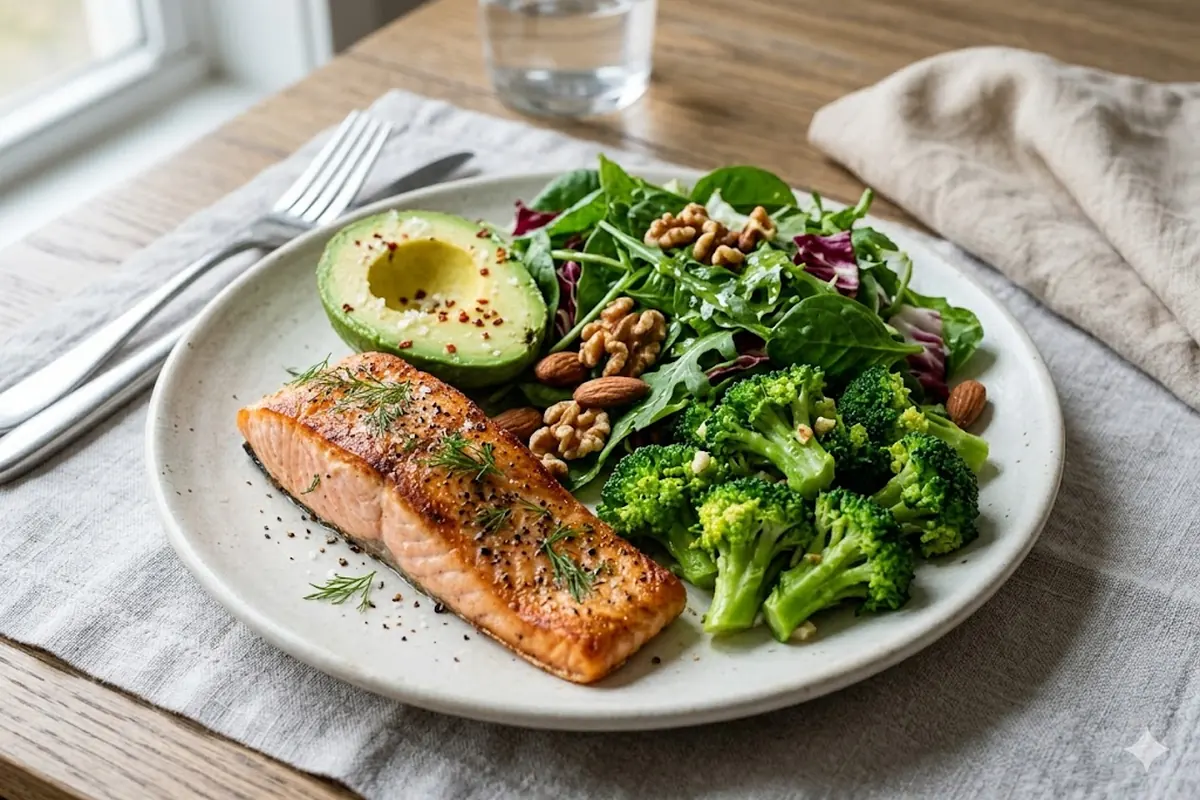
Suppose you have weighed the risks, none of the contraindications apply to you, and you still want to try keto. The difference between the harmful version and the reasonable version comes down to a handful of deliberate choices, and they map directly onto the risks above. Build your fat around unsaturated sources, olive oil, avocado, nuts, seeds, and fatty fish, and keep saturated fat moderate rather than treating bacon and butter as the whole diet; this is the single biggest lever on the cholesterol risk. Have your lipids checked before you start and again after a couple of months, because you cannot manage a number you never measured, and the small minority who are hyper-responders need to know early.
Eat your vegetables relentlessly. The fiber and micronutrient risks are almost entirely a function of people treating keto as a meat-and-cheese diet, when a vegetable-forward version closes most of the gaps. Pile on leafy greens, broccoli, cauliflower, and avocado, add seeds and a psyllium supplement if constipation sets in, and consider a multivitamin to cover calcium, magnesium, and vitamin D. Salt your food and replace electrolytes proactively from day one to head off the keto flu before it starts. And eat enough protein, because under-eating it is what drives the muscle loss and metabolic slowdown people wrongly blame on the diet itself. None of this turns keto into a risk-free plan, but it moves you from the careless version that earns the bad headlines to the deliberate version that a healthy adult can run sensibly.
The Question Behind the Question
When people search “why keto diet is bad,” they are usually really asking one of two different things. Some are looking for permission to stop, having found keto miserable or unsustainable, and for them the honest answer is that a diet you hate and cannot maintain is genuinely a bad diet for you, regardless of its metabolic merits; a more moderate, livable approach will almost always beat a perfect plan you abandon. Others are doing their due diligence before starting, and for them the answer is that keto carries real but mostly manageable risks for a healthy person, plus a few hard contraindications that are non-negotiable. Figuring out which question you are actually asking is more useful than any blanket verdict, because “is keto bad” has no single answer; it has an answer for you, specifically, based on your health, your goals, and whether you can actually live with it.
So, Is Keto Bad?
The honest answer is that keto is neither good nor bad in the abstract. It is bad for specific people (those with the medical conditions above), bad when done carelessly (saturated-fat-heavy, fiber-poor, protein-skimping, no bloodwork), and bad when forced onto someone who cannot sustain it. It can be a reasonable, effective tool for a healthy person who does it deliberately, eats their vegetables, favors unsaturated fats, monitors their lipids, and finds it sustainable enough to maintain. The diet did not earn its bad reputation from nowhere, but most of that reputation comes from the bad versions of it. Know which group you are in before you decide, and if any of the contraindications above apply to you, the safest version of keto is the one you do not start without a doctor.
Frequently Asked Questions
What are the main dangers of the keto diet?
The most serious real risks are raised LDL cholesterol and potential heart-health effects, especially on a saturated-fat-heavy version; nutrient deficiencies in calcium, magnesium, vitamin D, potassium, and B vitamins; low fiber leading to constipation and gut changes; and the short-term keto flu from electrolyte loss. Most of these are manageable with a vegetable-forward, unsaturated-fat approach and bloodwork monitoring. The genuinely dangerous scenarios involve people with specific medical conditions who should not attempt keto without supervision.
Who should not do the keto diet?
Keto is contraindicated for people with type 1 diabetes or those on certain diabetes medications (especially SGLT2 inhibitors) without close medical supervision, during pregnancy, and for people with a history of pancreatitis, liver failure, certain rare fat-metabolism disorders, or active eating disorders. People with kidney disease need medical input because of the added acid and protein load. For these groups, keto can cause real harm, so a doctor’s guidance is a requirement, not a suggestion.
Is ketosis the same as ketoacidosis?
No, and confusing the two causes a lot of unnecessary fear. Nutritional ketosis is a normal, safe metabolic state where the body burns fat for fuel and produces moderate ketone levels. Diabetic ketoacidosis is a dangerous medical emergency with extremely high ketone and blood-sugar levels, occurring almost exclusively in people with type 1 diabetes who lack insulin. The names are similar, but they are entirely different conditions. A healthy person on keto is in ketosis, not ketoacidosis.
Why is keto so hard to maintain long term?
Keto requires giving up bread, pasta, most fruit, sweets, and many everyday foods indefinitely, and that strictness is what makes adherence drop over time. A diet only works while you follow it, so abandoning keto and returning to old eating habits often brings the weight back, sometimes exceeding the original loss. This weight-cycling is one of the diet’s real downsides. For many people, a less restrictive approach they can sustain delivers better long-term results than a strict plan they quit within a couple of months.