Good news for anyone with a sweet tooth: chocolate in keto is absolutely possible, as long as you choose the right kind. The key is sugar. High-cacao dark chocolate and sugar-free chocolate are low enough in carbs to fit a ketogenic diet, while milk chocolate and most candy bars have far too much sugar to keep you in ketosis. This guide breaks down the net carbs by cacao percentage, the best keto-friendly chocolate, how much you can eat, and the ingredients to watch out for.
Once you know what to look for on the label, chocolate becomes one of the easiest and most satisfying treats to keep in your keto routine.
Is Chocolate Keto-Friendly?
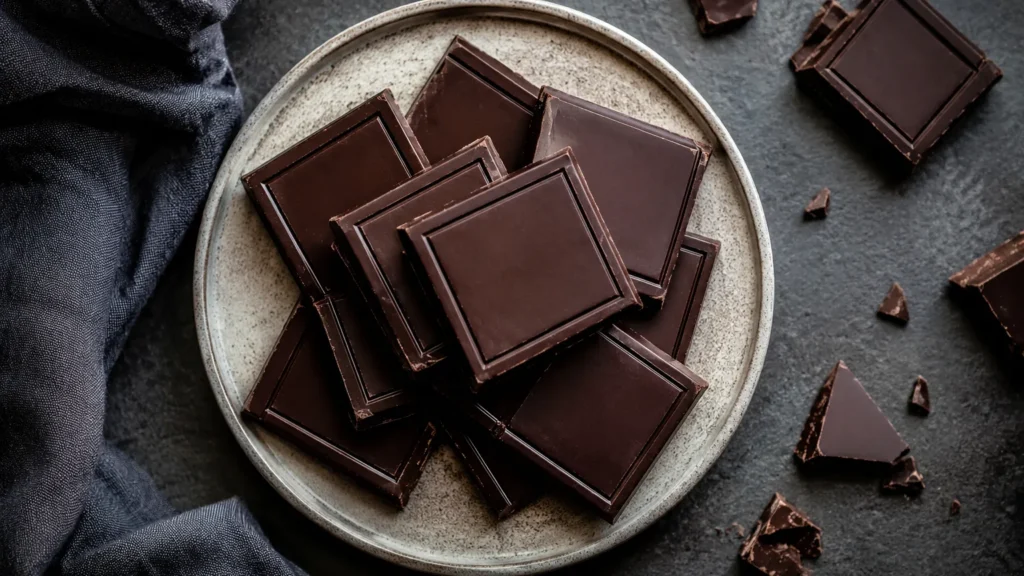
It depends entirely on the type. Chocolate is made from cacao, which is naturally low in carbs, plus sugar, which is not. The more cacao a bar contains, the less room there is for sugar, so high-percentage dark is far lower in carbs than milk chocolate. As a rule, dark chocolate of at least 70% cocoa can fit keto in small amounts, and 85% or higher is ideal. Sugar-free bars sweetened with stevia, monk fruit, or erythritol can also work beautifully. Milk chocolate, white chocolate, and filled candy bars, on the other hand, are loaded with sugar and do not belong on a keto plan.
Net Carbs by Cacao Percentage
The single most useful thing to understand is how cacao percentage changes the carb count. The relationship is inverse: as the cocoa content goes up, the net carbs come down. Here is the breakdown per 1 oz (about 28 g) serving.
| Type of chocolate | Net carbs (per 1 oz) |
|---|---|
| 100% baking chocolate | About 3 g |
| 90% dark | About 3 to 4 g |
| 85% dark | About 4 to 6 g |
| 70% dark | About 7 to 9 g |
| Milk chocolate | 15 g or more |
On a keto diet, where total carbs are usually capped at 20 to 50 g per day, you can see why the percentage matters so much. A single ounce of 70% chocolate could use up nearly half a strict daily allowance, while the same amount of 90% barely makes a dent. You can confirm the exact carb figures for any bar using the USDA FoodData Central database, which lists nutrition data for chocolate of every type.
The 85% Rule
If you want a simple guideline, aim for chocolate that is at least 85% cocoa. At that level, a normal serving fits comfortably into most keto carb budgets, and the intense, less-sweet flavor is genuinely satisfying in small amounts, which naturally helps with portion control. Seventy percent dark chocolate can still work if you keep the serving tiny and account for the carbs, but it is easy to overshoot. Moving up to 85% or 90% gives you more room to enjoy a couple of squares without worrying. If very dark chocolate tastes too bitter at first, your palate usually adjusts within a week or two of cutting back on sugar.
Sugar-Free and Keto Chocolate Brands
Beyond high-cacao bars, a whole category of sugar-free chocolate is made specifically for low-carb eaters. These bars use sweeteners that do not spike blood sugar, so they taste sweeter than 90% dark while staying keto. Popular options include:
- Lily’s: sweetened with stevia and erythritol, around 2 to 3 g net carbs per serving.
- ChocZero: sweetened with monk fruit and free of sugar alcohols, about 2 g net carbs.
- Lindt 90% and 85%: widely available regular dark chocolate that works well on keto.
- Alter Eco Deep Dark Blackout 85%: a clean-ingredient bar with around 6 g net carbs.
These give you variety beyond plain dark bars, and several are easy to find at regular grocery stores or online.
Watch Out for These Ingredients
Not all “sugar-free” or “dark” chocolate is automatically keto, so the label matters. Keep an eye on a few things. Maltitol, a common sugar alcohol, can raise blood sugar and should be avoided, whereas erythritol, monk fruit, and stevia have little to no impact, a distinction the CDC’s guidance on healthy eating and blood sugar reinforces. The word “dark” alone is not a guarantee, since some dark bars still contain a lot of added sugar, so check the actual sugar grams.
Finally, fillings like caramel, cookie pieces, or dried fruit add sugar quickly, so plain bars are the safest bet. Reading the net carbs and the sweetener type takes a few seconds and prevents a surprise that could knock you out of ketosis.
How Much Chocolate Can You Eat on Keto?
Portion is where many people go wrong, because even keto-friendly options are not unlimited. A reasonable serving is about 1 to 1.5 oz per day, roughly a few squares, depending on your daily carb allowance and the specific bar. With very dark or sugar-free chocolate, that fits easily; with 70% chocolate, you may want less. The dense, rich flavor of high-cacao chocolate helps here, since a little goes a long way and tends to satisfy a craving faster than sweeter options. Treat it as a small daily indulgence rather than a snack you graze on, and it will fit your macros without trouble.
Using Chocolate in Keto Baking
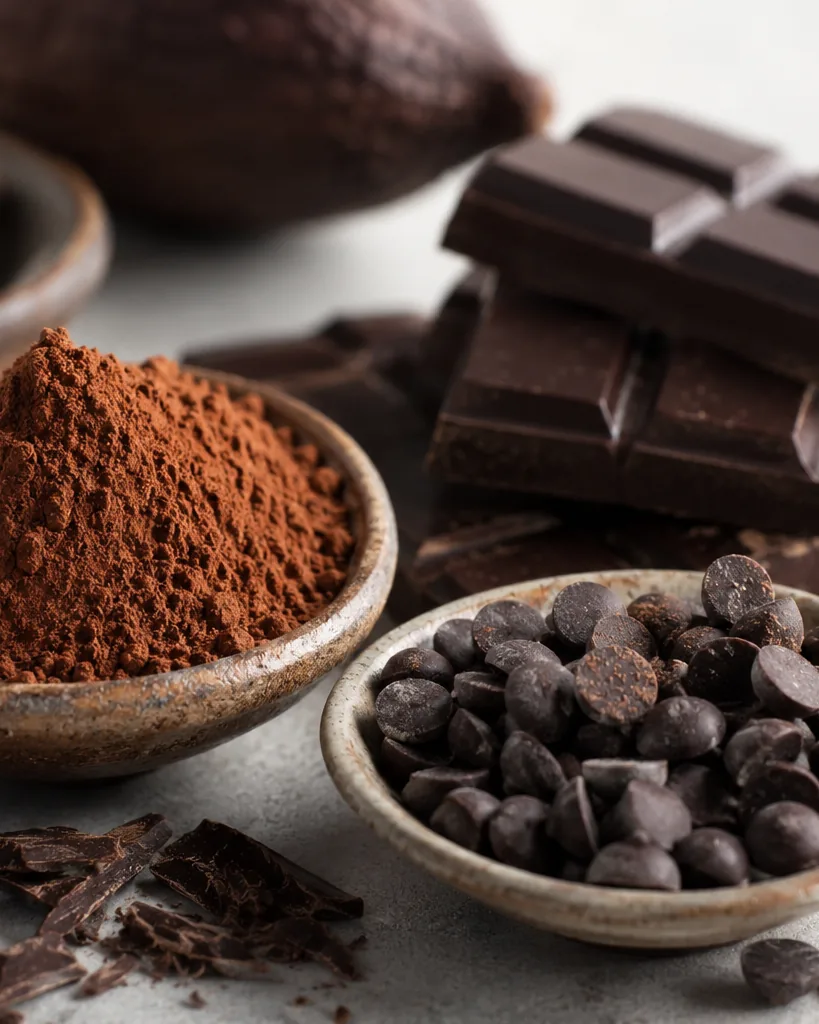
Chocolate is not just for snacking on keto; it is a workhorse in low-carb baking too. Unsweetened 100% baking chocolate and cocoa powder are naturally very low in carbs and perfect for keto brownies, mug cakes, and fat bombs, where you add your own keto sweetener. Sugar-free chocolate chips, sweetened with stevia or monk fruit, melt and bake much like regular chips in cookies and bark. Pairing chocolate with high-fat ingredients like nuts, coconut, or cream also slows down how it affects you and makes for a more filling treat. For more ideas, see our guide to keto-friendly snacks, and our full keto food list shows where chocolate fits among other low-carb options.
Why Milk Chocolate Doesn’t Fit Keto
It helps to understand why the everyday chocolate bar is off the table. Milk chocolate is made with a high proportion of sugar and milk solids and only a small amount of cacao, often 30% or less. That low cacao content leaves room for a lot of sugar, which is why a single ounce can carry 15 g or more of net carbs, sometimes a third or more of a strict daily keto allowance in one small piece.
White chocolate is even worse for keto, since it contains no cacao solids at all and is essentially sugar, cocoa butter, and milk. The takeaway is simple: the sweeter and creamier the bar, the more sugar it hides, and the less it belongs on a low-carb plan. Saving these for rare occasions, if at all, is the safest approach.
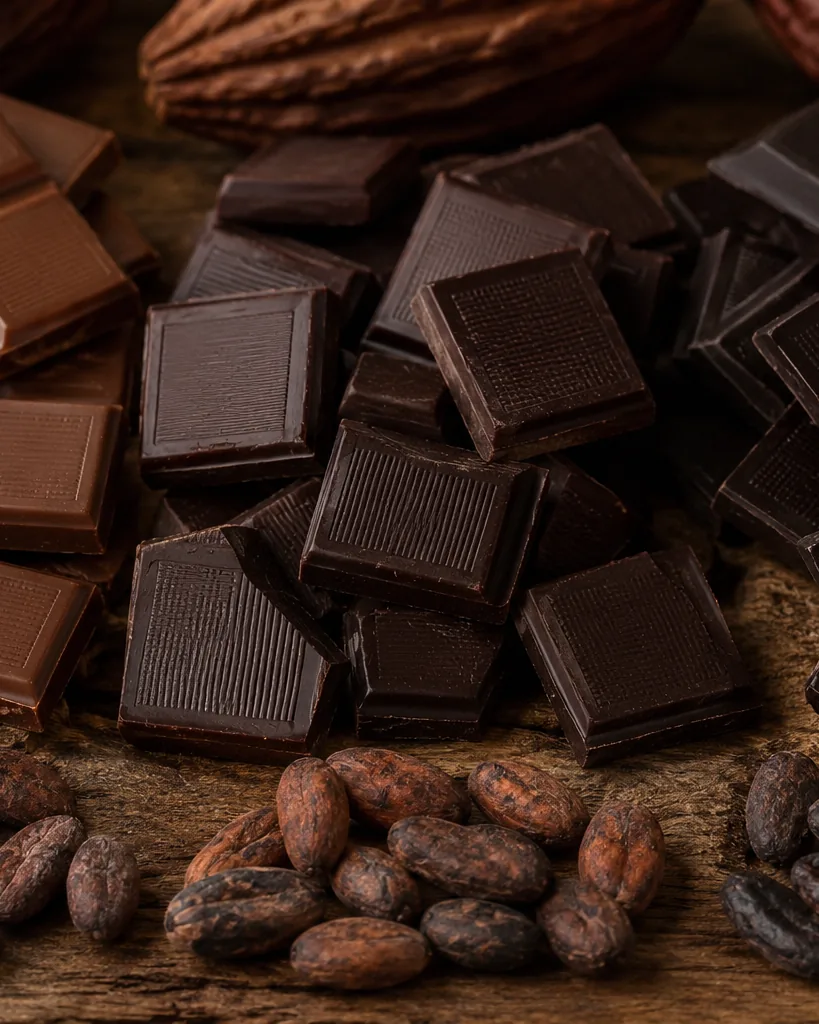
Health Perks of Dark Chocolate
Beyond simply being allowed, quality dark chocolate brings some genuine benefits that make it a smart keto treat. It is rich in flavanols, plant antioxidants linked to heart and circulatory health, and it supplies minerals like magnesium and iron. Because high-cacao bars are low in sugar and high in fat, they fit the keto macro profile naturally and can help curb sweet cravings without derailing ketosis. None of this turns chocolate into health food, and portion still matters, but it does mean a square or two of very dark chocolate is one of the more nutritious ways to satisfy a sweet tooth on keto. Choosing minimally processed bars with short ingredient lists gets you the most of these perks.
Cocoa Powder and Cacao Nibs
Two underrated keto staples deserve a mention. Unsweetened cocoa powder is almost pure cacao, very low in net carbs, and endlessly useful: stir it into coffee, smoothies, yogurt, or fat bombs, or bake with it. Cacao nibs, which are crushed bits of roasted cacao beans, are unsweetened and crunchy, with very little sugar, making them a great topping for keto yogurt or a mix-in for low-carb trail mix. Both let you add deep chocolate flavor to recipes while keeping carbs minimal, and they avoid the added sugar that sneaks into many bars. Keeping a tin of cocoa powder and a bag of nibs on hand makes it easy to get a chocolate fix without reaching for a sweetened product.
Common Mistakes to Avoid
Even with the right product, a few slip-ups can knock you out of ketosis:
- Trusting “dark” on the front: always check the percentage and the sugar grams on the back.
- Ignoring sugar alcohols: maltitol counts toward carbs and can spike blood sugar.
- Overeating sugar-free bars: low-carb does not mean unlimited, and too much can cause digestive upset.
- Forgetting fillings: caramel, fruit, and cookie centers add sugar fast.
- Not counting it: even keto chocolate has carbs, so log it against your daily total.
Avoid these and chocolate stays a reliable, enjoyable part of your keto routine rather than a hidden carb trap.
Frequently Asked Questions
Can you eat chocolate on a keto diet?
Yes, in moderation, as long as it is high-cacao dark chocolate of at least 70%, ideally 85% or higher, or a sugar-free bar sweetened with stevia, monk fruit, or erythritol. Milk chocolate, white chocolate, and filled candy bars contain too much sugar and do not fit keto. Stick to a small serving and check the net carbs on the label.
What percentage of dark chocolate is best for keto?
Aim for at least 85% cocoa, which has roughly 4 to 6 g of net carbs per ounce, or 90% for even fewer at about 3 to 4 g. Seventy percent chocolate can work in tiny portions but has 7 to 9 g per ounce, so it uses up more of your carb budget. The higher the cacao percentage, the lower the sugar and net carbs.
How many carbs are in keto chocolate?
It varies by type. An ounce of 90% dark chocolate has about 3 to 4 g of net carbs, 85% has 4 to 6 g, and dedicated keto brands like Lily’s or ChocZero have around 2 to 3 g per serving. Milk chocolate, by contrast, has 15 g or more per ounce, which is why it is off the menu.
Is sugar-free chocolate keto?
Usually yes, but check the sweetener. Sugar-free chocolate made with stevia, monk fruit, or erythritol is keto-friendly and low in net carbs. Avoid bars sweetened mainly with maltitol, a sugar alcohol that can raise blood sugar. Reading the ingredient list ensures the bar truly fits a ketogenic diet.
How much chocolate can I have on keto?
About 1 to 1.5 ounces per day, or a few squares, is a sensible serving, depending on your carb allowance and the net carbs of your bar. High-cacao and sugar-free options fit most easily. Because very dark cocoa is rich and intense, a small amount usually satisfies a craving, which makes portion control easier than with sweeter treats.
Are cocoa powder and cacao nibs keto?
Yes. Unsweetened cocoa powder and cacao nibs are almost pure cacao with very little sugar, so they are very low in net carbs and fully keto-friendly. Use cocoa powder in coffee, smoothies, or baking, and sprinkle nibs over keto yogurt or into low-carb trail mix for crunch and deep flavor without added sugar.
Will dark chocolate kick me out of ketosis?
It can if you overdo it or pick too low a cacao percentage. A small serving of 85% or higher, or a sugar-free bar, usually fits a keto carb budget fine. Eating a large amount of 70% chocolate, or a bar with hidden sugar or maltitol, is more likely to spike your carbs and stall ketosis, so portion and label-reading matter.
What sweeteners are best in keto chocolate?
Stevia, monk fruit, and erythritol are the best choices, since they add sweetness with little to no effect on blood sugar. Avoid maltitol, a sugar alcohol that can raise blood sugar and cause digestive issues. Checking which sweetener a sugar-free bar uses is the simplest way to tell whether it truly fits a ketogenic diet.
Is 100% baking chocolate keto?
Yes, it is one of the most keto-friendly choices, with only about 3 g of net carbs per ounce and no sugar. It is very bitter on its own, so it shines in baking, where you add your own keto sweetener for brownies, fat bombs, or homemade keto chocolate. It is also a clean base for melting into low-carb treats.
Does keto chocolate cause digestive issues?
It can if it relies on certain sugar alcohols. Maltitol in particular is known to cause bloating, gas, or stomach upset for some people, on top of raising blood sugar. Bars sweetened with erythritol, monk fruit, or stevia are generally much gentler, though eating very large amounts of any sugar alcohol can still cause discomfort, so moderation helps.
Can I eat chocolate every day on keto?
Yes, as long as you keep the portion small and count the carbs. A daily ounce of 85% or higher dark chocolate, or a sugar-free bar, fits comfortably into most keto carb budgets. The key is consistency in your portions: a couple of squares as a treat is sustainable, while a whole bar a day is likely to push your carbs too high.
Easy Ways to Enjoy It on Keto
Fitting cocoa into your day on keto is simple once you have a few go-to ideas. A couple of squares of 85% or higher after dinner is the classic move, satisfying a sweet craving with minimal carbs. You can also melt sugar-free chips with a little cream and pour the mixture over nuts to make a quick bark, or stir cocoa powder and a keto sweetener into Greek yogurt for a fast mousse.
These take only a few minutes and use ingredients you likely already keep on hand for keto cooking. Fat bombs made with cocoa, coconut oil, and nut butter store well in the freezer for an instant treat, and a mug cake whipped up with cocoa powder and almond flour delivers warm comfort in minutes. With these in your rotation, you never feel deprived, which is one of the keys to sticking with keto long term.
The Bottom Line
Chocolate in keto is not only possible, it is one of the most satisfying treats you can keep on the plan. The rule is simple: go for dark bars of at least 85% cocoa or sugar-free versions sweetened with stevia, monk fruit, or erythritol, and steer clear of milk chocolate, white chocolate, and anything full of sugar or maltitol. Watch your portion, around an ounce a day, count the net carbs toward your total, and lean on cocoa powder and cacao nibs for baking and toppings. Do that, and you can enjoy real chocolate, reap a few antioxidant perks, and stay comfortably in ketosis at the same time. Keeping a high-cacao bar and a tin of cocoa powder in the pantry means a satisfying, keto-friendly treat is always within reach, which makes the whole diet far easier to stick with over the long run.