Keto diet guidelines come down to one number you control and a handful of habits that make that number stick. The number is net carbs, and the target for getting into and staying in ketosis is 20 to 30 grams per day for most people. Everything else, the fat, the protein, the electrolytes, the food choices, exists to make that low-carb number livable instead of miserable. Published guidelines go vague in predictable places: they tell you the percentages but not the grams, they mention the keto flu but not how to prevent it, and they list foods without telling you how to build an actual day of eating. This guide fixes that with specific numbers and a step-by-step start.
Net carbs, the figure these guidelines run on, means total carbohydrates minus fiber and minus non-impact sugar alcohols like erythritol. That distinction matters because fiber and erythritol do not raise blood sugar, so a broccoli serving with 6 grams total carbs and 3 grams fiber costs you only 3 net carbs against your daily budget.
The Core Macro Ratios and What They Mean in Grams
Standard keto runs roughly 70 to 75 percent of calories from fat, 20 to 25 percent from protein, and 5 to 10 percent from carbs. Percentages are useless when you are standing in a kitchen, so convert them. On a 2,000 calorie day that works out to about 155 grams of fat, 100 to 125 grams of protein, and 20 to 25 grams of net carbs. The carb number is the hard ceiling. Fat is the lever you adjust: eat more fat if you want to gain or maintain weight, eat less fat (while keeping carbs low and protein adequate) if you want to lose, because your body will burn its own fat stores to cover the gap.
Protein deserves a clarification the percentage hides. Set protein by body weight, not by a percentage, because too little costs you muscle and too much can in theory blunt ketosis through gluconeogenesis. A practical target is 0.7 to 1.0 grams of protein per pound of lean body mass. For most people that lands between 90 and 140 grams a day. Hit that protein floor first, cap carbs at your ceiling, and let fat fill the rest of your appetite. That ordering, protein floor then carb ceiling then fat to satiety, is the entire daily framework.
Daily Carb Limits: How Low and How to Count
The published range of 20 to 50 grams hides an important distinction. Twenty to 25 grams of net carbs reliably puts almost everyone into nutritional ketosis. Some metabolically flexible, very active people stay in ketosis at 30 to 50 grams, but if you are new or trying to break a stall, start at 20 to 25 and do not guess upward until a ketone test confirms you have room. Total carbs versus net carbs is the most common counting error: track net carbs (total minus fiber minus erythritol/allulose), and when a label uses maltitol, only subtract half of it because maltitol partially raises blood sugar.
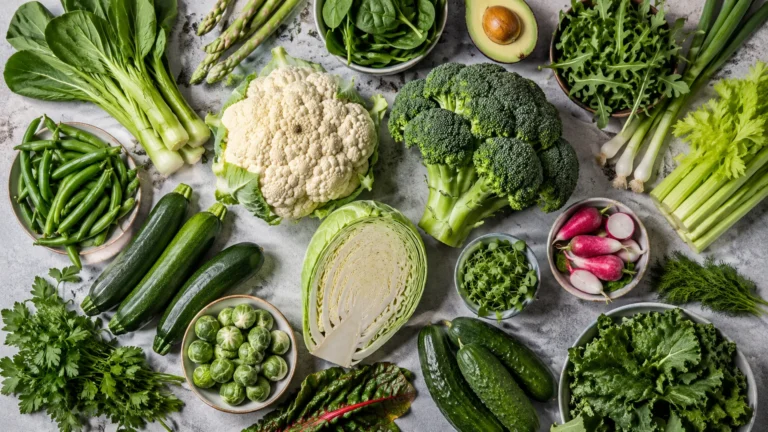
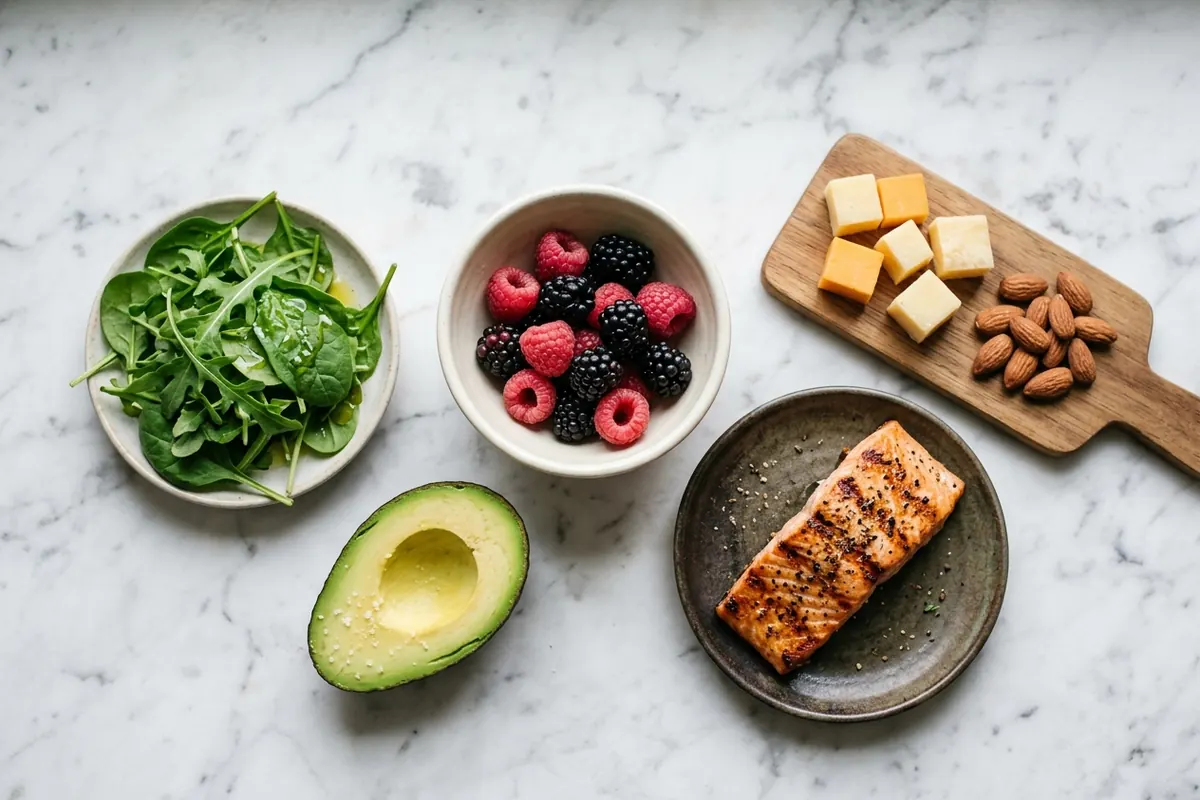
Spend your carb budget on nutrient-dense, high-fiber vegetables rather than processed low-carb products, because the vegetables give you potassium, magnesium, and fiber that prevent both the keto flu and constipation. A typical day might allocate 5 net carbs to leafy greens, 5 to broccoli or cauliflower, 4 to a half avocado, 3 to berries, and leave a few grams of slack for incidental carbs in cheese, eggs, and sauces. Our full primer on how ketosis works and what to eat is at keto basics, and it pairs well with these guidelines.
Foods to Eat and Foods to Cut
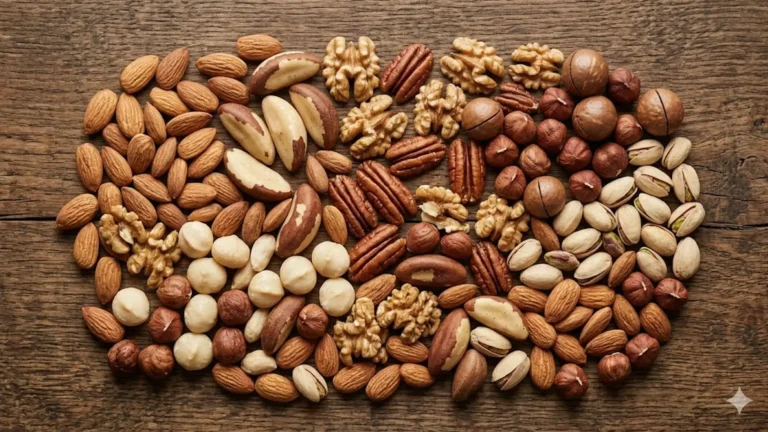
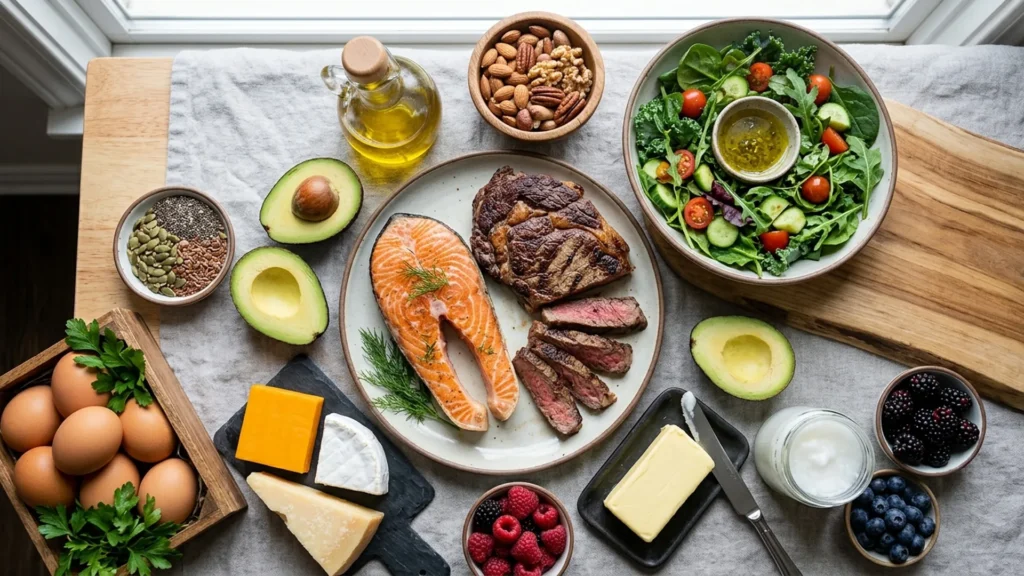
Build meals from these: fatty cuts of meat and poultry, fatty fish like salmon and sardines, eggs, full-fat dairy (cheese, butter, heavy cream, full-fat Greek yogurt), nuts and seeds in measured portions, avocados, olives, and non-starchy vegetables. For fats, lean on olive oil, avocado oil, butter, and animal fats; these are stable and unprocessed. These foods carry you to your fat target without adding carbs and keep you full enough that the diet does not feel like deprivation.
Cut these completely while adapting: sugar in all forms (including honey and agave), grains (bread, pasta, rice, cereal, oats), starchy vegetables (potato, corn), legumes (beans, lentils), most fruit (anything beyond a small berry portion), beer and sweet cocktails, and the obvious processed sweets. Watch the sneaky ones too: barbecue and ketchup are loaded with sugar, many salad dressings hide 4 to 6 carbs per serving, and breaded or battered anything is back on grains. When you crave a starchy comfort food, look for a swap rather than a cheat; our keto friendly tortilla chips breakdown shows how to scratch the chip itch without the carbs.
The Five Keto Diet Variations
Standard keto (SKD) is the version these guidelines describe and the one with the most research behind it: consistently very low carb, high fat, moderate protein. It is the right starting point for nearly everyone. Targeted keto (TKD) lets you eat a small amount of fast carbs around a workout to fuel intense training; it suits athletes, not beginners. Cyclical keto (CKD) alternates strict keto days with planned higher-carb refeed days and is an advanced bodybuilding protocol, easy to get wrong and not recommended until you are fully fat-adapted.
High-protein keto shifts the ratio toward roughly 60 percent fat, 35 percent protein, 5 percent carbs, and works for people who feel weak on standard ratios or are lifting heavily. Lazy keto, an informal fifth version, means tracking only carbs and ignoring fat and protein totals; it can work for weight maintenance but often stalls fat loss because people overeat fat. For your first 60 days, run standard keto strictly so you learn your own numbers before experimenting with the variations.
How to Start Keto in Seven Days
Day one to two: clear the kitchen of grains, sugar, and starches so the easy temptations are gone, and shop for two or three days of keto staples (eggs, ground beef, cheese, spinach, avocados, olive oil, butter). Day three to four: drop carbs to under 25 net grams and start salting your food deliberately, because the moment carbs fall your kidneys dump sodium and water, and that drop is what causes the keto flu. Aim for 3,000 to 5,000 mg of sodium a day from salt and broth during this phase, which is far more than non-keto advice suggests but is correct for low-carb eating.
Day five to seven: you may feel the keto flu (headache, fatigue, brain fog). Push electrolytes harder, add a magnesium supplement (200 to 400 mg) and potassium from avocado and leafy greens, drink to thirst, and rest. Most people turn the corner into steady energy by day five to ten as the body shifts to burning fat. Plan easy default meals for this week so decision fatigue does not push you off plan; our keto breakfast ideas give you grab-and-go options that hold under 5 net carbs each.
Electrolytes and Hydration: The Step Most Guides Skip

Most keto failures in the first two weeks are not willpower problems; they are electrolyte problems. When insulin drops on low carb, the kidneys excrete more sodium, and sodium drags potassium, magnesium, and water out with it. The fatigue, headaches, cramps, and irritability people blame on the diet are really mild electrolyte depletion. The fix is proactive, not reactive. Sodium: 3,000 to 5,000 mg per day from salted food and a cup of salted broth. Potassium: 3,000 to 4,000 mg from avocado, spinach, salmon, and mushrooms. Magnesium: 300 to 400 mg, often easiest from a glycinate or citrate supplement since food alone rarely covers it.
Hydration follows the same logic. You will lose a lot of water weight in the first week as glycogen stores empty (each gram of glycogen holds several grams of water), so drink to thirst and keep the electrolytes coming, because plain water without sodium can actually worsen the imbalance. If you feel lightheaded standing up, that is a sodium signal, not a reason to quit. A glass of water with a quarter teaspoon of salt usually clears it within twenty minutes. A simple homemade electrolyte drink, a quarter teaspoon of salt, a squeeze of lemon, and a pinch of potassium-based salt substitute in a tall glass of water, taken once or twice a day, prevents nearly all of these symptoms before they start and costs almost nothing compared with commercial electrolyte powders.
Tracking Progress and Confirming Ketosis
You have three ways to confirm you are in ketosis. Urine ketone strips are cheap and fine for the first few weeks, though they become unreliable once you are fat-adapted and your body uses ketones efficiently. Breath ketone meters measure acetone and are reusable and reasonably accurate. Blood ketone meters are the gold standard; a reading of 0.5 to 3.0 mmol/L confirms nutritional ketosis, with 1.0 to 3.0 being the sweet spot for most goals. You do not need to test forever; test enough to learn what your own diet does, then trust the routine.
Track more than ketones, though. Watch energy, waist measurement, and how clothes fit rather than fixating on the scale, because water weight swings make daily weigh-ins noisy. Log your food for at least the first two weeks using an app so you actually learn the carb counts of your regular meals; after that, most people can eyeball it. A stall after early progress is almost always creeping carbs, too many nut and cheese calories, or not enough protein, and a few days of careful logging usually exposes which.
One more tracking habit pays off: note how you feel, not just what you weigh. Steady afternoon energy, fewer cravings, and clearer focus are signs the diet is working even on weeks the scale does not move, because body recomposition (losing fat while holding muscle) hides on a bathroom scale. Take a waist measurement and a progress photo every two weeks; those reveal changes the scale misses entirely. If energy crashes instead of stabilizes after the first two weeks, the usual culprits are too little salt, too little food overall, or protein set too low, and each is a quick fix once you spot it in your log.
Building a Sample Keto Day That Hits the Numbers
Guidelines feel abstract until you see them as a plate, so here is a concrete day that lands inside the macros. Breakfast: three eggs scrambled in butter with a half avocado and a side of sauteed spinach. That is roughly 4 net carbs, 35 grams of fat, and 22 grams of protein, and it holds most people until early afternoon. Lunch: a large salad of greens, grilled chicken thigh, shredded cheese, olives, and an olive-oil dressing, around 6 net carbs, 40 grams of fat, and 35 grams of protein. The fattier chicken thigh beats breast here because it carries you to your fat target without an added oil pour.
Dinner: a salmon fillet with roasted broccoli tossed in butter and a small green salad, about 7 net carbs, 30 grams of fat, and 35 grams of protein. If you still have carb room and want something sweet, a half cup of raspberries with whipped cream adds 3 net carbs. The day totals near 20 net carbs, comfortably over 100 grams of protein, and enough fat to keep you full, which is exactly what the macro framework asks for. Notice the structure: protein anchors every meal, vegetables spend the carb budget, and fat fills the gaps and the flavor. Once you internalize that pattern you can build infinite days without a calculator. For lunch rotations that travel and reheat well, our keto lunch ideas follow the same macro logic.
Who Should Be Careful or Avoid Keto
Keto is not for everyone, and these guidelines would be incomplete without saying so. Talk to a doctor before starting if you take medication for diabetes or blood pressure, because keto can lower both quickly and your doses may need adjusting to avoid going too low. People with a history of pancreatitis, certain rare metabolic disorders affecting fat metabolism, or active gallbladder disease should be cautious, as the high fat load can cause problems. Pregnant and breastfeeding people should not restrict carbs this aggressively without medical supervision.
For type 1 diabetics, keto can be done but only with close medical oversight because of ketoacidosis risk, which is a different and dangerous state from nutritional ketosis. If you have kidney disease, the higher protein and the dehydration risk need a doctor’s eye. None of this means keto is dangerous for healthy adults; it means the diet is a real metabolic intervention, and anyone with an existing condition or on medication should treat starting it as a medical decision, not just a dietary one.
Frequently Asked Questions
How many carbs per day on keto?
Start at 20 to 25 grams of net carbs per day, which reliably puts almost everyone into ketosis. Some active, fat-adapted people can stay in ketosis at 30 to 50 grams, but confirm with a ketone test before raising your limit rather than guessing.
How long until I am in ketosis?
Most people enter ketosis within two to four days of dropping under 25 net carbs, and full fat-adaptation (steady energy, no flu symptoms) usually takes one to three weeks. Hard exercise and fasting can speed the initial transition.
Do I need to count calories on keto?
Not strictly, because the high satiety from fat and protein naturally curbs intake for many people. But if fat loss stalls, count for a week, since overeating nut, cheese, and oil calories is the most common reason keto plateaus despite low carbs.
What is the keto flu and how do I avoid it?
The keto flu is the cluster of headache, fatigue, and brain fog from electrolyte loss in the first week. Prevent it by salting food heavily (3,000 to 5,000 mg sodium daily), supplementing 300 to 400 mg magnesium, and getting potassium from avocado and greens.
Can I drink alcohol on keto?
Dry spirits and dry wine fit in small amounts, but beer and sweet cocktails are out. Note that alcohol pauses fat burning while your liver processes it, and your tolerance drops sharply on keto, so go slow and keep mixers sugar-free.
Is keto safe long term?
For most healthy adults, well-formulated keto built on whole foods and adequate vegetables is sustainable, but you should monitor electrolytes, fiber, and bloodwork. Anyone on medication or with kidney, liver, pancreas, or gallbladder issues should follow keto only under a doctor’s guidance.
Keto diet guidelines work when you treat the carb ceiling as fixed, set protein by body weight, fill the rest with fat, and take electrolytes seriously from day one. Start strict, confirm ketosis with a test, log your food for the first two weeks, and adjust fat up or down to match your goal. Build your routine around a few reliable meals so the diet runs on autopilot. For technique and recipe inspiration as you settle in, authorities like America’s Test Kitchen and Cook’s Illustrated are reliable references for cooking the whole foods these guidelines depend on.