The keto flu is the cluster of symptoms, headache, fatigue, brain fog, irritability, and nausea, that can hit in the first week of a ketogenic diet as your body adapts to running on fat instead of carbohydrates. It is not a real infection and it is not contagious, despite the name. It is mostly the result of losing water and electrolytes quickly as you cut carbs, combined with a metabolic adjustment that feels a bit like caffeine withdrawal. The good news is that it is temporary and largely preventable, and the same handful of fixes, more water, more salt, and replaced minerals, both shorten it and keep it mild.
This guide explains what the keto flu actually is, why it happens, the full range of symptoms, how long it lasts, and exactly how to get rid of it and prevent it in the first place. It also covers the warning signs that mean you should stop guessing and see a doctor. None of this is medical advice, and anyone with a health condition or on medication should consult a professional, but as a practical roadmap through the worst of the transition, this is what helps.
What Is the Keto Flu?
The keto flu is a temporary set of symptoms some people experience in the first days of a very low carbohydrate diet, while the body shifts from burning glucose to burning ketones from fat. The name comes from the fact that the symptoms can resemble a mild flu: tiredness, headache, and general malaise. It is a sign of adaptation, not of anything being wrong, and it passes as your metabolism adjusts. Not everyone gets it, and how badly it hits varies a lot from person to person, but knowing what it is takes away the worry that something has gone wrong when you simply feel off in week one. If you are still planning your transition, our guide on how to start the keto diet covers the setup that helps you avoid the worst of it.
Why the Keto Flu Happens
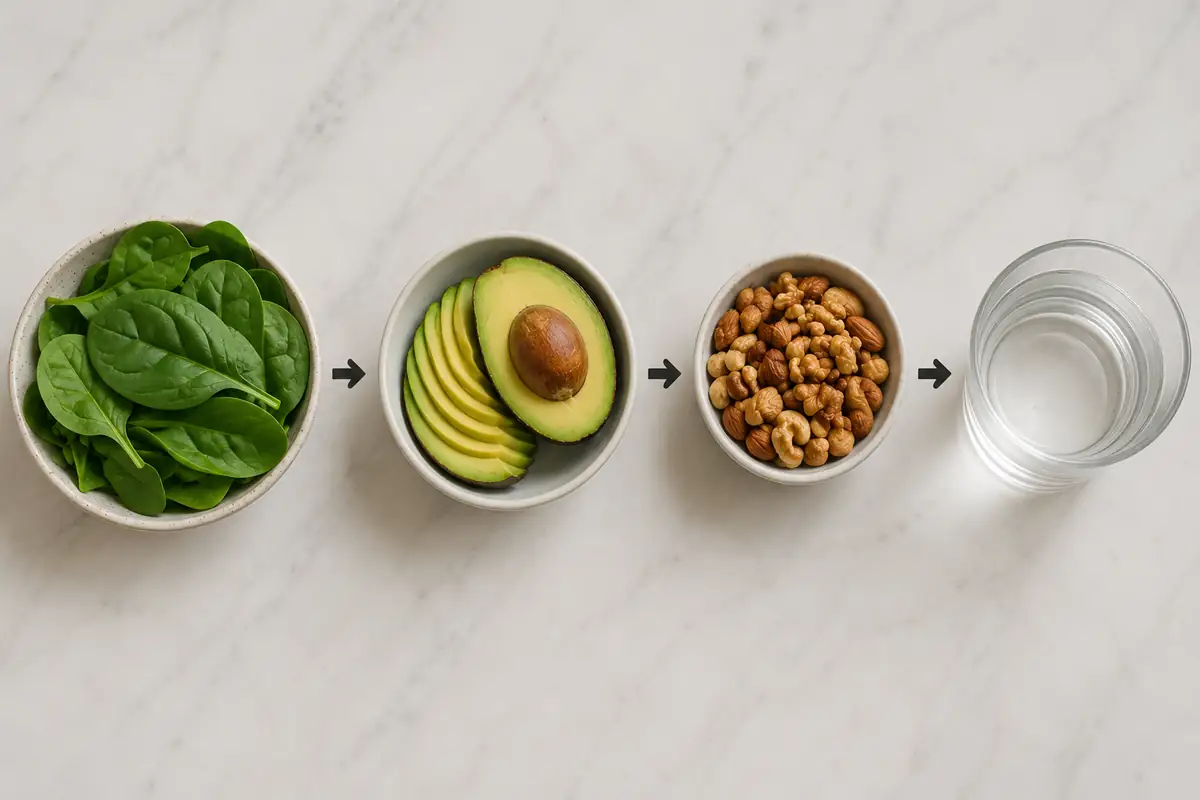
Three things drive the keto flu, and understanding them points straight to the fixes. First and most important is water and electrolyte loss. Carbohydrate is stored in the body along with a lot of water, so when you slash carbs, your body releases that stored carbohydrate and the water bound to it, which is why people often drop several pounds quickly in the first week. Flushing out all that water takes sodium, potassium, and magnesium with it, and that mineral loss is the main cause of the headaches, cramps, and fatigue. Second is the metabolic adjustment itself, as your body learns to make and burn ketones, which simply takes a few days. Third is a withdrawal-like effect from cutting out sugar and refined carbs, similar to easing off caffeine, which can bring cravings and irritability. Address the dehydration and electrolytes and you tackle the biggest cause directly.
Keto Flu Symptoms
Symptoms range from mild to genuinely unpleasant, and most people get only some of them. The common ones include:
- Headache, often the first and most noticeable symptom.
- Fatigue and low energy, sometimes with muscle weakness.
- Brain fog and poor focus or concentration.
- Irritability and mood swings.
- Nausea or an upset stomach.
- Muscle cramps and soreness.
- Sugar and carb cravings.
- Trouble sleeping or staying asleep.
- Dizziness and constipation.
The pattern that gives it away is that these appear within the first few days of dropping carbs and ease as the days pass. Headache, fatigue, and cravings are the trio most people notice. If symptoms are severe, persistent, or accompanied by anything alarming, that is no longer ordinary keto flu and is a reason to check with a doctor.
How Long Does the Keto Flu Last?
For most people the keto flu lasts a few days to about a week, and it typically resolves within one to two weeks at the most. A minority feel some effects for longer, occasionally up to a few weeks, usually when electrolytes are not being replaced. The timeline tracks your body’s adaptation: as it becomes more efficient at producing and using ketones, and as you get your hydration and minerals dialed in, the symptoms fade. If you are still feeling rough well beyond two weeks, it is worth looking hard at your water and electrolyte intake, and at whether you are eating enough overall, since under-eating can prolong the misery. Persistent symptoms beyond that point are a reason to talk to a doctor rather than push through indefinitely.
How to Get Rid of the Keto Flu
Hydrate, and then hydrate more
Because the keto flu is largely a water problem, drinking enough is the foundation of every other fix. Aim for plenty of water through the day, and more if you are active or it is hot. Plain water alone is not the whole answer, though, because you also need to replace what you are losing with it.
Replace your electrolytes
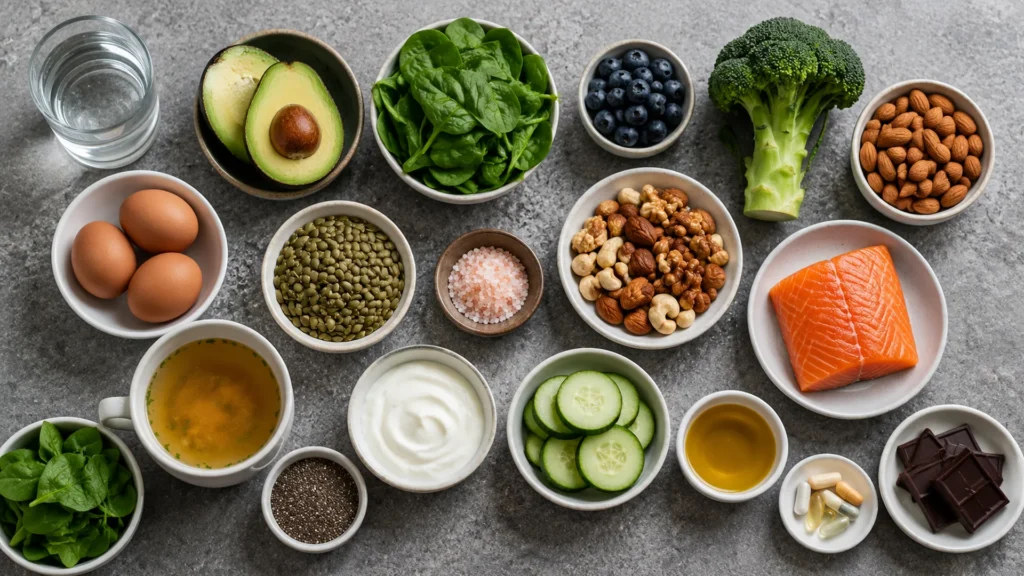
This is the single most effective remedy. Add sodium by salting your food generously and sipping salty broth, which alone resolves many people’s symptoms. Get potassium from foods like avocado, leafy greens, and salmon, and magnesium from nuts, seeds, and greens, or a supplement if needed. A cup of warm broth is the classic keto flu remedy precisely because it delivers sodium and fluid together, and a bowl built around something like keto chicken chili doubles as a tasty electrolyte source.
Eat enough fat and do not under-eat
If you cut carbs but do not replace those calories with fat, you end up under-fueled and feel far worse. Make sure your meals have enough fat to keep you satisfied and energized, since fat is now your main fuel. Eating too little of everything is a common hidden cause of a dragging keto flu.
Rest and move gently
Give yourself permission to rest and prioritize sleep while your body adjusts, and hold off on intense workouts for the first week. Light movement like a walk or easy stretching can actually ease symptoms and lift energy, so gentle is the watchword rather than pushing hard.
How to Prevent the Keto Flu
Prevention beats treatment, and a few habits keep the keto flu mild or skip it entirely. Ease into the diet by lowering your carbs gradually over a week or two rather than cutting them overnight, which gives your body time to adapt. Start supplementing electrolytes from day one rather than waiting until you feel bad, salting food and drinking broth proactively. Stay well hydrated before symptoms appear, and make sure you are eating enough fat so you are never running on empty. People who do all of this often barely notice the transition, which is the best evidence that the keto flu is far more manageable than its reputation suggests. The setup work you do in the first couple of days pays off across the whole adjustment period.
The Three Electrolytes That Matter Most
Because electrolyte loss is the heart of the keto flu, it is worth knowing the three minerals to replace and where to get them. Sodium is the big one, and most keto beginners simply need more of it than they are used to, since cutting processed foods removes a major source while the body is flushing it out faster. Salt your food liberally and drink salty broth, and many symptoms ease within hours. Potassium is the second, lost alongside sodium, and you replace it with foods like avocado, leafy greens, salmon, and mushrooms; it helps with muscle cramps and fatigue. Magnesium is the third, and a shortfall shows up as cramps, poor sleep, and headaches; nuts, seeds, and dark leafy greens supply it, and a supplement is a common addition since it is hard to get enough from food alone. The reason broth, avocado, and greens come up again and again in keto advice is that together they cover all three. If you address sodium, potassium, and magnesium deliberately rather than hoping water alone will do it, you remove the single largest cause of feeling terrible in the first week.
Does Everyone Get the Keto Flu?
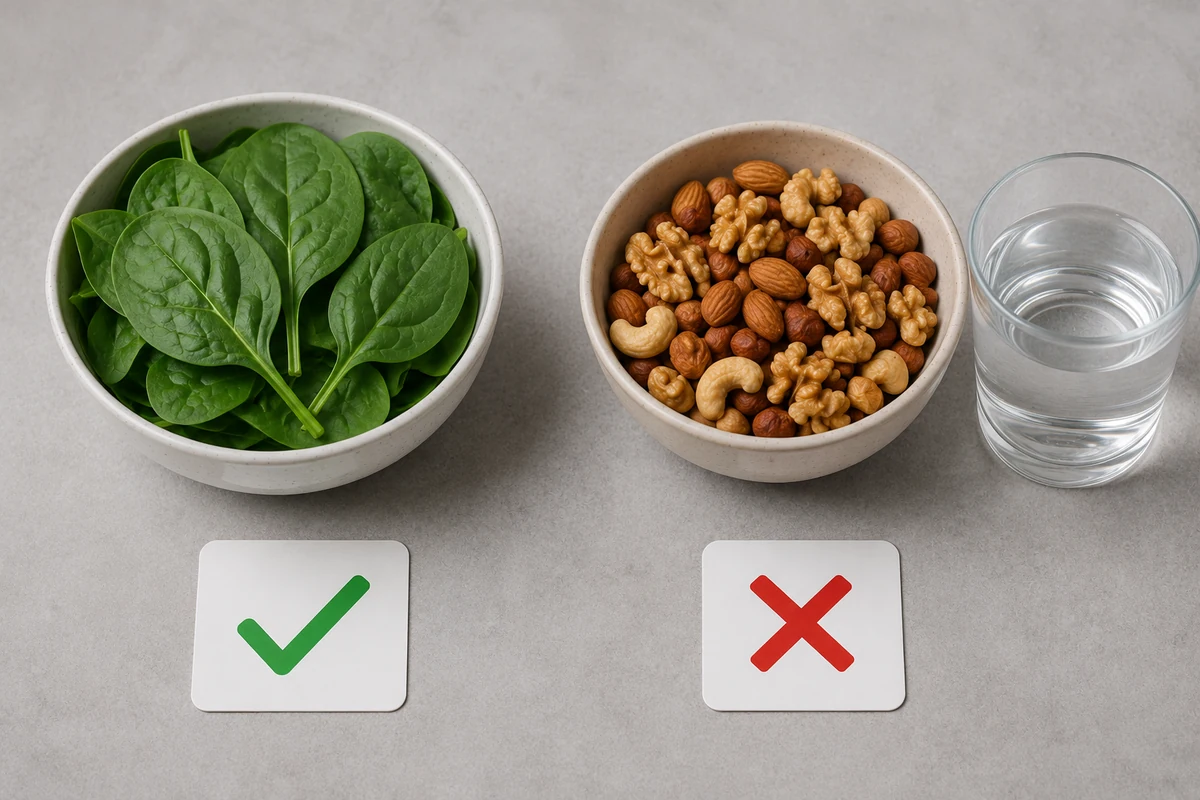
No, and that surprises people who expect it as a rite of passage. Some people transition into ketosis with barely a symptom, while others feel rough for several days, and the difference is largely down to preparation and individual physiology. Those who ease in gradually, hydrate well, and replace electrolytes from the start often skip the worst of it, while those who slash carbs overnight and ignore minerals tend to feel it most. Your starting diet matters too: someone coming off a very high-sugar, highly processed diet may feel a sharper withdrawal than someone who already ate fairly low carb. How much carbohydrate you were eating before, your activity level, and your genetics all play a part. The takeaway is reassuring, because the keto flu is not inevitable, and the steps that prevent it are entirely within your control.
Keto Flu and Exercise
Exercise during the keto flu is a balance. Intense training in the first rough days is usually a mistake, because your glycogen stores are depleted, your electrolytes are low, and your body has not yet learned to fuel hard efforts from fat, so workouts feel terrible and can worsen how you feel. It is better to scale back and let your body adapt for the first week or so. That said, gentle movement helps rather than hurts, and a walk, easy cycling, or light stretching can lift energy, ease headaches, and improve mood without taxing your depleted system. Once you are through the adjustment and fat-adapted, your performance generally returns and many people find their endurance improves, but the first week is a time to go easy and prioritize recovery over pushing through.
When to See a Doctor
Ordinary keto flu is uncomfortable but not dangerous, and it improves with hydration, salt, and time. Some symptoms, though, are not just keto flu and deserve medical attention: severe or persistent vomiting and diarrhea, a high fever, a rapid or irregular heartbeat, confusion, or symptoms that get worse rather than better or last well beyond two weeks. Anyone with diabetes, kidney problems, heart conditions, or who is pregnant, and anyone on medication, should talk to a doctor before starting keto and if they feel unwell during it, since the diet can interact with medications and conditions in ways that need professional oversight. This article is educational and not a substitute for personalized medical advice, so when in doubt, check with a professional rather than tough it out.
Foods and Drinks That Help
A few specific foods earn their place in a keto flu toolkit. Bone or vegetable broth is the standout, delivering sodium, fluid, and warmth in one cup. Avocado is rich in potassium and magnesium and is easy to eat when you have little appetite. Leafy greens, nuts, and seeds round out the minerals you are losing. A pinch of extra salt on everything, and pickle juice for a quick sodium hit, are old keto standbys. Staying with simple, mineral-rich whole foods like a piece of pan-fried salmon with greens gives you fuel and electrolytes without much effort during the days you feel least like cooking. For dependable cooking technique behind these simple meals, America’s Test Kitchen and Cook’s Illustrated are useful references.
Frequently Asked Questions
What are the symptoms of the keto flu?
The most common symptoms are headache, fatigue, brain fog, irritability, nausea, muscle cramps, and sugar cravings, often with trouble sleeping or constipation. They appear in the first few days of cutting carbs and ease over one to two weeks. Most people experience only some of them.
How long does the keto flu last?
Usually a few days to about a week, and typically no more than one to two weeks. A minority feel some effects longer, often because they are not replacing electrolytes or are not eating enough. If symptoms persist well past two weeks, see a doctor.
How do you get rid of the keto flu fast?
Drink plenty of water and replace electrolytes by salting food, sipping broth, and eating potassium and magnesium-rich foods like avocado and greens. Make sure you are eating enough fat, rest well, and keep activity light. Replacing sodium is often the fix that helps most quickly.
What causes the keto flu?
It is mainly caused by losing water and electrolytes as your body sheds stored carbohydrate and its bound water, plus the metabolic shift to burning fat and a withdrawal-like effect from cutting sugar. The electrolyte loss is the biggest driver, which is why replacing minerals helps so much.
Can you avoid the keto flu entirely?
Often, yes. Easing into keto by reducing carbs gradually, supplementing electrolytes from the first day, staying well hydrated, and eating enough fat can keep symptoms very mild or prevent them. People who prepare this way frequently barely notice the transition.
Why do I feel worse before I feel better on keto?
The first few days are when water and electrolyte loss peak and your body has not yet adapted to burning fat, so symptoms are at their strongest before improvement begins. As your metabolism shifts and you replace minerals, energy and clarity usually return and often surpass how you felt before. The dip-then-lift pattern is normal, which is why pushing through the first week with good hydration and salt is worth it.
Is the keto flu dangerous?
For most healthy people it is uncomfortable but not dangerous and resolves on its own with hydration and salt. However, severe vomiting, a rapid heartbeat, confusion, or worsening symptoms are not normal keto flu and warrant medical attention, especially for anyone with a health condition or on medication.
Bottom Line
The keto flu is a short, manageable bump on the way into ketosis, not a reason to quit. It comes mainly from losing water and electrolytes as carbs drop, so the fixes are simple: drink plenty of water, salt your food and sip broth, replace potassium and magnesium, eat enough fat, and rest while your body adapts. Ease in gradually and start electrolytes from day one and you may barely feel it at all, turning what many people dread into a minor, manageable bump on the road into ketosis. Watch for the warning signs that mean something more is going on, check with a doctor if you have any health concerns, and within a week or two the rough patch gives way to the steady energy that keeps people on keto. The single habit that helps most is unglamorous but reliable: a cup of salty broth and a tall glass of water at the first sign of a headache, repeated as needed, because nine times out of ten the keto flu is your body asking for fluid and minerals rather than for carbohydrates, and answering that request is what carries you through to the steady, even energy on the other side.