Walk into most keto guides on meat and you will get the same shrug: “all meat is keto, eat whatever you want.” That is technically true and practically useless. Plain meat carries almost no carbohydrate, so on a pure net-carb basis a chicken breast and a ribeye both clear the bar. But net carbs are only one of the three numbers worth tracking, and the other two, fat and protein, are exactly where meat makes or breaks a ketogenic day. Pick the wrong cuts and you end up eating a high-protein, low-fat diet that quietly stalls ketosis and leaves you hungry by 3 p.m. Pick the right ones and meat does the heavy lifting that keto actually depends on.
The short version: the question is not whether a meat is keto. Almost all of them are. The real question is how much fat rides along with the protein, because that ratio decides whether a cut keeps you in fat-burning mode or pushes you toward the lean-protein trap. This guide ranks meats the way they behave on a real keto plate, gives you the macros per typical serving, and tells you which processed options are fine and which ones smuggle in carbs you did not budget for.
Why Net Carbs Alone Is the Wrong Way to Judge Meat
Here is the thing every “best keto meats” list glosses over. Fresh, unprocessed meat is essentially zero net carbs, full stop. Beef, pork, chicken, lamb, turkey, duck, game: none of them carry meaningful carbohydrate. So if your only filter is net carbs, every cut passes and the list is meaningless. That is why so many of those articles read like a grocery flyer.
What separates a great keto meat from a mediocre one is the fat-to-protein ratio. A well-formulated ketogenic diet runs roughly 70 to 75 percent of calories from fat, 15 to 20 percent from protein, and 5 to 10 percent from carbohydrate, the macro template clinical reviews like the one on the NIH StatPearls library describe as the basis of a true ketogenic pattern. Meat is your single biggest lever on the fat and protein lines, and the cuts vary enormously. A skinless chicken breast is about 80 percent of its calories from protein and almost no fat. A ribeye is closer to a 60-40 fat-to-protein split. Eat nothing but breast meat and tilapia and you will hit your protein ceiling long before you reach your fat target, which means either you go hungry or you bolt on fat from somewhere else. Eat fattier cuts and the fat comes built in.
So the ranking below is not about whether meats fit keto. It ranks them by how little extra work they make you do. The fattier the cut, the more it carries its own weight.
The Best Keto Meats, Ranked by How They Behave
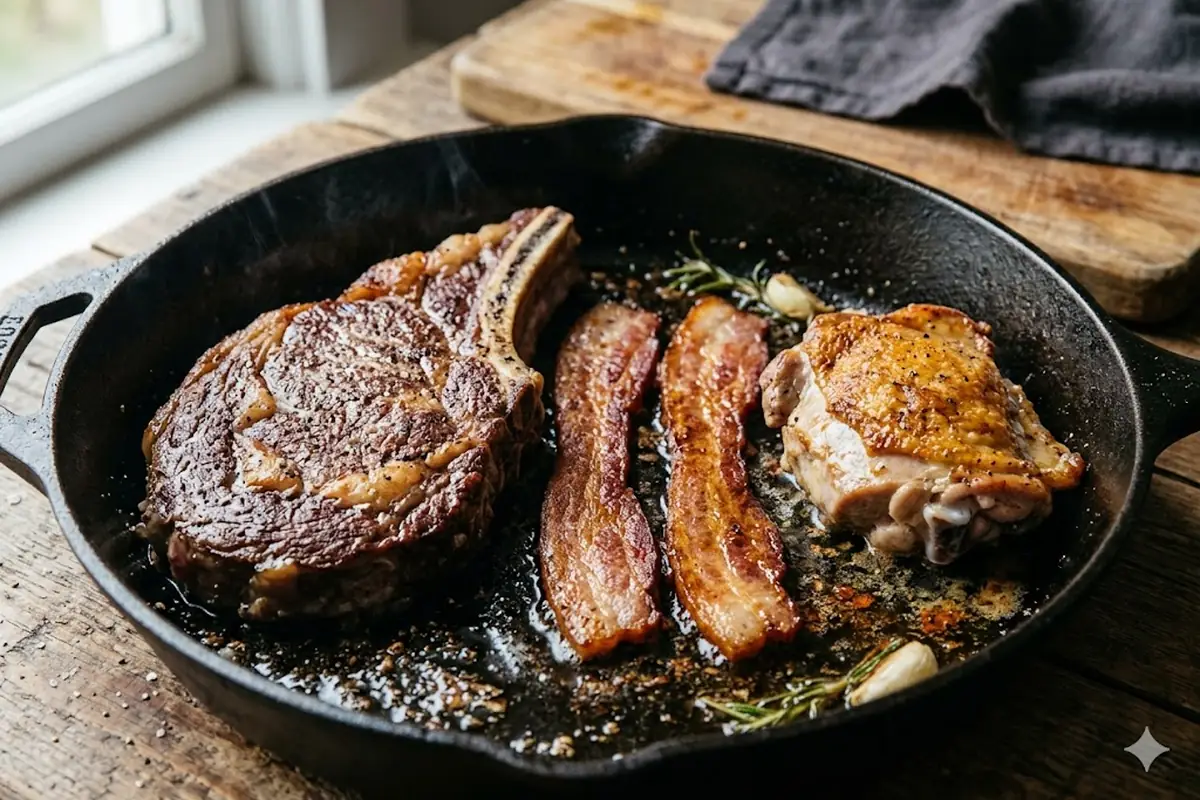
Meats fall into three tiers. Tier one cuts arrive with their fat attached and need almost nothing added. Tier two cuts are lean and excellent, but you should plan to cook or dress them with fat. Tier three is the processed category, where most are fine but a few hide sugar and starch.
Tier One: Fatty Cuts That Carry Themselves
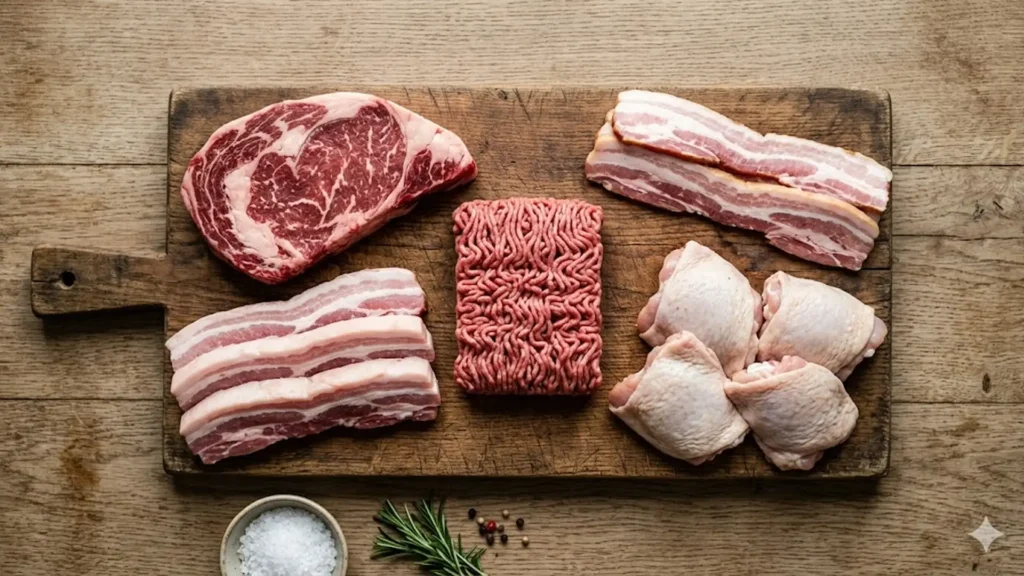
These are the cuts that do the macro math for you. Ribeye is the obvious champion: heavily marbled, rich, and roughly 60 percent of its calories from fat. Pork belly and pork shoulder are right beside it, which is why slow-roasted pork is such a keto staple. Chicken thighs with the skin on are the budget hero here. Unlike breast meat, thighs run closer to a 50-50 fat-to-protein split once you keep the skin, and they stay juicy instead of drying out. Lamb chops, beef short ribs, bacon, and 80/20 ground beef all live in this tier too.
When a meal is built around a tier-one cut, you often do not need to add any fat at all. The cut already pushes the day toward that 70-percent-fat target. This is the practical reason fatty meats sit at the top of every serious keto list: not because lean meat is forbidden, but because fatty meat reduces the amount of butter, oil, and cheese you have to stack on top.
Tier Two: Lean Cuts That Need a Fat Partner
Lean meats are not the enemy. Chicken breast, turkey breast, pork tenderloin, sirloin, flank steak, and most game meats are genuinely good for you and fit keto perfectly well. The catch is that they are protein-dominant, so they need a deliberate fat partner. This is where cooking technique earns its keep. A chicken breast pan-seared in butter and finished with a cream sauce becomes a keto meal. The same breast grilled dry and served plain becomes a lean-protein meal that fights your fat target.
The rule is simple: if the cut is lean, decide where the fat is coming from before you cook. Olive oil, butter, avocado, a cheese sauce, a fatty dressing. If you are cooking lean meat in an air fryer, that is exactly the moment to brush on oil or pair it with a fatty dip rather than letting it cook out bone-dry; the same logic that makes air fryer chicken work for keto is that you add the fat back deliberately. A bowl of chicken soup built on real stock with cream and butter stirred in is another easy way to turn lean poultry into a high-fat meal.
Tier Three: Processed and Cured Meats
Bacon, sausage, salami, prosciutto, pepperoni, and deli meats are mostly excellent on keto, and bacon in particular is close to a tier-one cut in disguise. But this is the one meat category where carbs actually sneak in, so it is the only place you need to read a label. The usual culprits are sugar in the cure, fillers, and breadcrumb binders.
Macros for Common Keto Meats
Numbers cut through the noise faster than any description. The table below shows approximate macros per cooked 4-ounce (about 113 gram) serving, drawn from standard composition data. Treat them as planning estimates; brand and trim change them a little. The pattern is what matters: notice how the net carbs are essentially flat across the board, while fat swings wildly. That fat column is the real keto story.
| Meat (4 oz cooked) | Net carbs | Fat | Protein |
|---|---|---|---|
| Pork belly | 0 g | ~40 g | ~12 g |
| Ribeye steak | 0 g | ~24 g | ~26 g |
| Chicken thigh, skin on | 0 g | ~13 g | ~28 g |
| 80/20 ground beef | 0 g | ~20 g | ~28 g |
| Lamb chop | 0 g | ~16 g | ~28 g |
| Bacon (per ~3 strips) | ~0.5 g | ~14 g | ~12 g |
| Sirloin steak | 0 g | ~8 g | ~30 g |
| Pork tenderloin | 0 g | ~5 g | ~31 g |
| Chicken breast, skinless | 0 g | ~4 g | ~35 g |
| Turkey breast, skinless | 0 g | ~2 g | ~34 g |
Read that table top to bottom and the lean-protein trap jumps out. Pork belly delivers nearly 40 grams of fat alongside its protein; a chicken breast delivers about 4. Both are zero-carb and both are keto, but they ask completely different things of the rest of your day. Build a plate around the bottom of the table and you will be reaching for oil and avocado to make your fat numbers. Build it around the top and the work is already done.
How Much Meat Should You Actually Eat on Keto
This is where the most self-sabotage happens. People hear “keto is high fat” and then eat a pound of ribeye at every meal, blowing past their protein ceiling and wondering why ketone readings drop. Protein is not a free-for-all on keto. The body can convert excess protein to glucose through a process called gluconeogenesis, and while that process is demand-driven rather than a simple switch, eating far more protein than you need does push some people out of deeper ketosis.
The target most keto practitioners use is 1.2 to 1.7 grams of protein per kilogram of reference body weight, leaning higher if you are active or trying to preserve muscle while losing fat. For a 70-kilogram (about 154-pound) person, that is roughly 84 to 120 grams of protein a day. Four ounces of cooked meat delivers somewhere around 30 grams, so two to three palm-sized servings of meat across the day usually lands you in range without overshooting. The goal is to hit your protein number, then fill the rest of your calories with fat, not to treat meat as unlimited.
Reading Labels on Processed Meats
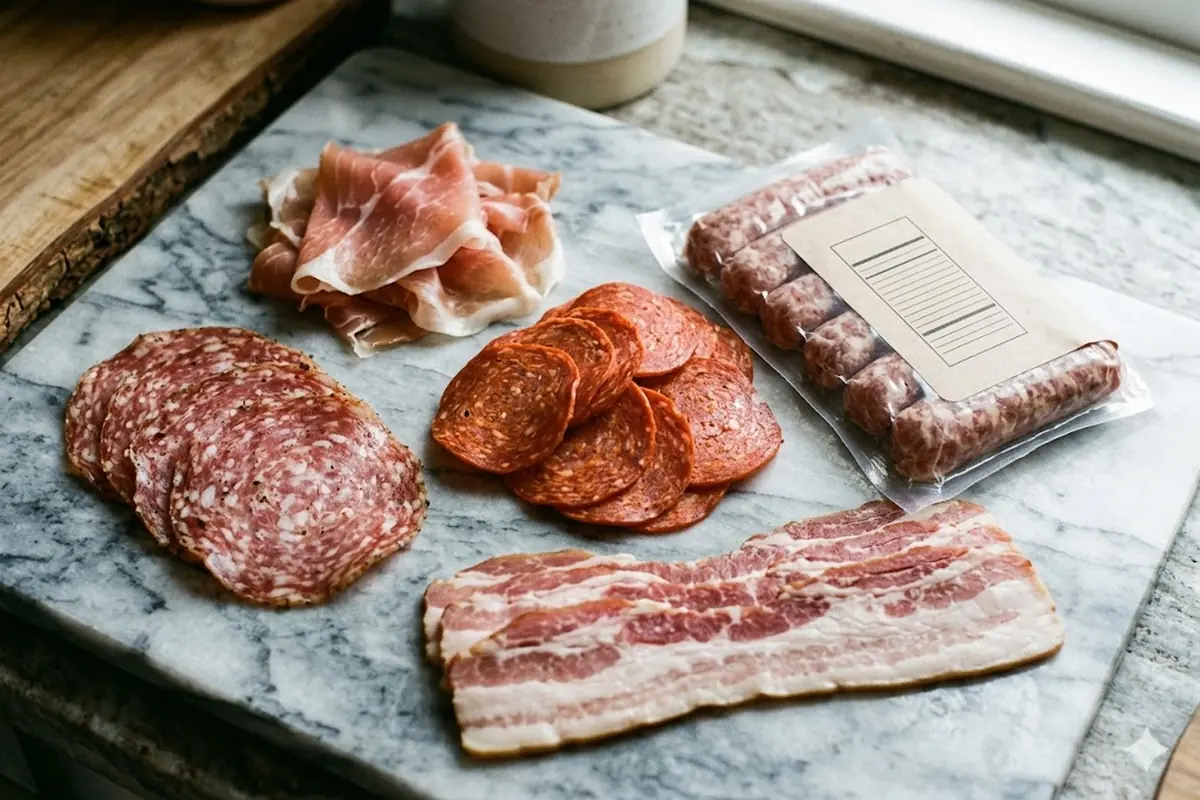
Fresh meat needs no label. Processed meat does, because this is the single place carbs hide in an otherwise carb-free food group. When scanning a package of sausage, bacon, or deli meat, look for three things.
First, added sugar in any of its disguises: sugar, dextrose, corn syrup, maple, honey glaze. Brown-sugar bacon and honey ham can carry 2 to 4 grams of carbohydrate per serving, which is small but adds up if you eat them daily. Second, fillers and binders, which is the breadcrumb or rusk problem in cheap sausages and meatballs; some sausages are nearly keto-clean while others hide 3 to 5 grams of carbs per link in starch. Third, the ingredient list length itself, because the shorter it is, the less room there is for surprises. Cured meats like prosciutto, salami, and pepperoni are usually the safest bets since traditional curing needs little or no sugar.
None of this means processed meat is off-limits. It means processed meat is the one meat aisle where you cannot skip the nutrition panel. Everywhere else, the panel just confirms what you already know: near-zero carbs, the question is only how much fat.
Building a Day Around Meat the Smart Way
The cleanest keto days mix tiers on purpose. A fatty cut anchors one meal so you do not have to add much; a leaner cut with a deliberate fat partner anchors another. Eggs and bacon in the morning lean tier one. A grilled chicken thigh with avocado and a cheese-heavy salad at lunch blends tiers. A ribeye with butter at dinner closes the day in tier one with zero effort. Pair your meat with low-carb vegetables to round out fiber and micronutrients, since meat alone leaves gaps; if you are not sure which vegetables stay under your carb cap, the guide to keto friendly vegetables covers the safe list and the traps. And when you want the full grocery picture across every aisle, not just the meat case, the keto diet food list is the printable checklist to start with.
Do that, and meat stops being a thing you worry about and becomes the easiest part of keto. The carbs were never the issue. The fat-to-protein ratio always was, and once you can read a cut for that ratio at a glance, you have the whole skill.
Organ Meats, Fish, and the Cuts Worth Adding
Most keto meat guides stop at the steakhouse menu and miss the cuts that punch above their weight nutritionally. Organ meats are the standout. Liver, heart, and kidney are among the most nutrient-dense foods on the planet, loaded with B vitamins, iron, vitamin A, and minerals that the muscle-meat-and-cheese version of keto often runs short on. A small serving of chicken or beef liver once a week quietly patches several of the micronutrient gaps that strict keto can open up. They are carb-free, fit the macros, and you can confirm the exact composition of any cut you are unsure about through the USDA FoodData Central database, which lists fat, protein, and carbohydrate for raw and cooked meats alike.
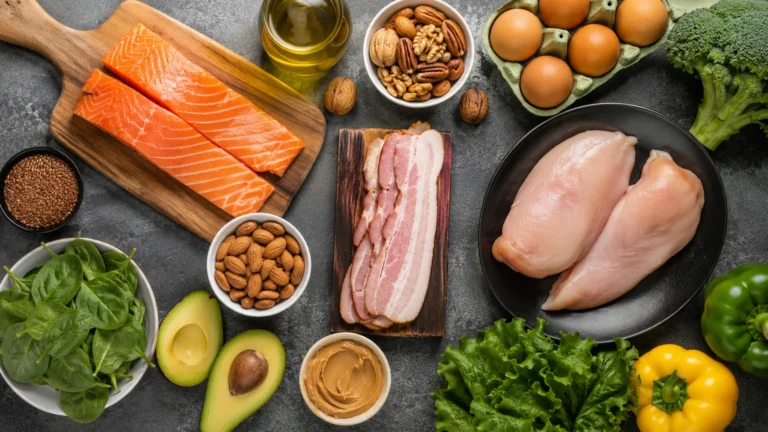
Fatty fish deserves a place on the keto plate for the same reason fatty meat does. Salmon, mackerel, sardines, and herring carry their fat built in, much of it the omega-3 kind that fattier red meat does not provide, and they are zero net carbs. Shellfish is mostly keto-friendly too, though a few, like oysters and mussels, carry a small amount of carbohydrate from glycogen, so they are the rare seafood worth a quick check rather than an automatic yes. Eggs round out the picture as a near-perfect keto protein with fat attached. If you treat “meat” broadly, to include fish, eggs, and the occasional organ meat, you cover both the macro side and the micronutrient side of keto in one move.
Common Mistakes People Make With Keto Meat
The first mistake is the one this whole guide is built around: eating lean meat exclusively and wondering why keto is not working. A plate of grilled chicken breast and a side salad with no dressing is a low-fat, high-protein meal, and a string of those days is essentially not keto at all, no matter how few carbs it contains. The fix is never to fear lean meat, only to pair it with deliberate fat.
The second mistake is trusting breaded and sauced restaurant meat. The meat itself is carb-free, but the breading on fried chicken, the flour dredge on a chicken-fried steak, the sweet glaze on barbecue ribs, and the sugar in a teriyaki sauce can add 10, 20, even 30 grams of carbohydrate to what looks like a keto-safe protein. When you eat out, the question is never the meat; it is everything that touched it. The third mistake is over-relying on cheap, ultra-processed meat products, the nuggets and breaded patties and sweetened jerky, which combine filler carbs with low-quality fat. A simpler rule covers all three: the closer the meat is to how it came off the animal, the more reliably keto it is. Whole cuts almost never surprise you. Processed and restaurant-prepared meat is where the carbs hide.
Frequently Asked Questions
Is all meat keto friendly?
Almost all fresh, unprocessed meat is keto friendly because it contains essentially zero net carbs. Beef, pork, chicken, lamb, turkey, duck, and game all qualify. The only real exceptions are processed meats with added sugar, breadcrumb fillers, or starch binders, which can carry a few grams of carbohydrate per serving. So the honest answer is that the carb count rarely disqualifies a meat; what varies is the fat content, and that is what determines how well a cut fits your daily macros.
Which meats are best for staying in ketosis?
Fatty cuts serve ketosis best because they carry their own fat and keep your protein from dominating the day. Ribeye, pork belly, pork shoulder, chicken thighs with skin, lamb chops, and 80/20 ground beef are top picks. Leaner cuts like chicken breast or pork tenderloin still fit keto, but you should add fat through cooking method or sauces so the meal does not become protein-heavy, which can blunt deeper ketosis in some people.
Can you eat too much protein on keto?
Yes. Protein is not unlimited on keto. Eating far more than you need can, in some people, push you out of deeper ketosis because the body can convert surplus protein to glucose. Most keto practitioners aim for roughly 1.2 to 1.7 grams of protein per kilogram of reference body weight, which usually works out to two or three palm-sized meat servings a day. Hit that protein target, then fill remaining calories with fat rather than treating meat as a free food.
Are deli meats and sausages okay on keto?
Most are fine, but processed meats are the one category where you must read the label. Watch for added sugar (sugar, dextrose, corn syrup, honey or maple glaze), and for breadcrumb or rusk fillers in cheaper sausages and meatballs, which can add 3 to 5 grams of carbs per serving. Traditionally cured meats such as prosciutto, salami, and pepperoni are usually the safest choices because curing needs little or no sugar. Choose short ingredient lists and you will rarely go wrong.