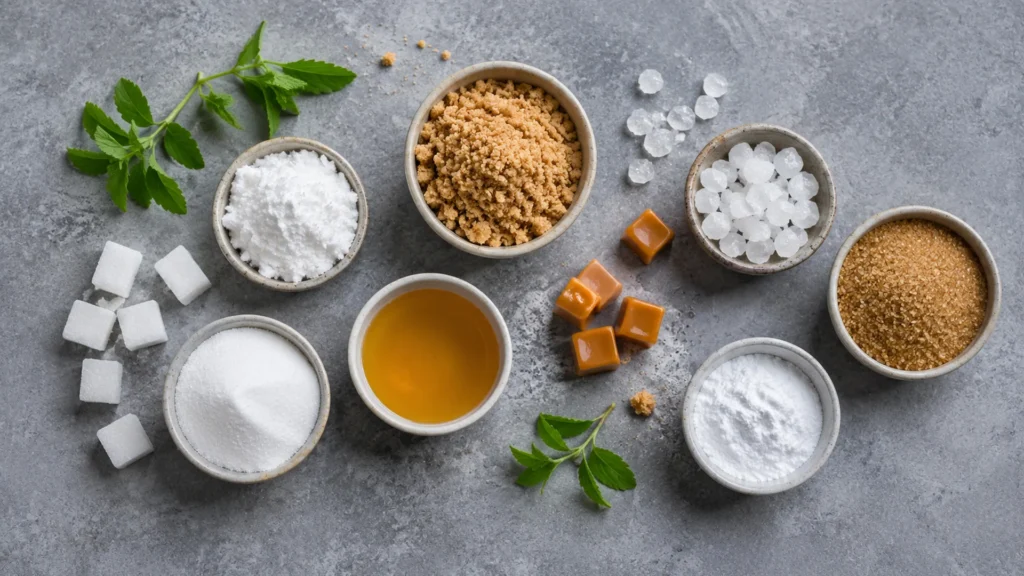
How much sugar can you have on keto? Practically none in the form of added sugar, because sugar is pure carbohydrate and even a small amount can use up your entire daily carb budget and knock you out of ketosis. There is no separate sugar allowance on keto; sugar simply counts toward your total carb limit of roughly twenty to fifty grams a day, and it is the most concentrated, fiber-free way to spend those carbs. The trace sugar naturally found in foods like berries and low-carb vegetables can fit within that budget, but spoonfuls of table sugar, honey, or syrup do not. The practical rule is to cut added sugar entirely and get any sweetness from keto-friendly sweeteners instead.
This guide explains exactly how sugar fits into a keto diet, why even natural sugars like honey and maple syrup are off the table, which trace sugars from whole foods are fine, the sweeteners that let you enjoy sweet foods without breaking ketosis, and how to spot the hidden sugar that sabotages beginners. None of this is medical advice, but as a practical framework for handling sugar on keto, it is everything you need to stay on track.
The Short Answer: Sugar Counts as Carbs
On keto there is no special number of grams of sugar you are allowed, because sugar is just carbohydrate, and it falls under your overall carb limit. Since most people aim for twenty to fifty grams of net carbs a day, and sugar is carbohydrate with no fiber to subtract, every gram of sugar is a gram against that limit. A single tablespoon of sugar has about twelve grams of carbs, which can be half or more of a strict daily allowance in one go, and a can of soda blows the whole day. That is why the standard advice is to avoid added sugar completely rather than try to budget for it. If you want the full picture of how carbs work on keto, our guide on how many carbs a day on keto covers the limits that sugar fits inside.
Why Sugar Is the Enemy of Ketosis
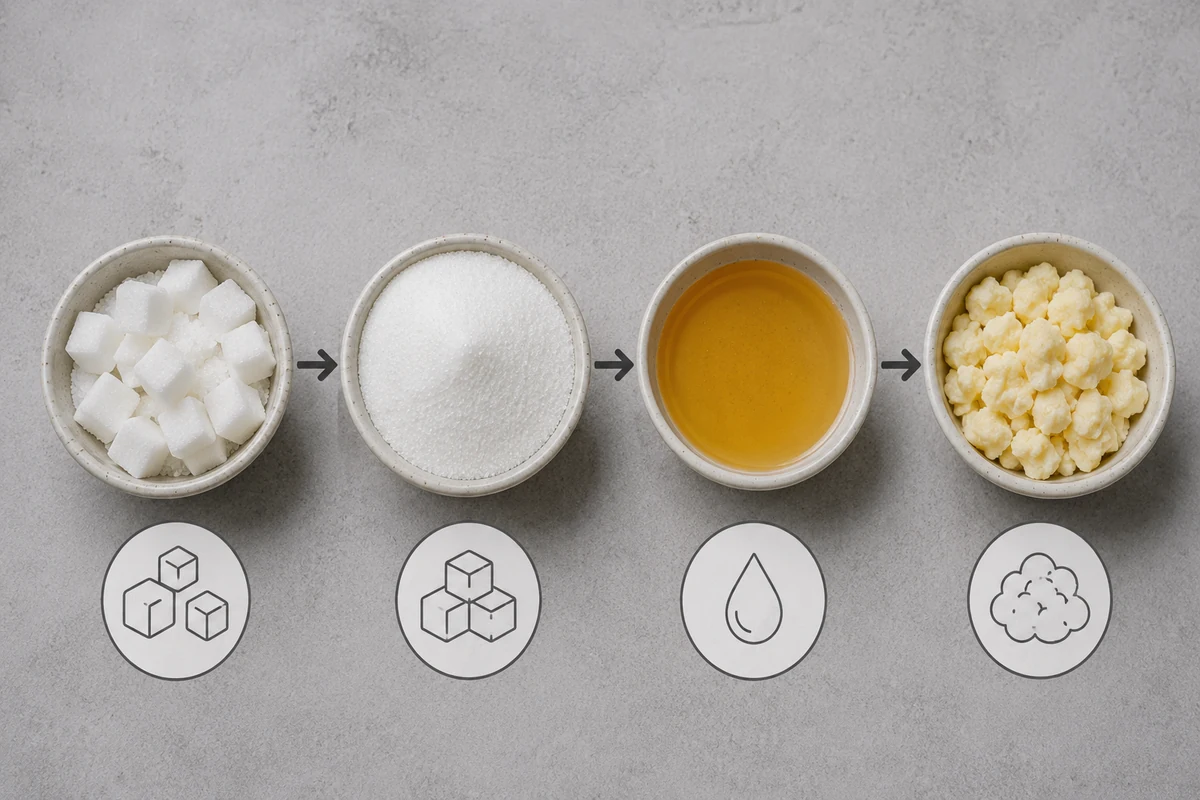
Sugar is uniquely bad for keto for a few reasons. It is the most carb-dense food there is, with no fiber, fat, or protein to blunt its effect, so it raises blood glucose fast. That spike triggers insulin, the hormone that tells your body to store fat and stop burning it, which is the opposite of what keto is trying to do. Even a modest amount of sugar can pull you out of ketosis and restart the cravings cycle, undoing days of adaptation. There is also a behavioral side: sugar drives more sugar cravings, so a small indulgence often snowballs. Because keto depends on keeping insulin low and ketones flowing, sugar works directly against the entire mechanism of the diet, which is why it is the first thing to go.
What About Natural Sugars?
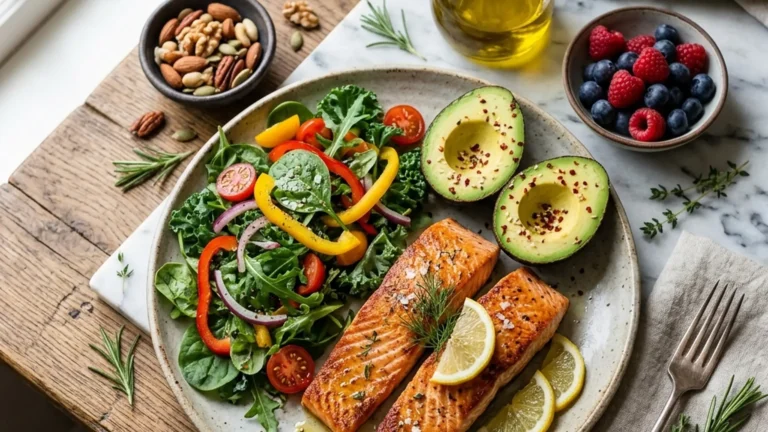
This is where beginners get tripped up, because natural sugars sound healthy but behave like regular sugar on keto. Honey, maple syrup, agave, coconut sugar, and date syrup all raise blood glucose and disrupt ketosis just as table sugar does, so they are not keto-friendly despite their wholesome image. Fruit is the other surprise: most fruit is too high in sugar for keto, so apples, bananas, grapes, and oranges are off the menu in normal portions. The exceptions are small amounts of berries, which are lower in sugar and high in fiber, so a handful of raspberries or blackberries can fit within a careful carb budget. The lesson is that on keto, the body does not care whether the sugar came from a flower, a tree, or a bag, since glucose is glucose, and any concentrated sugar source counts.
| Fits in small amounts | Avoid on keto |
|---|---|
| Berries (raspberries, blackberries) | Table sugar and brown sugar |
| Trace sugar in low-carb vegetables | Honey, maple syrup, agave |
| Keto sweeteners (see below) | Most fruit and fruit juice |
| Coconut sugar and date syrup |
Keto-Friendly Sweeteners
The good news is that you can still enjoy sweet foods on keto by using sweeteners that do not raise blood sugar or count meaningfully toward your carbs. The best options are stevia, a zero-calorie, zero-carb sweetener from the stevia plant that does not affect blood glucose; monk fruit, another natural zero-carb sweetener with no blood sugar impact; erythritol, a sugar alcohol with almost no calories or net carbs that does not spike glucose; and allulose, a rare sugar that tastes and behaves much like real sugar but has very few net carbs and little effect on blood sugar. These let you make keto desserts and sweeten coffee without breaking ketosis. The ones to avoid are regular sugar and its natural cousins, plus maltitol, a sugar alcohol that, unlike erythritol, does raise blood sugar noticeably. A keto dessert like low-carb pecan pie relies on exactly these sweeteners to stay within the carb limit while still tasting like the real thing.
Hidden Sugar Is the Real Trap
The sugar that derails keto dieters is usually not the obvious dessert; it is the sugar hiding in savory and processed foods. Ketchup, barbecue sauce, teriyaki, salad dressings, marinades, and pasta sauces are often loaded with added sugar, and a generous pour can quietly add ten or fifteen grams of carbs to a meal you thought was keto. Flavored yogurts, granola, protein bars, breakfast cereals, and many low-fat products add sugar to make up for lost flavor. Even some processed meats and condiments contain sugar. The defense is simple but essential: read the ingredient list and the sugar line on the label of anything packaged, and watch for the many names sugar hides under, like syrup, dextrose, maltose, and cane juice. Making sauces and dressings at home, or choosing no-sugar-added versions, removes most of the hidden sugar at once. Once you start checking, you will be surprised how many savory foods are sweetened.
Sugar Alcohols: The Confusing Middle Ground
Sugar alcohols deserve their own explanation, because they are neither sugar nor entirely free, and they cause a lot of confusion. These sweeteners, which include erythritol, xylitol, and maltitol, occur in many low-carb and keto-labeled products. Erythritol is the keto star, since it is almost entirely unabsorbed, has a negligible effect on blood sugar, and contributes essentially no net carbs, which is why it appears in so many keto desserts. Xylitol is partially absorbed and has a small impact, so it counts more and should be used in moderation, and a warning worth knowing is that xylitol is toxic to dogs. Maltitol is the problem child: it raises blood sugar significantly, far more than erythritol, so a product sweetened with maltitol can quietly knock you out of ketosis even though it is marketed as low carb. The practical rule is to look for erythritol, allulose, monk fruit, and stevia on labels, and to treat maltitol as close to regular sugar. Many keto product disappointments trace back to maltitol hiding in the ingredient list.
What Happens If You Eat Sugar on Keto?
Slipping up is not a disaster, but it helps to know what actually happens. A meaningful dose of sugar raises your blood glucose and insulin, which pauses fat burning and can pull you out of ketosis, sometimes for a day or more depending on how much you ate and how active you are. You may also notice the cravings come roaring back, since sugar feeds the desire for more, and some people feel a real energy crash afterward. The water weight that keto flushes out can return temporarily too, showing up as a quick scale bump that is not actual fat gain. The way back is simple: return to your normal low-carb eating, drink water, get moving, and you will generally be back in ketosis within a day or two, much faster than the first time because your body remembers how. One slip does not undo your progress, so the worst response is to treat a small mistake as a reason to abandon the diet entirely.
Keto Desserts Done Right
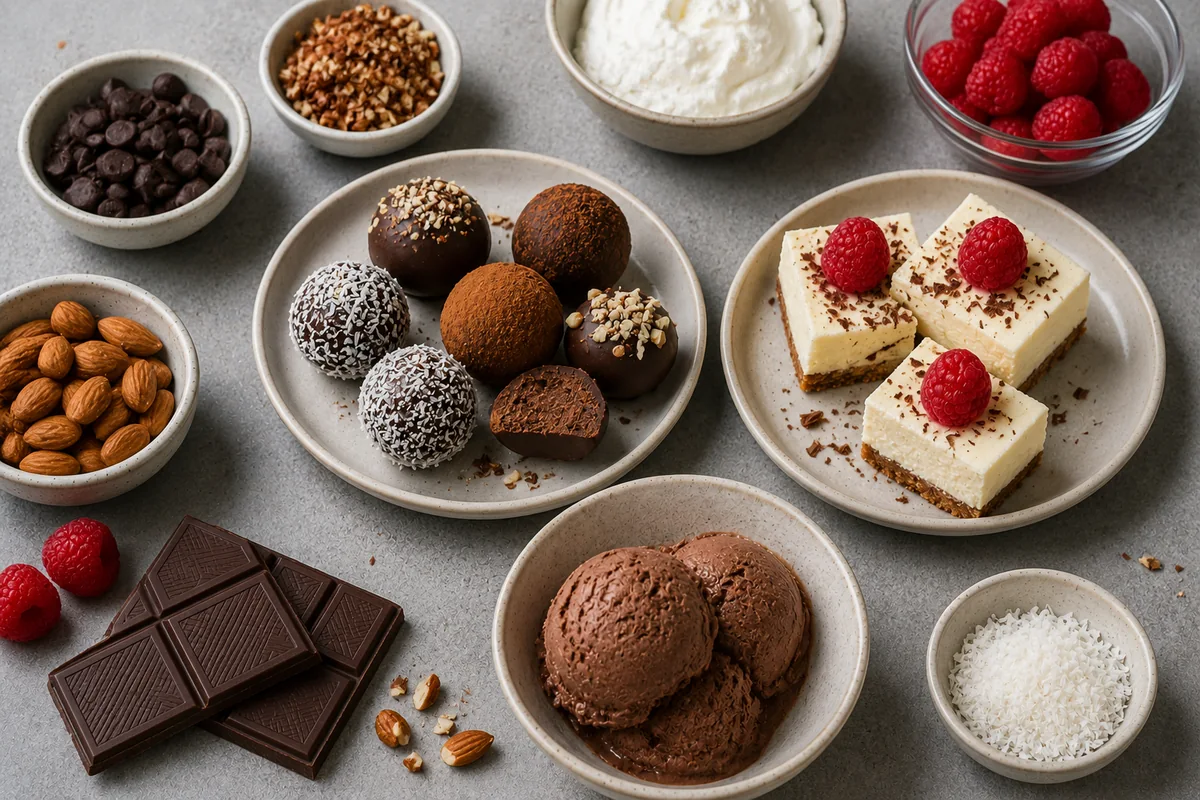
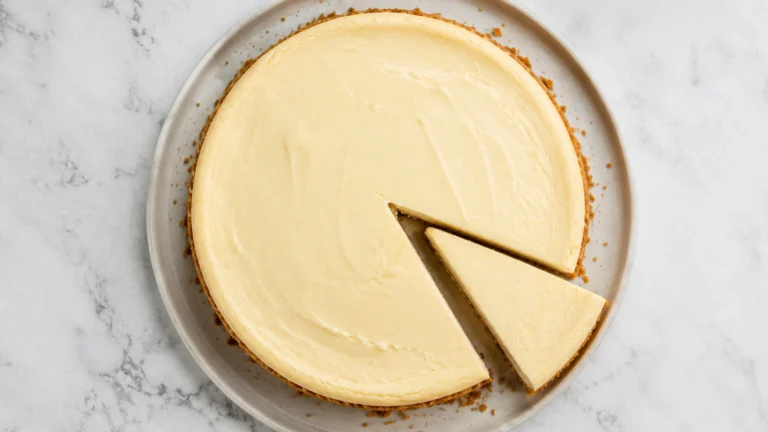
You do not have to give up dessert on keto, you just have to rebuild it around the right sweeteners and low-carb flours. Replacing sugar with erythritol, allulose, monk fruit, or stevia, and wheat flour with almond or coconut flour, produces cakes, cookies, and pies that fit a keto carb budget while still satisfying a sweet tooth. A keto-friendly low-carb pecan pie is a good example of how the swaps come together without sugar at all. The texture and sweetness take a little getting used to, since these sweeteners behave slightly differently than sugar, but the results are genuinely good once you dial them in. This is also where keto overlaps with allergy-aware baking, since the low-sugar, grain-free approach mirrors many gluten-free desserts, and reliable baking references like America’s Test Kitchen and Cook’s Illustrated help you understand the technique behind the substitutions.
How to Handle Sugar Cravings
Cravings are strongest in the first couple of weeks as your body adjusts, and they fade significantly once you are fat-adapted, which is one of the most welcome changes people report on keto. To get through the early phase, lean on keto-friendly sweet options in moderation, like a few berries with cream or a dessert made with stevia or erythritol, so you do not feel deprived. Make sure you are eating enough fat and protein, since being under-fueled amplifies cravings. Staying hydrated and keeping your electrolytes up helps too, because what feels like a sugar craving is sometimes hunger or thirst in disguise. Over time, as your palate adjusts, naturally sweet foods like berries taste sweeter and the pull of intense sugar weakens, so the cravings that feel overwhelming in week one usually become easy to manage by week three.
The Many Names Sugar Hides Under
Part of why hidden sugar is so easy to miss is that it travels under dozens of names on ingredient lists, and manufacturers often use several at once so no single sugar appears near the top. Beyond plain sugar, watch for anything ending in -ose, like glucose, fructose, dextrose, maltose, and sucrose, all of which are sugars. Syrups of every kind count, including corn syrup, high-fructose corn syrup, rice syrup, and malt syrup, as do the natural-sounding ones like honey, agave nectar, maple syrup, molasses, and fruit juice concentrate. Cane juice, evaporated cane juice, and turbinado are sugar too. The practical defense is to scan the full ingredient list, not just the sugar line on the nutrition panel, and to be suspicious of any of these terms in a food you expected to be savory. Once you learn the common aliases, spotting added sugar becomes second nature, and you stop being caught out by products that technically avoid the word sugar while being full of it.
Drinks Are Where Sugar Sneaks In
Beverages are one of the biggest sources of hidden and not-so-hidden sugar, and they are easy to overlook because they do not feel like eating. Regular soda, fruit juice, sweetened iced tea, sports drinks, energy drinks, and flavored coffees can each carry a full day’s worth of carbs in a single serving, instantly ending ketosis. Even seemingly innocent options like flavored sparkling waters, kombucha, and many smoothies contain meaningful sugar. The keto-friendly drinks are simple: water, sparkling water, black coffee, and unsweetened tea, with sweetness added from stevia or monk fruit if you want it. Watch coffee shop orders in particular, since syrups, sweetened milks, and whipped toppings turn a coffee into a dessert. Switching sweet drinks for unsweetened ones is one of the highest-impact changes a beginner can make, because liquid sugar is both common and easy to consume without noticing.
Frequently Asked Questions
How many grams of sugar can you have on keto?
There is no separate sugar allowance, since sugar counts as carbohydrate toward your daily limit of about twenty to fifty grams of net carbs. Because sugar is carb-dense with no fiber, even a tablespoon can use up much of that, so the practical answer is to avoid added sugar and keep any sugar to the trace amounts in foods like berries.
Can you have any sugar on keto?
Added sugar should be avoided entirely, but trace natural sugar from low-carb foods like berries and vegetables can fit within your carb budget. The key is that all sugar counts toward your carb limit, so concentrated sources like table sugar, honey, and syrup do not fit, while a small handful of berries can.
Is honey or maple syrup allowed on keto?
No. Honey, maple syrup, agave, and coconut sugar all raise blood glucose and disrupt ketosis just like table sugar, despite their natural image. They are not keto-friendly. Use keto sweeteners like stevia, monk fruit, erythritol, or allulose instead when you want sweetness.
What sweeteners can you use on keto?
The best keto sweeteners are stevia, monk fruit, erythritol, and allulose, all of which have little to no effect on blood sugar and add almost no net carbs. Avoid regular sugar, honey, and agave, and avoid maltitol, a sugar alcohol that does raise blood sugar unlike erythritol.
Can you eat fruit on keto?
Most fruit is too high in sugar for keto, including apples, bananas, grapes, and oranges. The exception is a small portion of berries such as raspberries and blackberries, which are lower in sugar and high in fiber, so they can fit within a careful daily carb budget.
Will artificial sweeteners kick you out of ketosis?
The best keto sweeteners, stevia, monk fruit, erythritol, and allulose, do not raise blood sugar or insulin meaningfully, so they will not kick you out of ketosis when used in reasonable amounts. The ones to avoid are regular sugar, honey, agave, and the sugar alcohol maltitol, which does spike blood sugar. Always check that a sweetened product is not also carrying hidden sugar or maltitol in the ingredients.
Why does hidden sugar matter so much on keto?
Sauces, dressings, processed foods, and many savory products contain added sugar that can add ten to fifteen grams of carbs to a meal without you realizing, quietly pushing you over your limit and out of ketosis. Reading labels and making sauces at home is the best defense against hidden sugar.
Bottom Line
On keto, sugar is not measured in its own allowance; it counts as carbohydrate, and because it is the most concentrated, fiber-free carb there is, even small amounts of added sugar can blow your daily budget and end ketosis. Cut added sugar completely, treat natural sugars like honey and maple syrup as off-limits, get any sweetness from stevia, monk fruit, erythritol, or allulose, and watch closely for the sugar hidden in sauces and processed foods. Keep your sugar to the trace amounts in berries and low-carb vegetables, and you can stay firmly in ketosis without giving up sweet flavors entirely. The reassuring part is that, after the first couple of weeks, the intense pull of sugar fades on its own, and what once felt like deprivation starts to feel like freedom from a craving cycle you no longer miss.