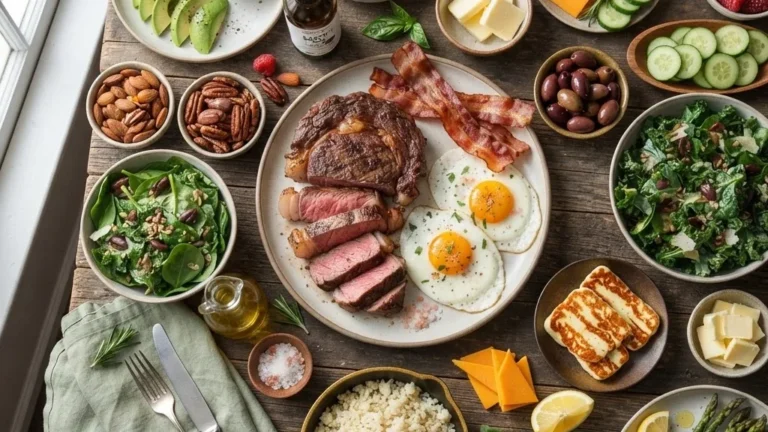

Is sauerkraut keto friendly? Yes, plain fermented sauerkraut is one of the most keto-friendly foods you can keep in the fridge, running about 1 to 2 grams of net carbs per half-cup. It is low carb, packed with probiotics, and adds a sharp, tangy crunch to fatty keto plates that badly need acidity. The only catch is the jar you buy, because a few sneaky versions add sugar and a lot of shelf-stable ones have no live cultures left.
The short answer for anyone scanning fast: a half-cup of real sauerkraut is roughly 2 grams net carbs, 5 calories, and zero added sugar, which means you can eat it daily without nudging yourself out of ketosis. Buy raw and refrigerated, skip anything labeled “Bavarian” or “sweet,” and read the sugar line on the label. That is the whole decision. Below is how to nail the brand choice, the macros, and a 2-ingredient homemade batch that costs almost nothing.
The actual carbs in sauerkraut, by portion
Cabbage is already low in carbs, and fermentation eats some of the sugars that are there, so finished sauerkraut lands very low. Plain sauerkraut runs about 1.4 grams of net carbs per 100 grams (roughly 1.8 grams per half-cup drained). A full cup is around 2 to 4 grams net carbs depending on brand and how much brine clings to it. Compare that to a slice of bread at 12 to 15 grams net carbs and you see why kraut is a keto staple, not a splurge.
Here are the macros for a standard 1/2 cup (about 70 grams) of plain, drained sauerkraut: roughly 2 grams net carbs, 2 grams fiber, 0.1 gram fat, 0.5 gram protein, 5 calories. The fiber is real and useful; net carbs are total carbs minus that fiber. Even a generous, sauerkraut-on-everything day adds maybe 6 to 8 grams net carbs, which fits inside a 20 to 30 gram keto budget with room to spare.
The hidden-sugar trap that catches people
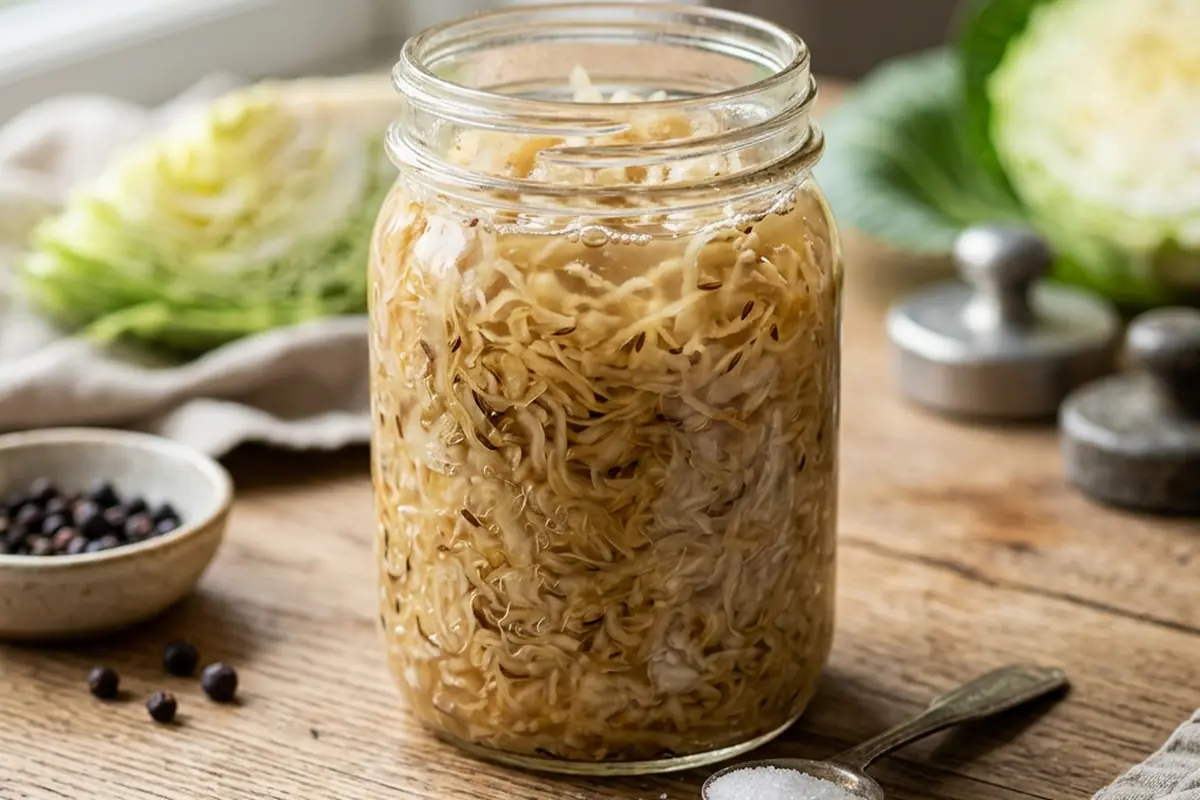
This is the part the basic articles gloss over. Not all sauerkraut is just cabbage and salt. “Bavarian style” and “sweet” sauerkrauts add sugar, sometimes apple juice or actual cane sugar, and that can push a serving from 2 grams of net carbs to 8 or more. The word “Bavarian” on the jar is your warning flag. So is a caramel-brown color and a sweet smell instead of a clean, sour one.
Reading the label takes five seconds. Look at the ingredients: you want “cabbage, salt,” maybe “water” and a spice like caraway. If you see sugar, dextrose, fruit juice, or anything ending in “-ose,” put it back. Then glance at the sugar line in the nutrition panel; real sauerkraut shows 0 to 1 gram of sugar per serving. Anything reading 4 grams of sugar or more has been sweetened, and that is carbs you did not plan for.
Raw and refrigerated versus shelf-stable: it matters more than you think
Sauerkraut comes two ways, and the difference is bigger than the price. Refrigerated, raw, unpasteurized sauerkraut (the kind in the cold case) still has live lactic-acid bacteria, the probiotics that are half the reason to eat it. Shelf-stable canned or jarred kraut sitting in the dry aisle has been pasteurized with heat, which kills those cultures. The carbs are about the same either way, so both are technically keto. But if you are eating kraut for gut health, the warm-shelf stuff is mostly just sour cabbage.
Raw and refrigerated is the better buy, every time. The flavor is brighter, the crunch is better, and the probiotics actually survive to do something. Look for “raw,” “unpasteurized,” or “live cultures” on the label, and find it in the chilled section near the other ferments. The research on fermented foods and the gut microbiome keeps getting more interesting; a readable overview lives in this review of fermented foods and health if you want the science.
Brand comparison: what to grab and what to skip
Here is a rough guide to common types you will see in a US store, with net carbs per typical serving. Always confirm against the label in your hand, since recipes change.
| Type | Net carbs (1/2 cup) | Probiotics? | Keto verdict |
|---|---|---|---|
| Raw refrigerated (cabbage + salt) | ~2 g | Yes, live | Best choice |
| Shelf-stable jarred/canned, plain | ~2 g | No (pasteurized) | Fine, no probiotics |
| “Bavarian” / sweet style | 6-10 g | Usually no | Skip on keto |
| Homemade (cabbage + salt) | ~2 g | Yes, live | Cheapest, best control |
Raw refrigerated brands like Bubbies, Wildbrine, and Cleveland Kraut keep ingredients clean and cultures live; just double-check the flavored varieties, since some add carbs. The dry-aisle canned brands are cheap and keto-safe carb-wise, they simply will not give you the probiotic upside.
How to make keto sauerkraut at home (2 ingredients)
Homemade is the move if you eat a lot of it. You need cabbage and salt, full stop, and the math is a simple ratio: 2 percent salt by weight of cabbage. Weigh your shredded cabbage in grams, multiply by 0.02, and that is your salt in grams. For a medium head, that is roughly 1.5 to 2 tablespoons of kosher salt for about 2 pounds of cabbage.
Shred the cabbage thin, toss it with the salt in a big bowl, then massage and squeeze with your hands for about 8 to 10 minutes until it goes limp and releases a pool of liquid. Pack it tight into a clean jar, pressing until the brine rises above the cabbage. Weigh it down so everything stays submerged, cover loosely, and leave it at room temperature (ideally 65 to 70 degrees F) for 1 to 3 weeks. Taste at day 7; when it is as sour as you like, move it to the fridge. Net carbs come out the same as store-bought, around 2 grams per half-cup, and you control every ingredient. Salt and fermentation do all the work.
A few notes from doing this many times. Submersion is everything: any cabbage poking above the brine can grow mold, so a small glass weight or a brine-filled zip bag laid on top keeps it under. A white, cloudy film on the surface is usually harmless kahm yeast, which you can scrape off; fuzzy green or black mold means start over. Warmer rooms ferment faster and sourer, cooler rooms slower and milder, which is why it is worth checking the taste every couple of days after day 5 rather than setting a hard timer. You can add caraway seeds, juniper, or sliced garlic for flavor at zero meaningful carb cost. Once it hits the fridge, fermentation slows to a crawl and a jar keeps for months, so a single head of cabbage gives you weeks of keto-friendly crunch for a couple of dollars.
Best ways to eat sauerkraut on keto
Sauerkraut earns its place because it cuts richness. Fatty keto food gets one-note fast, and a forkful of something sharp and sour resets your palate. Pile it on bratwurst or a burger patty, fold it into scrambled eggs, spoon it next to a fatty pork chop, or stir a little brine into a vinaigrette for free tang. A spoonful alongside avocado and smoked salmon makes a fast, gut-friendly plate.
A few combinations worth going back to. Kraut and a fried egg over a bed of greens is a two-minute breakfast that hits protein, fat, and probiotics at once. Crisp some bacon, then warm the kraut briefly in the rendered fat (gently, to keep the cultures) for a salty, smoky side under 3 net carbs. Stir a spoonful into tuna or chicken salad in place of relish; it adds crunch and tang without the sugar that relish hides. And if you make a keto Reuben-style plate, layer kraut, corned beef, and melted Swiss with a low-carb dressing for the whole sandwich experience minus the bread. The acidity is the secret weapon: it makes heavy keto meals taste lighter than they are.
It slots neatly into meal prep, too. Because it keeps for weeks and needs no cooking, it is the easiest “vegetable” to add to a packed lunch, which is why it features in these no-cook keto lunch ideas under 6 net carbs. If you are building plates from scratch, the broader keto overview of what to eat and how to stay in ketosis shows where fermented veg fits in the daily carb budget. And when you want crunch with your kraut without blowing carbs, this take on keto friendly tortilla chips pairs well as a scoop. For cooking the cabbage side of things, America’s Test Kitchen has solid vegetable technique guides worth a look.
Sauerkraut versus kimchi and other keto ferments

Sauerkraut is not the only fermented vegetable worth a spot in a keto fridge, and the differences are worth knowing. Kimchi, the Korean cousin, is also low carb but a bit higher than kraut, usually 2 to 4 grams of net carbs per half-cup, because it often includes a little sugar, garlic, and sometimes a touch of rice flour in the paste. Read kimchi labels the same way; the traditional, less-sweetened versions are the keto pick. Kimchi brings heat and depth, sauerkraut brings clean sourness, and both are worth keeping.
Pickled vegetables are a different category. Dill pickles fermented in salt brine are keto-friendly and similar to kraut. But vinegar “quick pickles” and especially bread-and-butter pickles can carry added sugar, so the same label check applies. Fermented hot sauce, pickled jalapenos, and curtido (a Latin American cabbage relish) are all low-carb options if they skip the sugar. The rule across all of them is identical: cabbage or vegetable plus salt is keto gold; anything sweetened is not.
| Ferment | Net carbs (1/2 cup) | Watch for |
|---|---|---|
| Sauerkraut (plain) | ~2 g | “Bavarian”/sweet adds sugar |
| Kimchi | 2-4 g | Added sugar, rice flour |
| Fermented dill pickles | ~1 g | Sweet/bread-and-butter styles |
| Pickled jalapenos | ~1 g | Sweetened “candied” versions |
The electrolyte angle: why kraut helps keto flu
Here is an upside the recipe sites rarely connect. The first two weeks of keto drain sodium and water, and that shortfall causes the headaches, fatigue, and cramps people call keto flu. Sauerkraut and its brine are salty by design, which makes them a quiet electrolyte helper. A half-cup of kraut plus a splash of its brine adds meaningful sodium without any carb cost, and the cabbage itself carries potassium and magnesium in small amounts.
For keto flu, three boring things help: salt your food more than feels normal, drink water, and eat something fermented and salty like sauerkraut once a day. It is not a cure-all, but the sodium from kraut and brine genuinely takes the edge off the first-week slump. Pair it with magnesium-rich foods like pumpkin seeds and you cover most of the electrolyte gap that derails new keto dieters. If you take blood-pressure medication or a diuretic, check with your doctor before loading up on salt, since some drugs already shift your electrolytes.
Common mistakes that turn kraut from keto to carb-bomb
Most people who get tripped up make one of a handful of avoidable errors. Buying by the picture on the jar instead of the ingredient list is number one; a rustic farmhouse label means nothing if sugar is in the recipe. Cooking raw kraut hard is number two; if you simmer it for an hour, you keep the carbs but kill the probiotics you paid extra for, so warm it gently or eat it cold when gut health is the point.
The third mistake is eyeballing portions. Kraut is so low carb that this rarely matters, but if you are stacking a whole cup of a sweetened brand on every meal, the sugar adds up. The fourth is throwing away the brine; that salty liquid is the best part for electrolytes and flavor, so save it for dressings and pan sauces. Avoid those four and sauerkraut is one of the most forgiving foods on the whole diet.
The one caveat: histamine and a sensitive gut
Fermented foods are high in histamine, and a small number of people get headaches, flushing, or digestive upset from them. If sauerkraut makes you feel off, that is likely why, and it has nothing to do with carbs or keto. Start with a tablespoon, not a cup, especially if you are new to ferments, since a big first dose can cause gas while your gut adjusts. Most people tolerate it fine and feel better within a week of small daily servings. If you do not, you are not failing keto; ferments just are not your thing.
FAQ
How many carbs are in sauerkraut on keto?
Plain sauerkraut has about 2 grams of net carbs per half-cup (around 1.4 grams per 100 grams). A full cup is roughly 2 to 4 grams. Sweetened “Bavarian” styles can hit 6 to 10 grams, so those are the ones to avoid.
Will sauerkraut kick me out of ketosis?
No, not in normal amounts. At 2 grams net carbs per half-cup, you would have to eat an enormous quantity to threaten a 20 to 30 gram daily carb limit. Plain sauerkraut is one of the safest vegetables for staying in ketosis.
Is canned sauerkraut keto?
Carb-wise, yes, plain canned sauerkraut is keto-friendly at about 2 grams net carbs per serving. The downside is that canning pasteurizes it, killing the live probiotics. It is fine as a low-carb side; for gut benefits, choose raw refrigerated kraut instead.
Does sauerkraut have sugar?
Real sauerkraut (cabbage and salt) has almost none, 0 to 1 gram per serving. Sweetened versions add cane sugar or fruit juice and can show 4 grams or more on the label. Check the ingredient list and the sugar line before you buy.
Is the brine from sauerkraut keto?
Yes, sauerkraut brine is essentially salt water with a little carb and live bacteria. It is great for keto because it helps with electrolytes (sodium) and digestion. A splash in a vinaigrette or sipped straight is fine; just count it as part of your sodium intake, not a carb worry.
How much sauerkraut should I eat on keto?
A quarter to half a cup a day is a sensible serving, enough for the probiotics and flavor without much carb cost. If you are new to fermented foods, start with a tablespoon to let your gut adjust, then build up.
Bottom line
Is sauerkraut keto friendly? Plain fermented sauerkraut is about as keto as a vegetable gets: roughly 2 grams of net carbs per half-cup, zero added sugar, and a dose of probiotics if you buy it raw and refrigerated. The only ways to get it wrong are buying a sweetened “Bavarian” jar or assuming the warm-shelf canned stuff has live cultures (it does not). Read the label for sugar, choose raw over pasteurized when gut health is the goal, and consider making your own at a 2 percent salt ratio for pennies. Then put it on everything fatty you eat.