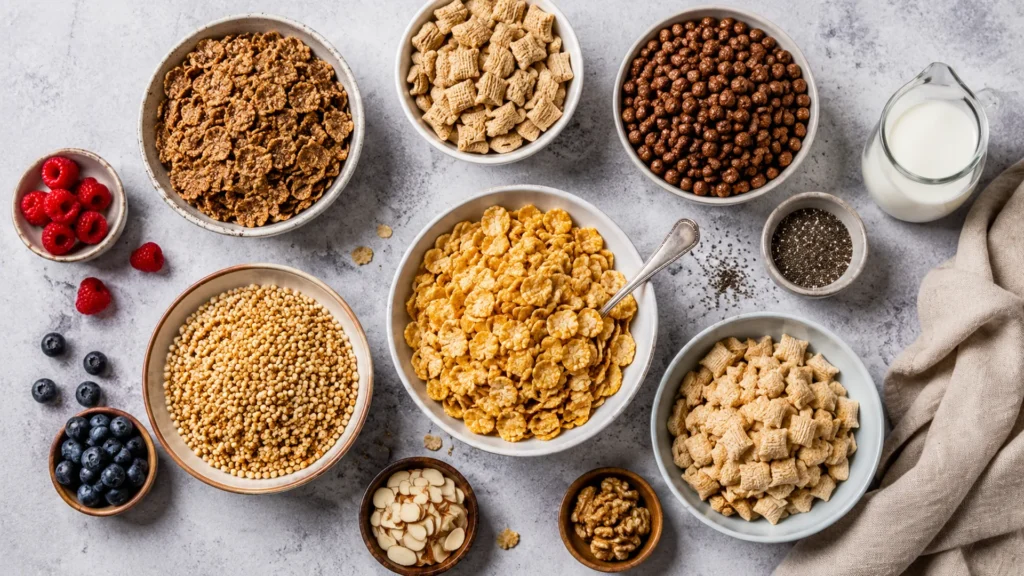
Cereal on keto sounds like a contradiction at first. Ordinary breakfast cereal is one of the most carb-dense things in the pantry, often thirty grams or more of net carbs per bowl before the milk even goes in, so a single serving can swallow your whole daily budget. No wonder beginners write it off. But you do not have to. With a purpose-built keto cereal, a homemade grain-free bowl, or the right milk, a real bowl of cereal can fit a keto morning. What follows is how regular cereal fails, what separates a genuine keto cereal from a pretender, the brands and net carbs worth knowing, the milk that quietly wrecks bowls, and a few homemade recipes, with the carbs counted as you go.
None of this is medical advice, and people tolerate things differently. But if you miss the plain comfort of a morning bowl, this is how to get it back without losing ketosis over breakfast.
Why Regular Cereal Does Not Work on Keto
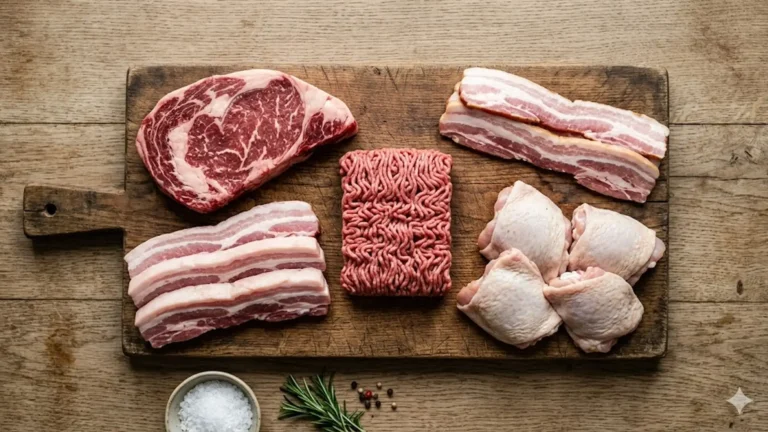
Cereal is made from grain, and grain is mostly starch that your body turns into glucose. That single fact is the whole problem. A typical bowl of corn flakes, granola, or sweetened cereal lands somewhere between twenty-five and forty grams of net carbs, and a lot of them pile added sugar on top of the grain. The healthy-sounding options do not escape this; bran flakes and oat mixes are still grain at their core, which puts them well out of keto range. Grain also brings almost no fat, so cereal pushes against the high-fat shape keto needs rather than supporting it. Pour on the milk and a breakfast that feels light can cost you more carbs than everything else you eat that day.
This is why the answer is not to find a sneaky way to fit regular cereal in, but to replace the grain base entirely. Once you swap out the grain, everything changes: net carbs drop, fat and protein rise, and a bowl of cereal becomes a breakfast that supports ketosis instead of breaking it.
What Makes a Cereal Keto-Friendly
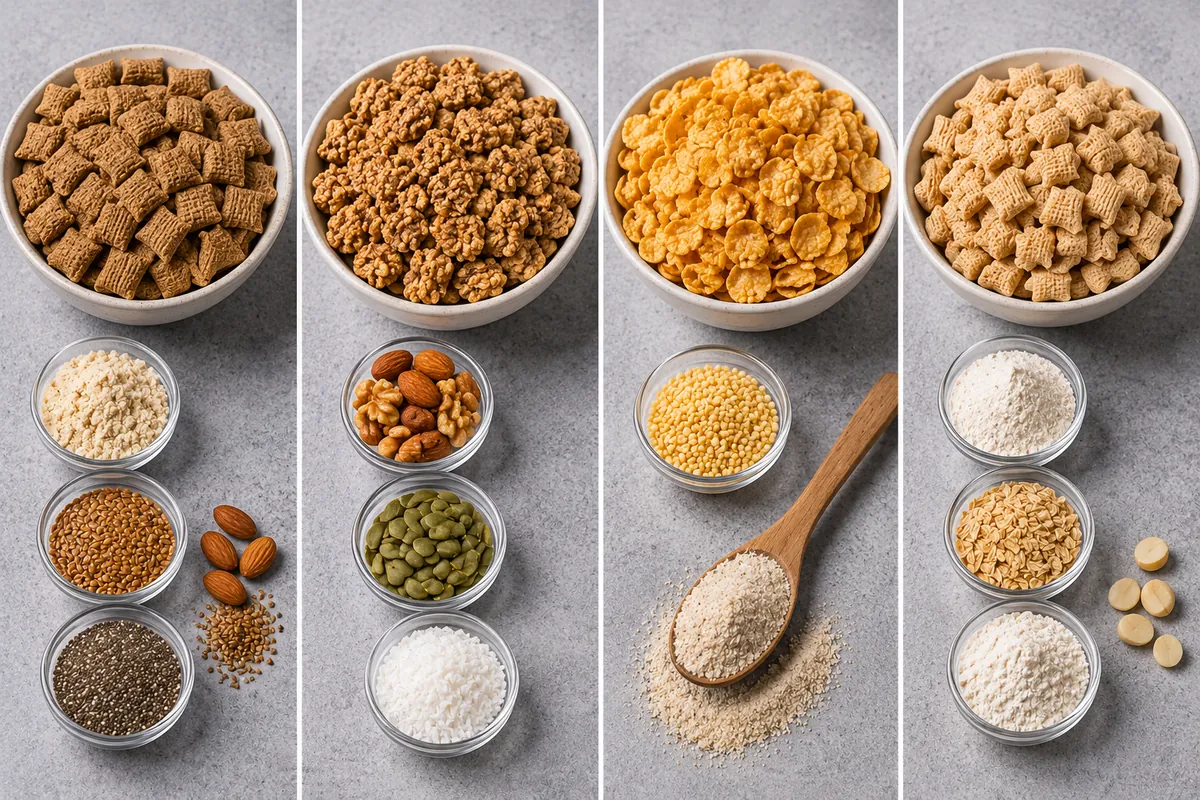
Strip away the marketing and a real keto cereal comes down to what it is made of. The base is grain-free, built from nuts, seeds, and coconut instead of wheat, corn, or oats, which is what keeps net carbs down around five grams or fewer per serving. Because of that base, it also carries far more protein and fat than ordinary cereal, and that is what makes a bowl genuinely filling rather than leaving you raiding the fridge an hour later. The last thing to check is how it is sweetened: monk fruit, erythritol, stevia, or allulose belong in a keto cereal, while plain sugar does not. A product that gets those three things right is the real deal, and one that misses any of them is usually a regular cereal with a healthy-looking label.
| What to check | Keto cereal | Regular cereal |
|---|---|---|
| Net carbs per serving | 1-5 g | 25-40 g |
| Base ingredient | Nuts, seeds, coconut | Wheat, corn, oats |
| Protein | High (10 g or more) | Low |
| Sweetener | Monk fruit, erythritol | Sugar |
The Macros Behind a Good Keto Bowl
It helps to picture what a keto cereal bowl actually delivers compared with the old version. A traditional bowl of sweetened cereal with cow’s milk is a wave of fast carbs: it spikes your blood sugar, prompts an insulin surge, and leaves you hungry again within a couple of hours as that sugar clears. A keto bowl flips the profile. The nuts, seeds, and coconut bring fat and fiber, the protein-forward cereals add real protein, and the unsweetened milk keeps the carbs near zero. The result is a breakfast that releases energy slowly, keeps blood sugar flat, and holds you until lunch. That difference in satiety is the practical reason keto cereal is worth the effort: you eat once and you are done, rather than chasing a mid-morning snack because a sugary bowl left you empty.
The fiber piece matters twice over. It lowers the net carbs of the bowl, and it supports digestion, which is something keto beginners often struggle with when they first cut grains. A homemade bowl heavy in chia, flax, and nuts can deliver six or eight grams of fiber alongside its fat, which is why those simple grain-free bowls often beat the boxed products on both nutrition and cost.
Store-Bought Keto Cereal Brands and Net Carbs
Several brands now make cereal that fits keto, and knowing the rough net carbs helps you choose. Magic Spoon runs about three to four grams of net carbs per serving with around eleven to fourteen grams of protein, made from a milk-protein blend. Catalina Crunch lands near five grams of net carbs with roughly eleven grams of protein and a high fiber count. Lakanto keto granola comes in around two grams of net carbs with plenty of fat from nuts and coconut. NuTrail nut granola is similar, near two grams of net carbs and high in fat. At the very low end, some protein-forward cereals reach one gram of net carbs with very high protein. Watch out for products that sound keto but are not, like certain coconut crunch or grain-blend cereals that still carry ten to twelve grams of net carbs per serving, which is too high for strict keto. Always confirm the number on the panel, since formulas and serving sizes vary widely.
The Milk Problem Nobody Mentions
Even a perfect keto cereal can get derailed by the milk you pour on it. Regular cow’s milk carries about twelve grams of carbs per eight-ounce cup, almost all from milk sugar, so a generous splash can add more carbs than the cereal itself. The fix is a low-carb milk alternative. Unsweetened almond milk runs about one gram of net carbs per cup. Unsweetened coconut milk from a carton is similarly low. Unsweetened cashew milk and macadamia milk are also fine. The crucial word on any of these is unsweetened, because the sweetened versions add sugar and undo the point. Heavy cream thinned with water is another rich, near-zero-carb option that makes a cereal bowl feel indulgent. Switch the milk and you protect the low-carb math of the whole bowl.
The same logic applies to anything you splash into the bowl. Sweetened plant milks, flavored creamers, and barista-style oat milk can carry as much sugar as cow’s milk or more, so they undo the work the cereal is doing. Read the carton the way you read the cereal box, and look specifically for the word unsweetened plus a net carb count near one gram per cup. Once you have a low-carb milk you like sitting in the fridge, the milk question stops being a daily decision and the whole routine gets simpler.
Easy Homemade Keto Cereal
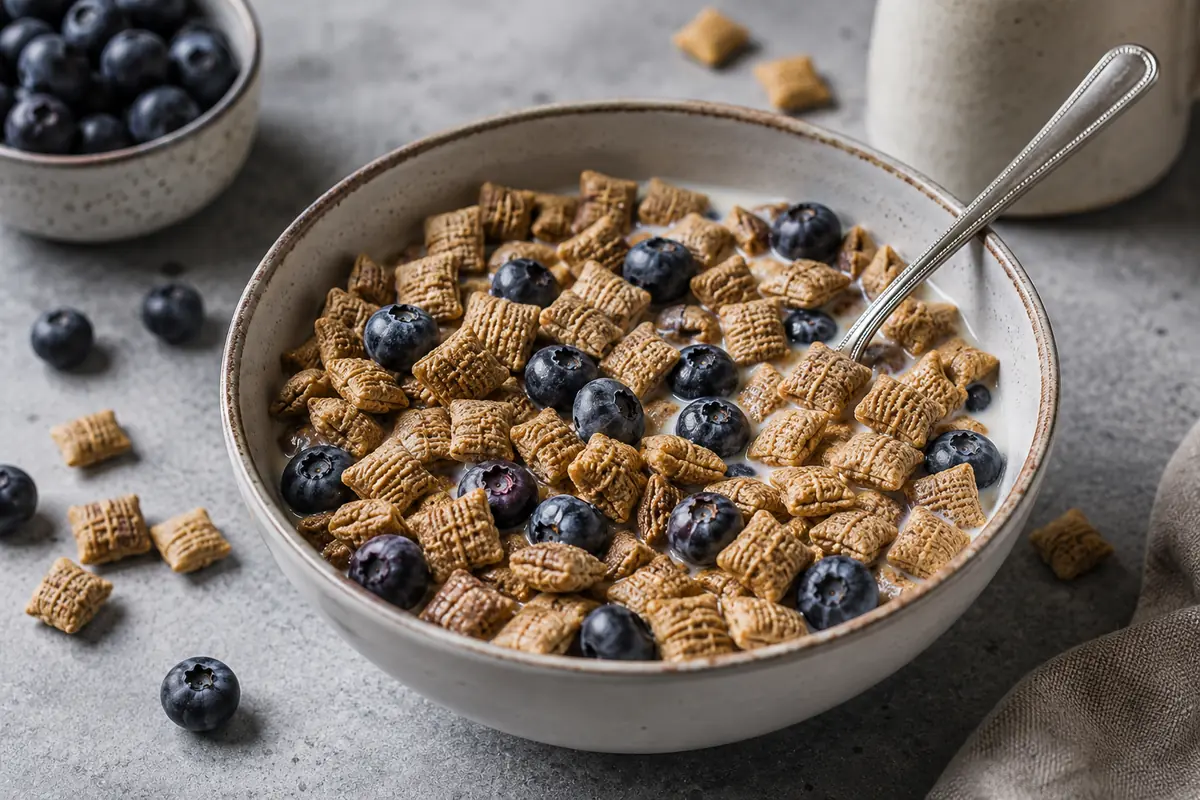
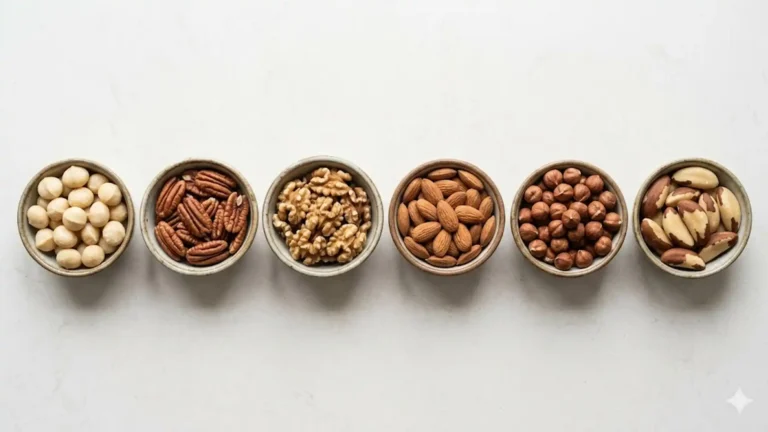
You do not need a box at all, because homemade keto cereal is quick, cheap, and fully under your control. The simplest version is a nut-and-seed bowl: combine chopped almonds, pecans, walnuts, and pumpkin or sunflower seeds with unsweetened coconut flakes, pour over cold almond milk, and add a few drops of monk fruit if you want sweetness. That bowl can land around four to six grams of net carbs with loads of fat and fiber. For a granola-style crunch, toss those same nuts and seeds with melted butter or coconut oil and a keto sweetener, then bake at a low temperature until golden, stir in cinnamon, and store it for the week.
Two-minute chia cereal
Stir three tablespoons of chia seeds into a cup of unsweetened almond milk with a little monk fruit and a pinch of cinnamon, then let it sit until it thickens into a porridge. It runs roughly four grams of net carbs with strong fiber and omega-3 fats, and it eats like a warm or cold cereal depending on your mood.
Warm coconut porridge
Simmer a quarter cup of coconut flour or ground flax with a cup of unsweetened coconut milk, a pat of butter, and a keto sweetener until it thickens into a hot cereal. Top with a few berries or chopped nuts. This makes a cozy, oatmeal-style bowl at around five grams of net carbs.
Fitting Cereal Into Your Daily Carbs
Keto cereal is low-carb, not no-carb, so it still has to fit your day. If a bowl of cereal plus milk comes to six grams of net carbs and your ceiling is twenty, that is a reasonable spend on breakfast as long as the rest of the day leaves room. The trap is portion size: cereal is famously easy to over-pour, and two servings of even a great keto cereal can double the carbs you planned for. Measure your serving until you know what it looks like. Pairing cereal with a fat and protein source, a few nuts, a spoon of nut butter, or a side of eggs, also slows digestion and keeps you full longer, which makes the whole breakfast work better. For help setting that daily ceiling, see our guide on how many carbs a day on keto, and because the fiber in nuts, seeds, and chia is what keeps these bowls low in net carbs, our notes on how to get fiber on keto are worth a read. For granola technique and flavor ideas you can adapt to low carb, food authorities like Bon Appetit have a deep recipe archive, and America’s Test Kitchen tests the methods that make a nut-based granola crisp.
Make-Ahead Keto Cereal for Busy Mornings
The reason regular cereal is popular is convenience, and you can match that on keto with a little prep. Mix a big batch of your nut-and-seed blend or bake a tray of keto granola on the weekend, then store it in an airtight jar so a grab-and-pour breakfast is ready all week. The dry mix keeps for a couple of weeks at room temperature, longer in the fridge, and you just add cold unsweetened milk when you want a bowl. Chia pudding works the same way: stir up several jars at once, refrigerate them, and you have ready-made cereal-style breakfasts for three or four mornings. Keeping the prep done in advance is what stops a busy weekday from pushing you back toward a sugary box, because the keto option is already waiting in the cupboard or the fridge.
Toppings let you vary the same base so it never gets dull. A few raspberries or blackberries add a touch of natural sweetness for around two to three grams of net carbs per quarter cup. A spoon of nut butter stirred in adds richness and staying power. Cinnamon, unsweetened cocoa, vanilla extract, or a pinch of sea salt change the character of the bowl entirely without adding carbs. With a base mix and a handful of toppings on hand, one batch of keto cereal can feel like a different breakfast every day of the week.
Watching for Sneaky Carbs and Sweeteners
A couple of things deserve a careful eye on keto cereal. Some products list net carbs prominently but lean heavily on maltitol, a sugar alcohol that raises blood sugar more than monk fruit or erythritol and can upset digestion, so check which sweetener is used. Others bury starchy fillers or grain blends behind keto branding, which pushes the real carb count higher than the front of the box suggests. Serving sizes can be tiny, making the per-serving numbers look better than a realistic bowl. Reading the full panel and the ingredient list, not just the headline net carb claim, keeps these surprises from creeping into your day. When in doubt, a homemade bowl of nuts, seeds, and unsweetened milk sidesteps all of it.
Sugar alcohols deserve one more note because they confuse a lot of people. Erythritol, monk fruit, and allulose have little to no effect on blood sugar and are generally well tolerated, which is why they are the preferred keto sweeteners. Maltitol is different: it behaves much more like sugar, raises blood glucose meaningfully, and is a common cause of the digestive upset people blame on keto products generally. If a cereal lists maltitol and you find a bowl spikes your energy or bothers your stomach, that ingredient is the likely culprit. Choosing products sweetened with monk fruit or erythritol instead usually solves both problems at once.
Frequently Asked Questions
Can you eat cereal on keto?
Yes, as long as it is a keto-friendly cereal or a homemade grain-free bowl. Regular cereal made from wheat, corn, or oats is far too high in carbs, but cereals built from nuts, seeds, and coconut at five grams of net carbs or fewer fit keto well, especially paired with unsweetened almond or coconut milk.
What is the lowest-carb cereal?
Protein-forward keto cereals reach as low as one to two grams of net carbs per serving, and homemade chia or nut-and-seed bowls land around four to five grams. Granola-style keto cereals from nuts and coconut often sit near two grams. Always confirm the count on the package, since formulas differ.
What milk can I use for keto cereal?
Use unsweetened almond, coconut, cashew, or macadamia milk, all around one gram of net carbs per cup, or heavy cream thinned with water. Avoid regular cow’s milk, which carries about twelve grams of carbs per cup and can add more carbs than the cereal itself. The word unsweetened is essential.
Is oatmeal keto?
Traditional oatmeal is not keto, since oats are a grain and a serving carries around twenty-seven grams of net carbs. A keto alternative is a hot porridge made from coconut flour, ground flax, or chia simmered in unsweetened coconut milk, which gives the warm, creamy feel of oatmeal at roughly five grams of net carbs.
Will keto cereal kick me out of ketosis?
A genuine keto cereal at one to five grams of net carbs per serving will not, as long as you stick to a normal portion and use a low-carb milk. The risk comes from over-pouring, choosing a product that is keto in name only, or adding regular milk. Measure your serving and check the milk to stay safe.
Is Magic Spoon actually keto?
Magic Spoon is one of the more keto-friendly boxed options, at around three to four grams of net carbs and high protein from a milk-protein base, sweetened with keto sweeteners rather than sugar. It fits a keto day in a normal portion. As with any product, check the current panel, since recipes can change.
Can I make keto granola at home?
Yes, and it is one of the easiest keto recipes. Toss chopped almonds, pecans, walnuts, pumpkin seeds, and unsweetened coconut flakes with melted butter or coconut oil and a keto sweetener, spread on a tray, and bake at a low temperature until golden. Cool it so it crisps, then store it. A serving runs around two to four grams of net carbs and keeps for a couple of weeks.
How much keto cereal can I eat?
Stick to the listed serving and you can enjoy a bowl daily. The number on the box assumes a measured portion, and keto cereal is genuinely easy to over-pour, so two or three helpings can quietly double or triple your carbs. Measure the first few times until you can judge a serving by eye, and pair it with a fat or protein to stay full longer.