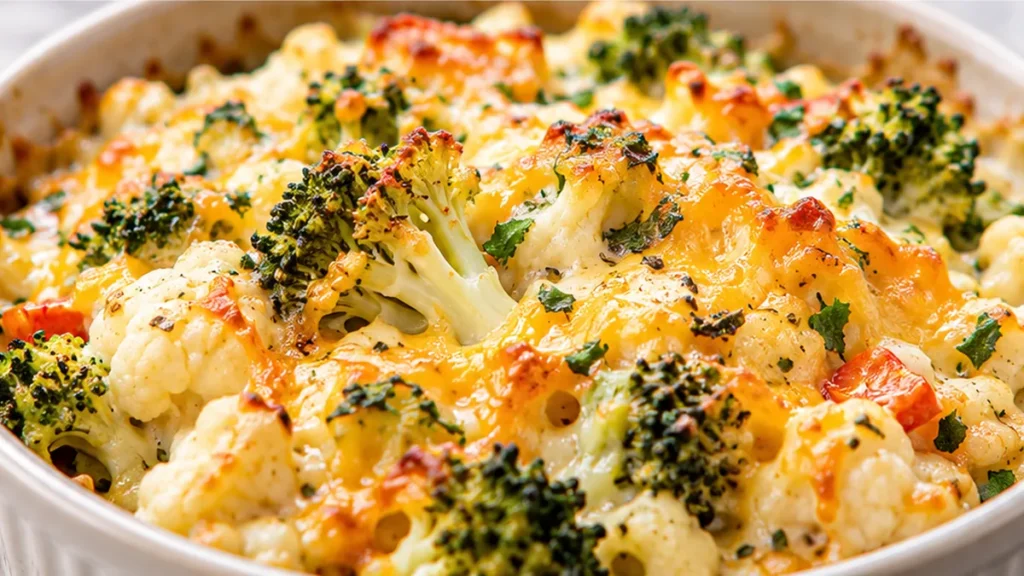
Broccoli casserole is a classic comfort food, but this version takes it to a healthier, more flavorful level. By using cauliflower rice as the base, we cut down on carbs without sacrificing the creamy, cheesy goodness everyone loves. This recipe is perfect for busy weeknights when you need a nutritious side dish that still feels like a treat. This cauliflower rice broccoli casserole is designed to be simple yet satisfying. It combines tender broccoli florets with a creamy, flavorful sauce and a generous amount of sharp cheddar cheese, all baked to golden perfection. It’s a dish that even picky eaters will devour.
Key takeaways
- Use aged cheddar for a richer flavor.
- Monitor cooking time to avoid overcooking vegetables.
- Consider ingredient swaps for different flavor profiles.
- Retain moisture by covering the casserole while baking.
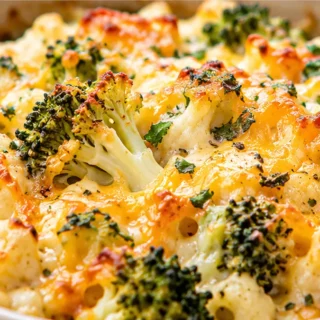
Cheesy Cauliflower Broccoli Casserole
Ingredients
- 5 cups Cauliflower Florets
- 1 tablespoon Oil
- 1 tablespoon Garlic (chopped)
- 1 Jalapeno (finely chopped)
- 1/2 cup Carrots (chopped)
- 1 tablespoon Dried Oregano
- 1 tablespoon Paprika
- 1 teaspoon Salt
- 3/4 cup Half and Half
- 1 cup Cheddar (grated)
Instructions
- Add all the cauliflower florets to a food processor and pulse a few times till the cauliflower resembles small bits like rice.
- Heat oil in a large pan and add garlic, jalapenos, and carrots. Sauté for 1-2 minutes on high heat, then add the riced cauliflower, oregano, paprika, and salt. Stir-fry for 3-4 minutes until the cauliflower is soft but not mushy.
- Take a cup of this cauliflower mixture (reserve the rest) and blend with half and half. Add a splash of water or stock if needed to loosen the mixture.
- Preheat the oven to 200 C/400 F.
- Mix together the reserved cauliflower mixture, the cauliflower puree, broccoli, and cheddar, and transfer to a baking pan.
- Top with grated mozzarella and jalapeno slices, if using, and bake for 45 minutes. Serve immediately.
Notes
Understanding the Role of Cauliflower and Broccoli in the Casserole
Cauliflower and broccoli are both members of the cruciferous vegetable family and are known for their health benefits. They are low in calories and high in fiber, vitamins C and K, and antioxidants. When baked in a casserole, these vegetables retain their texture while absorbing flavors from the cheese and spices. The combination of these two vegetables not only enhances the nutritional profile of the dish but also provides a pleasing contrast in texture. The cauliflower acts as a creamy base, while the broccoli adds a slight crunch, making each bite enjoyable.
The Importance of Cheese in Flavor Development
Cheddar cheese is the star of this casserole, contributing a rich, creamy texture and a sharp flavor that balances the mildness of the vegetables. The melting point of cheddar is around 65°C (149°F), which means it melts beautifully when baked, creating a cohesive sauce that coats the vegetables. This emulsion of cheese and half-and-half is crucial for achieving that luscious, creamy consistency. Additionally, the Maillard reaction occurs during baking, enhancing the flavor through browning. For optimal flavor, consider using aged cheddar, which has a stronger taste and can elevate the overall dish.
Common Issues and Their Solutions
- Issue: Casserole is too watery.
- Cause: Excess moisture from the vegetables.
- Fix: Ensure to drain excess water after cooking the vegetables or reduce the amount of half-and-half.
- Issue: Casserole lacks flavor.
- Cause: Insufficient seasoning or bland cheese.
- Fix: Add more salt, spices, or even a splash of hot sauce to enhance the flavor profile.
- Issue: Vegetables are overcooked.
- Cause: Extended cooking time.
- Fix: Monitor the cooking time closely, as the vegetables should be tender but still retain some bite.
- Issue: Casserole is dry.
- Cause: Too much cooking time or not enough liquid.
- Fix: Cover the casserole with foil during the initial baking to retain moisture, and check for doneness early.
Ingredient Swaps and Their Effects
- Swap: Use mozzarella instead of cheddar.
- Effect: The dish will be milder and stretchier, lacking the sharpness of cheddar.
- Swap: Replace half-and-half with heavy cream.
- Effect: The casserole will be richer and creamier but also higher in calories.
- Swap: Add spinach instead of carrots.
- Effect: The dish will have a different flavor profile and a darker color, but will still be nutritious.
- Swap: Omit jalapeño for a milder dish.
- Effect: Reduces spiciness but may also lessen the complexity of flavors.
Unique Aspects of This Casserole
This cheesy cauliflower broccoli casserole stands out due to its combination of textures and flavors, enhanced by the spices used. The use of jalapeño adds a subtle heat that is not commonly found in traditional casseroles, while the dried oregano and paprika bring an aromatic quality that complements the cheese. This dish can easily serve as a side or a main course, making it versatile for various meals. Its creamy texture, combined with the slight crunch of the vegetables, creates a satisfying dish that appeals to both adults and children alike.
How to Prepare the Casserole in Advance for Easy Weeknight Meals
Preparing the Cheesy Cauliflower Broccoli Casserole in advance can save time and ensure a delicious meal is ready when you need it. To make this dish ahead of time, assemble the casserole without baking it. Cover it tightly with plastic wrap or aluminum foil and store it in the refrigerator for up to 24 hours. When ready to bake, remove the cover and allow it to sit at room temperature for about 30 minutes before placing it in the preheated oven. This helps to ensure even cooking. If you need to store it longer, consider freezing it. Wrap the assembled casserole tightly in plastic wrap and then in aluminum foil. It can be frozen for up to three months. When ready to use, thaw it in the refrigerator overnight and bake as directed. Note that the texture may change slightly after freezing, but the flavors will remain intact.
Scaling the Recipe: Adjusting Portions for Different Needs
Scaling the Cheesy Cauliflower Broccoli Casserole recipe is straightforward and allows you to cater to different serving sizes. If you want to double the recipe, simply double all the ingredients. However, consider the size of your baking dish; you may need to use a larger dish or bake in two separate dishes. For smaller portions, halve the ingredients and use a smaller baking dish. Keep in mind that cooking times may vary slightly with different sizes. For example, a larger casserole may require additional baking time to ensure the center is heated through, while a smaller one may cook faster. Always check for doneness by ensuring the cheese is bubbly and golden brown, and the vegetables are tender.
Choosing the Right Equipment for Optimal Results
The choice of baking dish can significantly impact the outcome of your Cheesy Cauliflower Broccoli Casserole. For best results, use a glass or ceramic baking dish, as these materials distribute heat evenly and promote even cooking. Metal pans can cause the edges to cook faster, potentially leading to burnt edges while the center remains undercooked. Additionally, if you have a convection oven, consider using it for this recipe. The circulating air can help achieve a perfectly browned top while keeping the vegetables tender. If using a convection oven, reduce the baking temperature by about 20°C (or 25°F) to prevent over-browning.
Serving Suggestions and Pairing for a Complete Meal
Serving the Cheesy Cauliflower Broccoli Casserole can be enhanced by pairing it with complementary dishes. This casserole pairs well with a crisp green salad dressed with a light vinaigrette, which balances the richness of the cheese. For a heartier meal, consider serving it alongside grilled chicken or fish, which adds protein and variety to your plate. Additionally, a side of whole-grain bread can help soak up any extra cheese sauce, making for a satisfying meal. If you want to elevate the dish further, consider garnishing the casserole with fresh herbs like parsley or chives before serving, adding a pop of color and freshness.
Understanding the Storage and Reheating of Broccoli Casserole
Storing and reheating a cheesy cauliflower broccoli casserole can significantly affect its texture and flavor. When properly stored in an airtight container, this casserole can last in the refrigerator for up to three to four days. However, the quality may diminish over time, as the cheese can become rubbery and the vegetables may lose their crispness. To reheat, it’s best to do so in the oven at 175°C (350°F) for about 20-25 minutes, covering it with foil to retain moisture. This method helps to revive the dish’s original creaminess and prevent drying out. For longer storage, freezing is an option; the casserole can be frozen for up to three months. Just ensure it’s tightly wrapped to avoid freezer burn. When ready to eat, thaw it overnight in the refrigerator before reheating.
Scaling Your Cheesy Cauliflower Broccoli Casserole for Larger Gatherings
Scaling a cheesy cauliflower broccoli casserole recipe is straightforward and can be beneficial for gatherings or meal prep. The key is to maintain the same ratios of ingredients. For instance, if you want to double the recipe, simply use 10 cups of cauliflower florets and adjust the rest of the ingredients accordingly. Keep in mind that cooking times may vary; larger batches may require additional time in the oven. Monitor the casserole closely and use a food thermometer to ensure it reaches an internal temperature of 74°C (165°F). Additionally, consider using a larger baking dish to allow for even cooking. This adjustment helps to ensure that every layer of the casserole cooks uniformly, enhancing the overall flavor and texture.
Optimal Cheese Melting Techniques for Creaminess
The choice of cheese and how it is melted plays a crucial role in achieving the desired creaminess of your cheesy cauliflower broccoli casserole. Cheddar cheese, which is the primary cheese in this recipe, should be grated to ensure it melts evenly. The ideal melting temperature for cheddar is around 65°C (150°F). If the cheese is added too early or at too high a temperature, it can become oily and separate. To avoid this, consider adding the cheese towards the end of the cooking process, allowing it to melt gently with the residual heat. This method helps maintain a smooth and creamy texture, enhancing the overall mouthfeel of the casserole.
Additionally, incorporating a small amount of cream or half-and-half, as specified in the recipe, not only aids in the melting process but also contributes to a richer flavor profile. The ratio of cheese to liquid should be approximately 3:1 for the best results. Experimenting with different types of cheeses, such as Gruyère or Monterey Jack, can also yield interesting flavor variations, but be mindful of their melting properties. Each cheese behaves differently when heated, which can affect the final texture of your casserole.
Understanding the Impact of Fresh Ingredients on Flavor
The quality of the vegetables used in your cheesy cauliflower broccoli casserole significantly influences the dish’s flavor and texture. Fresh, seasonal vegetables not only taste better but also provide superior nutritional value. For instance, using fresh broccoli florets that are vibrant green and firm will enhance the dish’s visual appeal and taste. In contrast, older broccoli may be yellowing and less flavorful, which can lead to a less enjoyable casserole.
When selecting cauliflower, look for heads that are compact and free of blemishes. Fresh cauliflower has a subtle sweetness that complements the richness of the cheese. Seasonal vegetables can also be varied; for example, using fresh spinach or kale in place of some of the broccoli can add a different layer of flavor while maintaining the nutritional balance. The cooking method also affects the freshness perception; lightly steaming or sautéing the vegetables before adding them to the casserole can preserve their vibrant colors and flavors. Ultimately, using the freshest ingredients will yield a more delicious and satisfying casserole.
Pro tips
- Ensure cauliflower is riced, not pureed, for texture.
- Don’t overcook the cauliflower mixture before baking.
- Adjust paprika to your spice level.
- For extra creaminess, use heavy cream instead of half and half.
Enjoy this flavorful and healthy twist on a classic casserole. It’s a delicious way to get more veggies on your plate!
Frequently asked questions
Can I prepare the casserole in advance?
Yes, you can prepare the casserole ahead of time. Assemble it, cover it tightly, and store it in the refrigerator for up to 24 hours before baking. Just add a few extra minutes to the baking time if it’s cold from the fridge.
What can I serve with this casserole?
This casserole pairs well with a simple green salad or roasted meats. It can also be served alongside grains like quinoa or brown rice for a complete meal.
Can I freeze the cheesy cauliflower broccoli casserole?
Yes, you can freeze this casserole. Allow it to cool completely, then wrap it tightly in plastic wrap and aluminum foil. It can be frozen for up to three months. Thaw in the refrigerator before baking.
How do I know when the casserole is done?
The casserole is done when the cheese is bubbly and golden brown on top, and the vegetables are tender when pierced with a fork. This usually takes about 25-30 minutes at 180°C (350°F).
More from Keto Sides & Veggies →