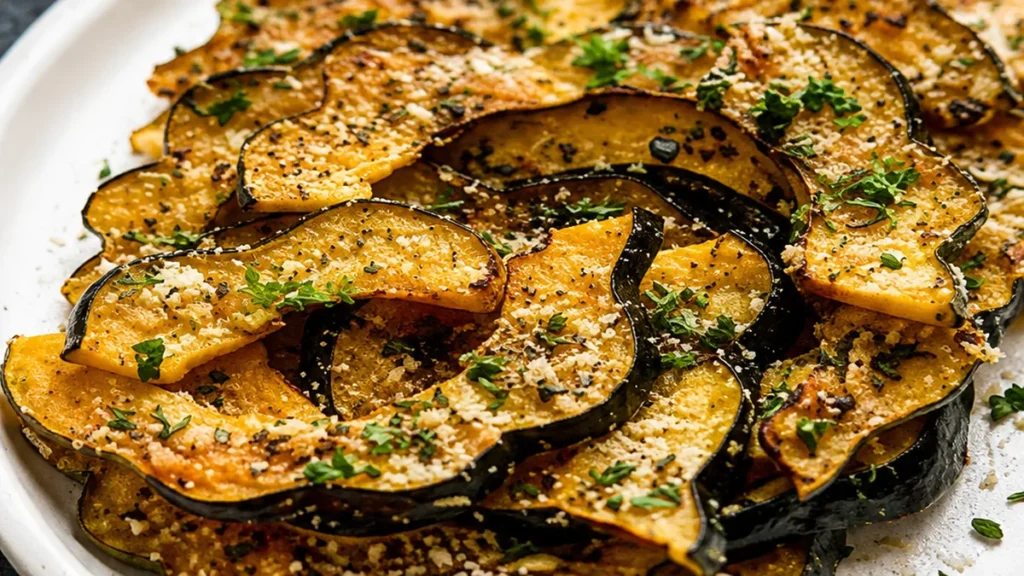
Crispy parmesan acorn squash is a simple yet flavorful dish. Roasting brings out the natural sweetness of the squash, enhanced by a crispy parmesan topping.
Key takeaways
- Moisture control is key for achieving crispiness.
- Cut acorn squash into uniform slices for even cooking.
- Consider flavor enhancements like smoked paprika or garlic powder.
- Broil for a few minutes at the end for extra crispiness.
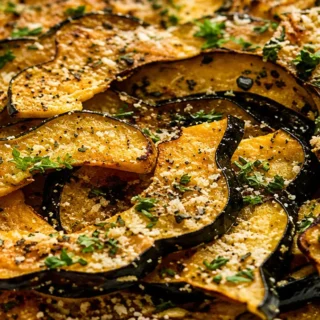
Crispy Parmesan Acorn Squash
Ingredients
Instructions
- Preheat oven to 400°F (200°C) and line baking sheets with parchment paper.
- Cut the squash in half and scoop out the seeds, then slice into ½-inch thick pieces.
- In a bowl, mix grated Parmesan, fresh herbs, melted butter, garlic powder, and fine salt.
- Toss until well combined and spread squash pieces on the baking sheet.
- Press half of the Parmesan mixture onto one side of each squash piece, then flip and repeat.
- Bake for about 25 minutes until tender and crispy.
- Garnish with additional Parmesan and herbs, serve warm.
Understanding the Texture: Why Crispy Matters
The key to achieving the perfect crispy texture in Parmesan acorn squash lies in moisture control. Acorn squash has a high water content, typically around 90%. To combat this, roasting at a high temperature (around 425°F or 220°C) allows for rapid moisture evaporation, promoting crispiness. Additionally, the use of a generous amount of Parmesan cheese not only adds flavor but also contributes to a crunchy crust due to the Maillard reaction, which occurs best at temperatures above 300°F (150°C).
Preventing Soggy Squash: Common Pitfalls
Soggy acorn squash can be a disappointment. If your squash turns out mushy, it may be due to not cutting the squash into uniform slices, leading to uneven cooking. Aim for slices around 1/2 inch thick to ensure they cook evenly. Another common issue is overcrowding the baking sheet; this can trap steam and prevent crisping. Always leave space between the slices to allow hot air to circulate.
Flavor Enhancements: Beyond Parmesan
While Parmesan cheese is a star ingredient, consider adding other seasonings to elevate the dish. For instance, a sprinkle of smoked paprika can introduce a subtle smokiness, while garlic powder adds depth. You could also swap out Parmesan for Pecorino Romano for a sharper flavor. However, keep in mind that Pecorino is saltier, so adjust the salt in your recipe accordingly.
Timing Your Roast: Achieving the Perfect Cook
Cooking time is crucial for perfect crispy Parmesan acorn squash. Typically, roasting should take about 25-30 minutes. To check for doneness, pierce a slice with a fork; it should be tender yet firm. If you prefer an extra crispy texture, consider broiling for the last 2-3 minutes of cooking. Keep a close eye during broiling to prevent burning.
The Unique Appeal of Acorn Squash
Acorn squash is distinct from many other squash varieties due to its sweet, nutty flavor and unique texture. Unlike butternut or spaghetti squash, acorn squash holds its shape when roasted, making it ideal for achieving that crispy exterior. Its skin is also edible, providing additional nutrients and fiber, which is not the case for all squash types.
How to Prepare Acorn Squash for Optimal Crispiness
To achieve the perfect crispy parmesan acorn squash, the preparation of the squash is critical. Start by selecting firm, unblemished acorn squash. Cut them into even slices, ideally around 1/2 inch thick. This thickness allows for a balance of tender flesh and crispy edges. The next step is to remove the seeds and any stringy insides, which can trap moisture and lead to sogginess. Once cut, lightly salt the slices and let them rest for about 15-20 minutes. This process draws out excess moisture, enhancing the crispiness during roasting. Pat the slices dry with a paper towel before proceeding with the recipe.
Choosing the Right Equipment for Perfect Roasting
The equipment you use can significantly impact the outcome of your crispy parmesan acorn squash. A heavy-duty baking sheet or a cast-iron skillet is ideal for even heat distribution. Line the baking sheet with parchment paper to prevent sticking and facilitate easy cleanup. If you have a convection oven, consider using it; the fan circulates hot air, promoting even cooking and enhancing crispiness. Additionally, avoid overcrowding the pan; give each slice enough space to allow air to circulate, which is crucial for achieving that desired crunch.
Scaling the Recipe for Different Occasions
This recipe can easily be scaled up or down depending on the number of servings needed. For larger gatherings, simply multiply the ingredients while keeping the same roasting time. However, if preparing a smaller batch, ensure that the slices remain evenly spaced on the baking sheet. If you are reducing the quantity, consider adjusting the parmesan and seasoning to maintain flavor balance. Keep in mind that cooking times may vary slightly based on the thickness of the slices and the oven’s characteristics, so monitor them closely as they roast.
How Seasonal Changes Affect Acorn Squash Quality
The quality of acorn squash can vary significantly with the seasons. In the fall, acorn squash is at its peak, characterized by a sweet flavor and firm texture, ideal for roasting. When selecting squash in the off-season, look for those that feel heavy for their size and have a hard, unblemished skin. If the squash is overly soft or has blemishes, it may not roast well and could result in a mushy texture. Additionally, the freshness of your parmesan cheese can impact the overall flavor; using freshly grated cheese will yield better results than pre-packaged versions.
How to Store Leftover Crispy Parmesan Acorn Squash
Proper storage of leftover crispy parmesan acorn squash is crucial to maintain its texture and flavor. Once cooled, store the squash in an airtight container in the refrigerator. It is best consumed within 3-4 days. To reheat, use an oven or air fryer rather than a microwave to help restore some of its crispiness. Preheat your oven to 350°F (175°C) and heat for about 10-15 minutes, or until warmed through and crispy again.
Choosing the Right Equipment for Consistent Results
The type of baking sheet you use can significantly affect the outcome of your crispy parmesan acorn squash. A heavy-duty, rimmed baking sheet allows for better heat distribution and prevents warping, which can lead to uneven cooking. Additionally, using parchment paper can help in achieving a crispier texture by promoting even browning and preventing sticking. If you have a convection oven, using it can also enhance crispiness by circulating hot air around the squash.
Pairing Suggestions for Enhanced Flavor
Crispy parmesan acorn squash pairs beautifully with a variety of dishes. Consider serving it alongside roasted meats like chicken or pork, where the savory flavors complement each other. For a vegetarian option, it goes well with quinoa or farro salads, adding a delightful crunch and richness. Drizzling with a balsamic reduction or serving with a yogurt-based dip can elevate the dish further, adding acidity and creaminess that balance the richness of the parmesan.
How to Prepare Crispy Parmesan Acorn Squash for Make-Ahead Convenience
Preparing crispy parmesan acorn squash ahead of time can be a game-changer for meal planning. To make this dish in advance, roast the acorn squash slices until they are just tender but not fully crisped, about 20-25 minutes at 400°F (200°C). Allow them to cool completely before storing. Place the partially cooked slices in an airtight container, separating layers with parchment paper to prevent sticking, and refrigerate for up to three days.
When ready to serve, preheat your oven to 425°F (220°C) and sprinkle the parmesan cheese on top. Bake for an additional 10-15 minutes until the cheese is golden and crispy. This method allows you to enjoy the dish with minimal effort on busy days while still achieving that desired crispiness.
Understanding the Impact of Ingredient Quality on Crispy Parmesan Acorn Squash
The quality of your ingredients plays a crucial role in the final outcome of crispy parmesan acorn squash. Fresh, in-season acorn squash will yield a sweeter, more flavorful result compared to out-of-season varieties, which may be bland and watery. When selecting your squash, look for firm, unblemished skin with a rich color. Additionally, the type of parmesan cheese used can significantly affect both taste and texture. Opt for freshly grated parmesan instead of pre-packaged varieties, as the latter often contain anti-caking agents that can hinder browning and crispiness.
Moreover, using high-quality olive oil can enhance the flavor profile of your dish. Extra virgin olive oil, with its robust flavor and lower acidity, can contribute to a more pronounced taste, making your crispy parmesan acorn squash even more delicious. Remember that the temperature at which you roast also influences the final texture; starting at a higher temperature helps to create that coveted crispy exterior.
How to Scale Crispy Parmesan Acorn Squash for Larger Gatherings
Scaling your crispy parmesan acorn squash recipe for larger gatherings can be straightforward, but it requires careful attention to cooking times and temperatures. When doubling or tripling the recipe, ensure that you have sufficient oven space to accommodate more trays. It’s crucial to maintain even heat circulation, so avoid overcrowding the baking sheets. If scaling beyond two or three squashes, consider roasting them in batches. This allows for consistent crispiness across all pieces. Additionally, monitor the cooking time; larger batches may require an additional 5-10 minutes in the oven, but check for doneness by piercing the squash with a fork. The internal temperature should reach around 200°F (93°C) for optimal tenderness while ensuring the exterior remains crispy.
Understanding the Role of Oven Type in Achieving Crispiness
The type of oven you use can significantly influence the crispiness of your crispy parmesan acorn squash. Conventional ovens, which rely on radiant heat, may not distribute heat as evenly as convection ovens, which circulate hot air for more uniform cooking. If using a conventional oven, consider rotating your baking sheets halfway through the cooking time to ensure even browning. If using a convection oven, you might reduce the temperature by about 25°F (14°C) to prevent over-browning. Additionally, using a baking stone or steel can help retain heat and promote a crispier bottom. Pay attention to the oven’s preheating time; a well-preheated oven (around 425°F or 220°C) is crucial for achieving that desirable crispy texture.
Pro tips
Pro tip: Best served immediately while hot!
Frequently asked questions
How do I know when the acorn squash is done?
The acorn squash is done when it is tender but still holds its shape. You can test this by piercing a slice with a fork; it should slide in easily but not fall apart.
Can I use a different type of cheese?
Yes, you can use other cheeses like Pecorino Romano for a sharper flavor. However, remember that Pecorino is saltier, so adjust the salt in your recipe accordingly.
What can I do if my acorn squash isn’t crispy?
If your acorn squash isn’t crispy, ensure you are cutting it into uniform slices and not overcrowding the baking sheet. Additionally, consider increasing the roasting temperature or broiling briefly at the end for added crispiness.
Is the skin of acorn squash edible?
Yes, the skin of acorn squash is edible and adds extra nutrients and fiber. Make sure to wash the squash thoroughly before cooking to remove any dirt or pesticides.
More from Keto Sides & Veggies →