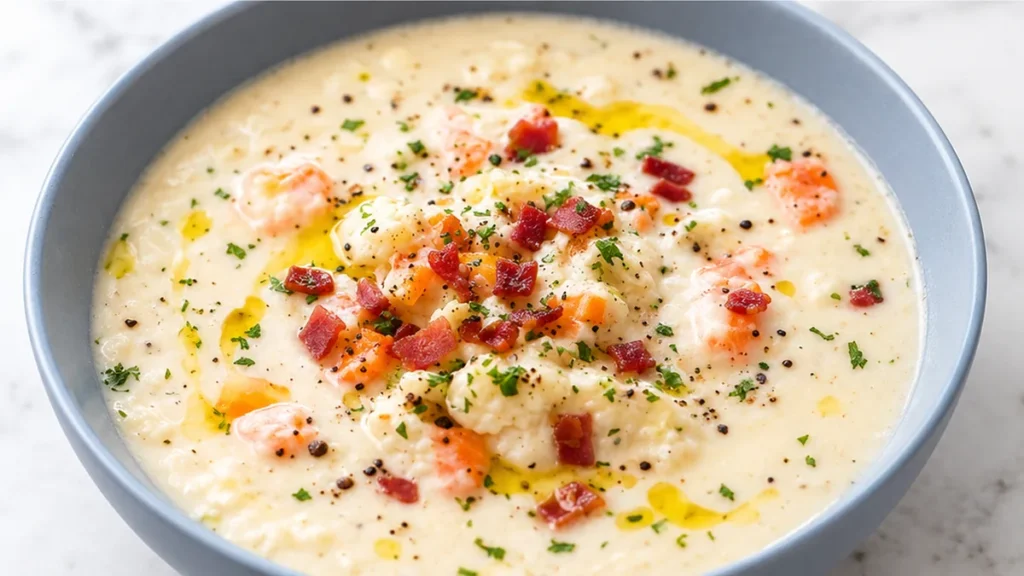
Cauliflower chowder is an incredibly comforting and quick meal that can be ready in under 30 minutes. Naturally gluten-free, this recipe transforms simple cauliflower into a velvety, satisfying soup that’s perfect for any night of the week. It’s a fantastic way to get more vegetables into your diet without sacrificing flavor or speed.
Key takeaways
- Cauliflower’s high water content helps create a creamy texture without excess calories.
- Sautéing aromatics enhances flavor through the Maillard reaction.
- Adjust seasoning gradually to achieve a balanced taste.
- Substituting ingredients can accommodate dietary preferences while maintaining texture.
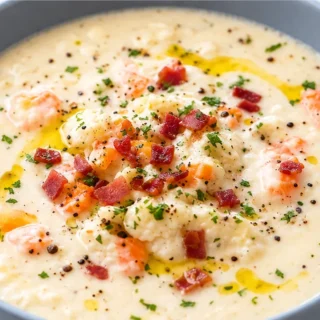
Silky Cauliflower Chowder
Ingredients
- 1 tablespoon Butter
- 1/2 cup Onion (diced)
- 5 Garlic Cloves (minced)
- 1/2 cup Carrots (diced)
- 1 Whole Head of Cauliflower (cut into small florets)
- 1 1/2 cups Vegetable Broth
- 1 teaspoon Pepper (freshly ground)
- 1/2 teaspoon Dried Oregano
- 1/4 cup Cream cheese
- Salt (to taste)
Instructions
- In a Dutch oven, heat butter over medium heat. Add diced onion and minced garlic. Sauté for 3-5 minutes until onions are soft.
- Add carrots, cauliflower florets, vegetable broth, freshly ground pepper, dried oregano, and salt. Bring to a boil, then reduce heat to a simmer. Cook for 15-20 minutes until cauliflower is fork-tender.
- Turn off the heat. Use an immersion blender to partially blend the soup until creamy but with some texture remaining.
- Stir in the cream cheese and adjust consistency with water or extra broth. Simmer gently for another 5-10 minutes until heated through.
Video
Notes
Understanding the Role of Cauliflower in Chowder
Cauliflower is a versatile vegetable that serves as the foundation of this chowder. Its high water content (about 92%) contributes to the soup’s silky texture while providing a neutral flavor that absorbs the seasonings and other ingredients. When cooked, cauliflower breaks down and thickens the chowder, creating a creamy consistency without the need for excessive cream or flour. This makes it an excellent choice for a lighter, yet satisfying soup.
Common Issues and Solutions When Making Cauliflower Chowder
One common issue with chowder is achieving the right creaminess. If your chowder is too thin, it may be due to insufficient cooking time for the cauliflower, which should be tender enough to blend smoothly. Conversely, if the chowder is too thick, it can be adjusted by adding more vegetable broth or water. Another potential problem is an imbalance of flavors. To fix this, taste as you go and adjust the seasoning with salt, pepper, or herbs like oregano to enhance the overall flavor profile.
Ingredient Swaps and Their Effects
While the recipe calls for cream cheese to add richness, you can substitute it with other ingredients depending on your dietary preferences. For a vegan option, use cashew cream or a dairy-free cream cheese alternative; this will maintain the chowder’s creamy texture while making it plant-based. If you prefer a lower-calorie option, Greek yogurt can be used instead of cream cheese, which will add a tangy flavor while reducing fat content. However, be cautious with the heat when adding yogurt, as it can curdle if boiled.
The Science of Cooking Cauliflower
The cooking method is crucial in determining the final texture of your chowder. Sautéing the onions and garlic in butter before adding the cauliflower enhances the flavor through the Maillard reaction, which occurs when proteins and sugars in the food brown and develop new flavors. Cooking cauliflower until it is just tender (about 10-15 minutes) ensures it retains some structure while still being soft enough to blend into a smooth chowder. The ideal temperature for simmering the chowder is around 90-95°C (194-203°F), allowing the flavors to meld without overcooking the vegetables.
Understanding the Impact of Ingredient Quality on Cauliflower Chowder
The quality of your ingredients can significantly influence the final taste and texture of your cauliflower chowder. Fresh cauliflower should be firm and free of blemishes, as older or damaged cauliflower can impart a bitter flavor. Similarly, using high-quality vegetable broth enhances the overall flavor profile. If possible, opt for homemade broth or a low-sodium variety to control salt levels. The freshness of your herbs, particularly oregano, also plays a crucial role; dried herbs lose potency over time, so consider checking the expiration dates.
Batch Scaling: Adjusting Quantities without Compromising Flavor
Scaling your cauliflower chowder recipe is straightforward, but it requires attention to detail to maintain flavor balance. When doubling or halving the recipe, keep the ratio of broth to vegetables consistent. For instance, if you increase the amount of cauliflower, ensure you also adjust the broth proportionally to avoid a chowder that is too thick or too thin. Additionally, remember that spices and seasonings should also be scaled carefully; a general rule is to start with half the amount of spices and adjust to taste as the chowder simmers.
Equipment Choices: How They Affect Texture and Cooking Time
The equipment you choose can significantly impact the texture and consistency of your chowder. Using a high-powered blender for pureeing the chowder will yield a silkier texture compared to a standard blender. If you opt for a stovetop pot, consider using a heavy-bottomed one to ensure even heat distribution, preventing the chowder from scorching. Additionally, a slow cooker can be an excellent option for developing deeper flavors, as it allows the ingredients to meld over several hours, although cooking times will need to be adjusted accordingly.
Serving Suggestions: Enhancing Your Cauliflower Chowder Experience
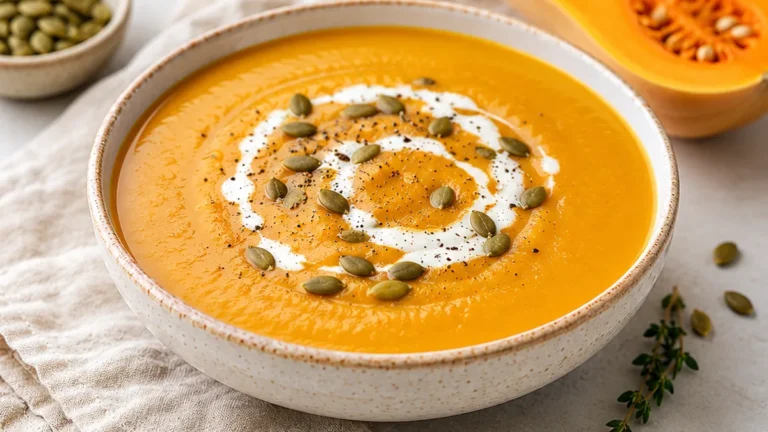
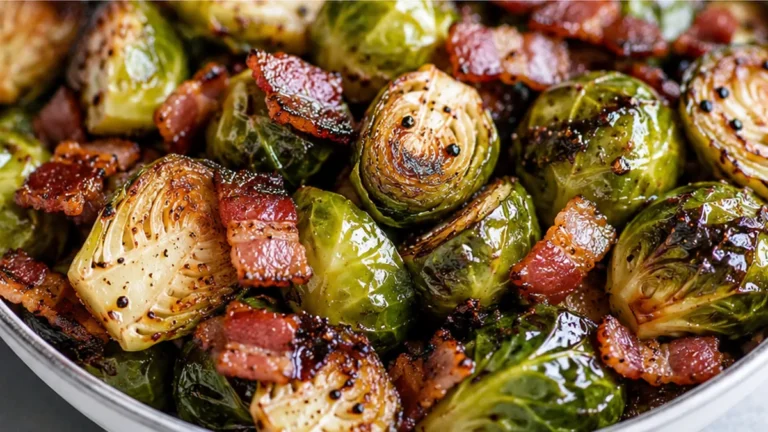
Serving your cauliflower chowder with complementary sides can elevate the meal. Consider pairing it with crusty bread or a fresh salad to add texture and freshness. Toppings like crispy bacon bits, fresh herbs, or a drizzle of olive oil can enhance the visual appeal and flavor. For a seasonal twist, incorporate roasted seasonal vegetables or a sprinkle of pumpkin seeds for added crunch. Each of these elements not only boosts flavor but also creates a more satisfying dining experience.
Understanding the Make-Ahead Potential of Cauliflower Chowder
Cauliflower chowder is an excellent candidate for make-ahead meals due to its flavor development over time. When prepared in advance, the flavors meld beautifully, enhancing the overall taste. To make this chowder ahead of time, simply cook it as per the recipe, allow it to cool completely, and then store it in an airtight container in the refrigerator for up to 3 days. For longer storage, freeze it in portion-sized containers for up to 3 months. When reheating, add a splash of vegetable broth or cream to restore its creamy texture, as it may thicken upon cooling. This dish is perfect for meal prep, allowing you to enjoy a comforting bowl of chowder on busy weeknights.
How Equipment Choices Affect the Final Texture of Your Chowder
The equipment you use can significantly impact the texture of your cauliflower chowder. For a smooth and creamy consistency, using an immersion blender allows for easy blending directly in the pot, ensuring minimal mess. Alternatively, a traditional blender can achieve a similar result but may require transferring the hot chowder in batches, which can be cumbersome. If you prefer a chunkier texture, consider using a potato masher instead of fully blending the chowder. This method retains some of the cauliflower florets, adding a delightful bite. Additionally, using a heavy-bottomed pot helps distribute heat evenly, preventing scorching and ensuring all ingredients cook uniformly.
Flavor Pairings That Elevate Cauliflower Chowder
Pairing flavors with cauliflower chowder can elevate its taste profile significantly. While the base recipe is delicious on its own, consider adding toppings such as crispy bacon or sautéed mushrooms for added texture and umami. Fresh herbs like chives or parsley can introduce a burst of freshness, balancing the richness of the chowder. For a spicy kick, incorporating a dash of hot sauce or a sprinkle of red pepper flakes can transform the dish. Additionally, serving the chowder with a side of crusty bread or a light salad can enhance the overall dining experience, making it a more complete meal.
Understanding the Make-Ahead Potential of Cauliflower Chowder
Cauliflower chowder is an excellent candidate for meal prep due to its flavor enhancement over time. When prepared ahead of time, the chowder’s flavors meld beautifully, resulting in a richer taste. To make it ahead, cook the chowder as directed, then allow it to cool completely before transferring it to an airtight container. It can be stored in the refrigerator for up to three days or frozen for up to three months. When reheating, do so gently on the stovetop, adding a splash of vegetable broth or water to restore its creamy texture. This method not only saves time but also enhances the overall flavor profile of the dish.
How Seasonal Variations Affect Cauliflower Chowder
Seasonal variations can significantly impact the quality and flavor of cauliflower chowder. Fresh, in-season cauliflower tends to be sweeter and more flavorful than out-of-season varieties, which can be bland. When making chowder in the spring or summer, consider adding fresh herbs like basil or dill to complement the cauliflower’s natural sweetness. In the fall and winter, root vegetables such as parsnips or sweet potatoes can be incorporated for added depth and sweetness. Additionally, using seasonal vegetables ensures that your chowder is not only tastier but also more nutritious, as they are often harvested at their peak ripeness.
Understanding the Make-Ahead Potential of Cauliflower Chowder
Cauliflower chowder is an excellent candidate for make-ahead meals due to its ability to develop flavors over time. When prepared in advance, the ingredients meld together, enhancing the overall taste. To properly store your chowder, allow it to cool completely before transferring it to an airtight container. It can be refrigerated for up to 3 days or frozen for up to 3 months. However, be mindful that freezing may alter the texture of the cauliflower, making it slightly softer when reheated. To reheat, gently warm it on the stove over low heat, adding a splash of vegetable broth or water if it appears too thick. This method helps maintain a creamy consistency, ensuring that the chowder remains enjoyable even after storage.
Choosing the Right Equipment for Optimal Texture in Cauliflower Chowder
The equipment used in making cauliflower chowder can significantly affect its final texture. A high-powered blender is ideal for achieving that silky smooth consistency, as it can thoroughly puree the cauliflower and other ingredients. If you do not have a high-powered blender, an immersion blender can be a great alternative, although it may not achieve the same level of smoothness. Additionally, using a heavy-bottomed pot ensures even heat distribution, preventing the chowder from scorching. When sautéing the vegetables, a wide, shallow pan allows for better evaporation of moisture, which can enhance the chowder’s flavor. Always consider your equipment choices, as they can make or break the creamy texture that defines an excellent cauliflower chowder.
Pro tips
- Use fresh cauliflower for the best texture and flavor.
- Don’t over-blend; a little texture makes the chowder more interesting.
- Adjust broth or water to reach your desired soup consistency.
- For a richer flavor, use chicken broth instead of vegetable broth.
Enjoy this hearty and healthy cauliflower chowder as a delightful lunch or light dinner. It’s a simple recipe that proves comfort food can be quick and wholesome.
Frequently asked questions
Can I use frozen cauliflower for this chowder?
Yes, frozen cauliflower can be used as a convenient alternative. Just be sure to thaw it before cooking to ensure even blending and cooking times.
How can I make this chowder spicier?
To add heat to your chowder, consider incorporating diced jalapeños or a pinch of cayenne pepper. Start with a small amount and adjust to your taste preference.
What can I do if my chowder is too thick?
If your chowder turns out too thick, simply add more vegetable broth or water until you reach the desired consistency. Stir well to combine.
Is it possible to make this chowder ahead of time?
Yes, you can prepare this chowder ahead of time. Store it in an airtight container in the refrigerator for up to three days. Reheat gently on the stove before serving.
More from Keto Sides & Veggies →