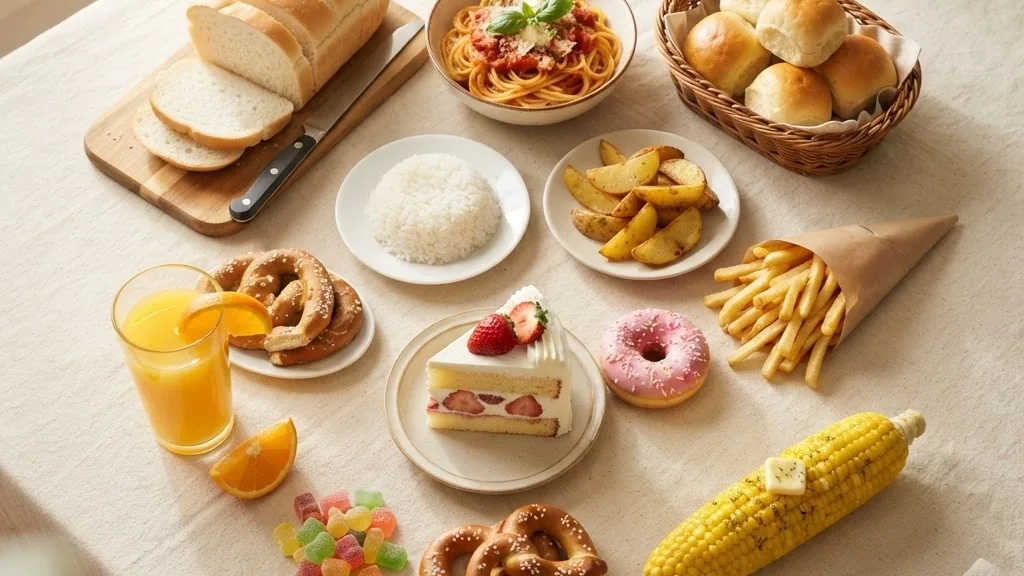
Knowing the keto foods to avoid is honestly more important than knowing what to eat, because a single high-carb slip can undo a whole day of low-carb effort. The ketogenic diet works by keeping carbohydrates so low that your body switches to burning fat for fuel, a state called ketosis. That switch is fragile: eat too many carbs and your body happily goes back to running on glucose. The tricky part is that carbs hide in places you would not expect, from “healthy” fruit to low-fat snacks marketed as diet food. This guide makes the whole list make sense.
Instead of dumping a hundred foods on you, we will start with the one concept that explains the entire list, net carbs, then group the foods to avoid by category with their real carb counts. You will see grains, sugars, high-carb fruit, starchy vegetables and the sneaky hidden carbs that trip people up, along with a keto-friendly swap for each group. By the end you will be able to look at almost any food and judge it yourself, which beats memorizing a list any day.
First, Understand Net Carbs
Everything about keto food choices comes down to net carbs, so this is worth thirty seconds. The ketogenic diet typically limits you to about 20 to 50 grams of net carbs per day, a very tight budget. Net carbs are not the same as total carbs: they are the total carbohydrates in a food minus its dietary fiber, because fiber is not digested into glucose and does not raise blood sugar. According to the FDA, fiber is listed separately on nutrition labels precisely because the body handles it differently, which is what makes the net-carb calculation possible.
This matters because it explains why some foods are fine and others are not. A cup of leafy greens has carbs on paper, but most of them are fiber, so the net carbs are tiny. A banana, by contrast, is almost all digestible sugar with little fiber to subtract. When you read a label, find the total carbohydrate, subtract the fiber, and that remaining number is what actually counts against your daily limit. With that single tool, the list of foods to avoid stops being arbitrary and starts being obvious.
The Foods to Avoid at a Glance
Here is the quick-reference table, grouped by category with typical carb counts so you can see why each one is a problem. These numbers come from standard nutrition data and are approximate, since portion size and variety change the totals. Use it as a map, then read the sections below for the swaps that let you keep eating well while staying in ketosis.
| Category | Examples | Why to avoid |
|---|---|---|
| Grains and starches | Bread, pasta, rice, oats, cereal | 20 to 50 g carbs per serving, blows the daily budget |
| Sugar and sweeteners | Sugar, honey, maple syrup, agave | Pure sugar that stops ketosis fast |
| High-carb fruit | Banana (27 g), apple (25 g), grapes, mango | A day’s carbs in one serving |
| Starchy vegetables | Potato, sweet potato, corn, beets | Far higher in carbs than leafy greens |
| Legumes | Beans, lentils, chickpeas | High net carbs despite the protein |
| Low-fat and processed | Low-fat yogurt, diet snacks | Sugar added to replace the fat |
Grains and Starches
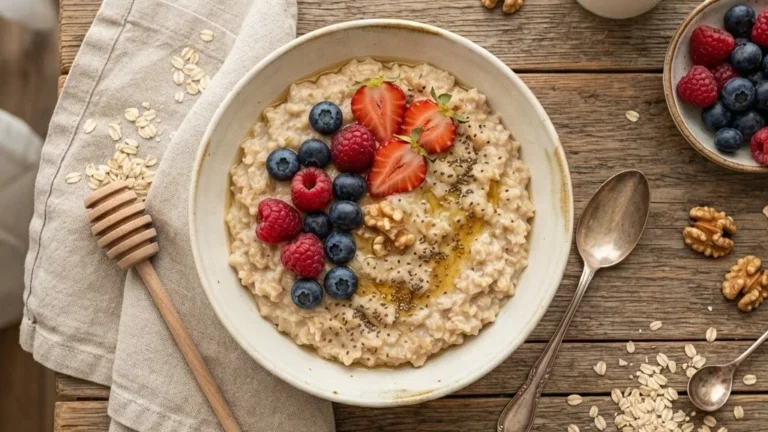
Grains are the single biggest thing to cut, and they are everywhere. Bread, pasta, rice, tortillas, bagels, crackers, cereal, oatmeal and couscous are all built on starch, which your body breaks straight down into glucose. Even foods marketed as healthy whole grains, like quinoa or brown rice, are still concentrated starch and far over the keto limit. A single cup of cooked rice or pasta can carry 40 grams or more of carbs, which is most or all of a day’s allowance in one side dish. There is simply no small enough portion to make them fit comfortably.
The good news is that the swaps are genuinely satisfying. Cauliflower rice stands in for rice and grains, zucchini noodles or shirataki replace pasta, and almond or coconut flour rebuild baked goods at a fraction of the carbs. Lettuce wraps and cloud bread cover sandwiches. Once you stock these, the grain-shaped hole in your meals closes quickly, and you stop missing the originals.
Sugar and Sweeteners, Including the “Natural” Ones
This category catches a lot of people who assume natural sugar is somehow keto. It is not. Honey, maple syrup, agave nectar and coconut sugar are still sugar as far as your metabolism is concerned, and they spike blood glucose and stop ketosis just like white table sugar. The same goes for anything sweetened with them, from granola to flavored yogurt to most bottled sauces. All starches and sugars eventually become glucose, so the source does not buy you a pass.
For sweetness without the carbs, keto relies on non-nutritive sweeteners such as erythritol, monk fruit and stevia, which add sweetness with little or no effect on blood sugar. These let you keep desserts and sweet drinks on the menu, which is a big part of why people stick with the diet. If you have a sweet tooth, our keto-friendly snacks show how these sweeteners work in practice.
High-Carb Fruit
Fruit feels healthy, and it is, but most of it is too sugary for keto. Per USDA FoodData Central, a medium banana has about 27 grams of carbs and a medium apple around 25 grams, which means one piece can use up most of your daily budget on its own. Grapes, mangoes, pineapple and dried fruit are even more concentrated; a single cup of grapes can hold close to a full day’s worth of carbs. These are not bad foods, they are just incompatible with a 20 to 50 gram limit.
Berries are the exception worth remembering. A half-cup of raspberries has only about 3 grams of net carbs, and strawberries and blackberries are similarly modest, because they pair lower sugar with more fiber. So the rule is not “no fruit,” it is “berries in moderation, and skip the rest.” A small handful of berries with full-fat cream is a classic keto dessert that keeps you well inside your limit.
The same logic explains tomatoes and avocados, which are technically fruit but low enough in net carbs to count as keto staples. The takeaway is to judge fruit by its sugar and fiber, not by its reputation as healthy. A food being natural or nutritious says nothing about whether it fits a strict carb budget, and that distinction is the whole game on keto.
Starchy Vegetables and Legumes
Vegetables are encouraged on keto, with one clear exception: the starchy ones. Potatoes, sweet potatoes, corn, beets, parsnips and winter squash store their energy as starch, which puts them far above leafy and above-ground vegetables in carbs. A single medium potato can carry more than 30 grams of carbs, so it behaves more like a grain than a vegetable on your plate. Stick to leafy greens, cauliflower, broccoli, zucchini, peppers and other low-carb options, which you can eat freely.
Legumes are the other surprise. Beans, lentils and chickpeas are nutritious and high in protein, but they are also high in net carbs, often 20 grams or more per cooked cup. That makes them hard to fit into keto despite their good reputation. If you want the protein, lean on meat, eggs, fish and full-fat dairy instead, and treat beans as an occasional small garnish at most rather than a main component of a meal.
Low-Fat Products and Hidden Carbs
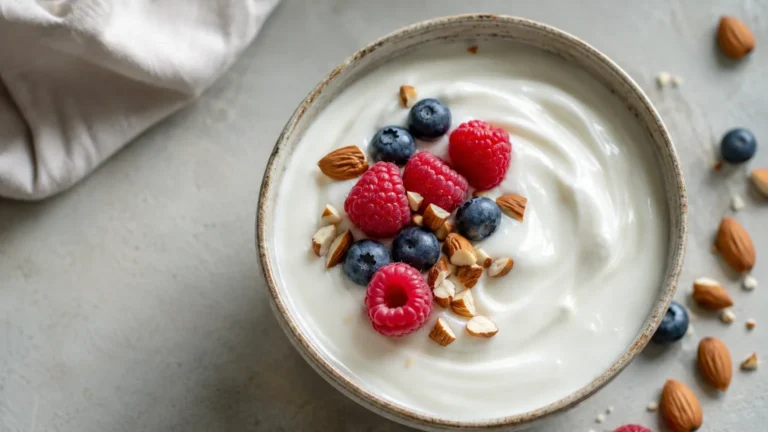
Some of the trickiest carbs are the ones you do not see. When manufacturers remove fat from a product, they usually replace it with sugar or starch to keep the flavor, so low-fat yogurt, fat-free dressings and “light” snacks are often higher in carbs than their full-fat versions. On keto, full-fat is your friend. The other classic trap is sauces and condiments: ketchup, barbecue sauce, teriyaki, sweet chili and many salad dressings are loaded with sugar, and a couple of tablespoons can quietly add 10 grams of carbs to an otherwise clean meal.
Tip: Always read the label on anything in a jar or bottle, even savory items. The marketing on the front means nothing; the total carbohydrate line on the back is the only number that counts. Products labeled “keto” still deserve a label check, since the term is not tightly regulated.
Sugary Drinks and Alcohol
Liquids are easy to overlook because they do not feel like eating, but they can carry enormous amounts of sugar. Regular soda, fruit juice, sweet tea, sports drinks, energy drinks and most coffee-shop specialties are essentially sugar water and will end ketosis in a single serving. Even “healthy” juices and smoothies are concentrated fruit sugar without the fiber of whole fruit. Water, sparkling water, unsweetened tea and black coffee are the safe defaults, and you can flavor them with lemon or a keto sweetener.
Alcohol is more nuanced. Pure spirits like vodka and whiskey have zero carbs, and dry wine is low, but beer is essentially liquid bread and sugary cocktails are dessert in a glass. If you drink, choose spirits with a zero-carb mixer or a dry wine, and keep it occasional, since alcohol also slows fat burning while your body processes it.
How Carbs Knock You Out of Ketosis
It helps to understand the mechanism, because it explains why one indulgence can set you back. Ketosis happens only when your body runs low on glucose and starts producing ketones from fat for fuel. The moment you eat a meaningful amount of carbohydrate, your body preferentially burns that glucose instead, and ketone production pauses. General nutrition guidance, including from public-health bodies like the CDC, treats carbohydrates as the body’s default energy source, which is exactly why keto has to push them so low to force the switch. A big plate of pasta does not just add calories; it flips your metabolism back to glucose for a while.
This is why consistency matters more than perfection in any single meal. Small amounts of hidden carbs add up across a day and can quietly push you over your 20 to 50 gram limit without a single obvious cheat. Tracking your net carbs for the first couple of weeks, even roughly, trains your eye for portion sizes and reveals which foods were sneaking in more than you thought. After that, most people can estimate well enough to stay in ketosis without weighing everything.
How to Read a Nutrition Label for Keto
Once you can read a label quickly, you no longer need anyone’s list. Start at the total carbohydrate line, which is the headline number, then look just below it for dietary fiber. Subtract the fiber from the total carbohydrate, and the result is the net carbs for that serving, the figure that actually counts against your daily budget. Then double-check the serving size at the top, because manufacturers often list a smaller serving than you would really eat, which makes the carb number look lower than the amount on your plate.
Watch for sugar alcohols too, which appear on some labels under the carbohydrate section. Most sugar alcohols, like erythritol, have little effect on blood sugar and are commonly subtracted along with fiber, which is why keto products lean on them. Added sugars are listed separately and should be as close to zero as possible. With thirty seconds and a little subtraction, you can judge any packaged food on the spot, which is far more useful than memorizing which brands are or are not allowed.
What to Eat Instead
Avoiding foods is only half the picture; the diet is easy to sustain because the keto-friendly list is genuinely satisfying. Build meals around fatty proteins, low-carb vegetables and healthy fats, and you rarely feel deprived. The core of the plate is meat, poultry, fish, eggs, and full-fat dairy, surrounded by leafy greens and above-ground vegetables, with avocado, olive oil, nuts and seeds adding fat and crunch. Berries cover dessert, and keto sweeteners handle the rest.
- Proteins: beef, chicken, pork, salmon, eggs.
- Fats: butter, olive oil, avocado, nuts, full-fat cheese.
- Vegetables: spinach, broccoli, cauliflower, zucchini, peppers.
- Fruit: raspberries, strawberries, blackberries in moderation.
For ideas on how this looks at the start of the day, our guide to keto breakfast ideas turns these ingredients into meals you will actually look forward to.
A Quick Word on Doing Keto Safely
Cutting out whole food groups is a big change, so it is worth a sensible note. The keto diet is restrictive by design, and while many people do well on it, it is not right for everyone, especially anyone with certain medical conditions or who is pregnant. Carbohydrates are not the enemy in every context, and the goal here is simply to identify which ones break ketosis, not to demonize food. If you are managing a health condition or taking medication, talk to your doctor or a registered dietitian before starting, so you can do it in a way that fits your needs.
Frequently Asked Questions
What foods should you completely avoid on keto?
The big ones are grains and starches (bread, pasta, rice, oats), all forms of sugar including honey and maple syrup, high-carb fruit like bananas and grapes, starchy vegetables such as potatoes and corn, and most legumes. Sugary drinks and beer also stop ketosis quickly.
How many carbs can I have on keto?
Most people stay in ketosis on about 20 to 50 grams of net carbs per day. Net carbs are total carbohydrates minus dietary fiber, since fiber is not digested into glucose.
Can I eat fruit on keto?
Only low-sugar fruit in moderation. Berries are the best choice, with a half-cup of raspberries at roughly 3 grams of net carbs. Bananas, apples, grapes and mangoes are too high in sugar to fit a keto budget.
Are beans and legumes keto-friendly?
Not really. Despite being high in protein and fiber, beans, lentils and chickpeas carry around 20 grams of net carbs or more per cooked cup, which is too high for most keto plans. Get protein from meat, eggs, fish and dairy instead.
Why are low-fat foods bad for keto?
When fat is removed from a product, sugar or starch is usually added to keep it tasting good, so low-fat versions often have more carbs than full-fat ones. On keto, choose full-fat foods and check the label for added sugar.
The Takeaway
Staying in ketosis is mostly about avoiding a short list of usual suspects: grains, sugar in every form, high-carb fruit, starchy vegetables, legumes and the hidden sugars in low-fat products, sauces and drinks. Once you understand net carbs and the 20 to 50 gram daily limit, the whole list makes sense and you can judge new foods on your own. Lean into fatty proteins, low-carb vegetables and berries, keep a keto sweetener on hand, and read labels on anything in a package. Avoid the carbs that quietly stop ketosis, and the diet runs itself.