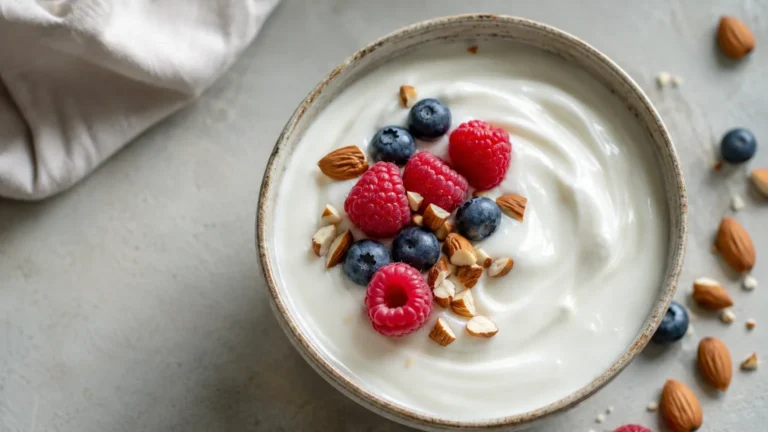
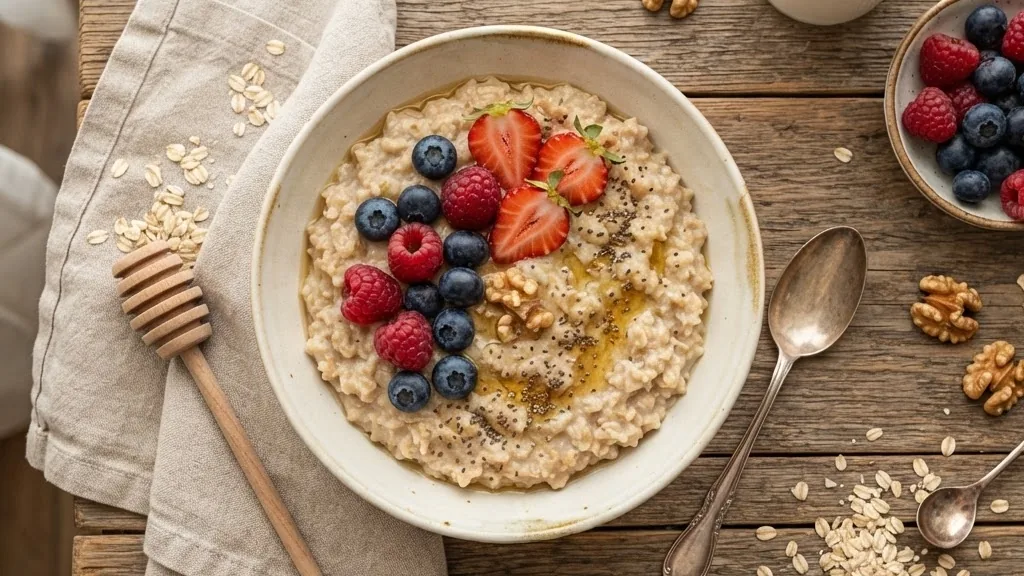
Is oatmeal keto friendly? For strict keto, the honest answer is no. A single half cup of dry rolled oats carries about 27 g total carbs and only 4 g fiber, which leaves roughly 23 g net carbs in one bowl. That one serving can swallow an entire day of a 20 to 30 g keto carb budget before you add fruit or milk. Oats are a whole grain, and grains are built from starch. Below are the carb math, how the oat types differ, the low-carb swaps that work, and the rare keto styles where a spoonful can fit.
The Short Verdict, and Why It Holds Up
Plenty of people want oats to work on keto, because a warm morning bowl feels like home. The appeal is easy to understand. But the numbers rarely cooperate. Ketosis usually asks you to hold net carbs somewhere between 20 and 30 g each day, and many women sit closer to the low end of that range. When one plain serving already delivers about 23 g net carbs, there is almost no room left for vegetables, a splash of cream, or berries on top.
Net carbs matter here because your body counts the digestible starch, not the fiber. Fiber passes through largely intact, so we subtract it from total carbs. Oats do bring useful fiber, near 4 g per serving, yet the starch behind it is still high. That is the core reason oatmeal breaks most keto plans: the fiber discount is real but small, and the starch load underneath is heavy. Refined grains behave the same way, which is why they belong on the early avoid list.
If you are still mapping out your pantry, the guide to keto foods to avoid covers oats alongside rice, bread, and other grains that quietly stall progress. Reading that first saves a lot of guesswork when you start tracking every gram.
The Carb Math Behind a Bowl of Oats
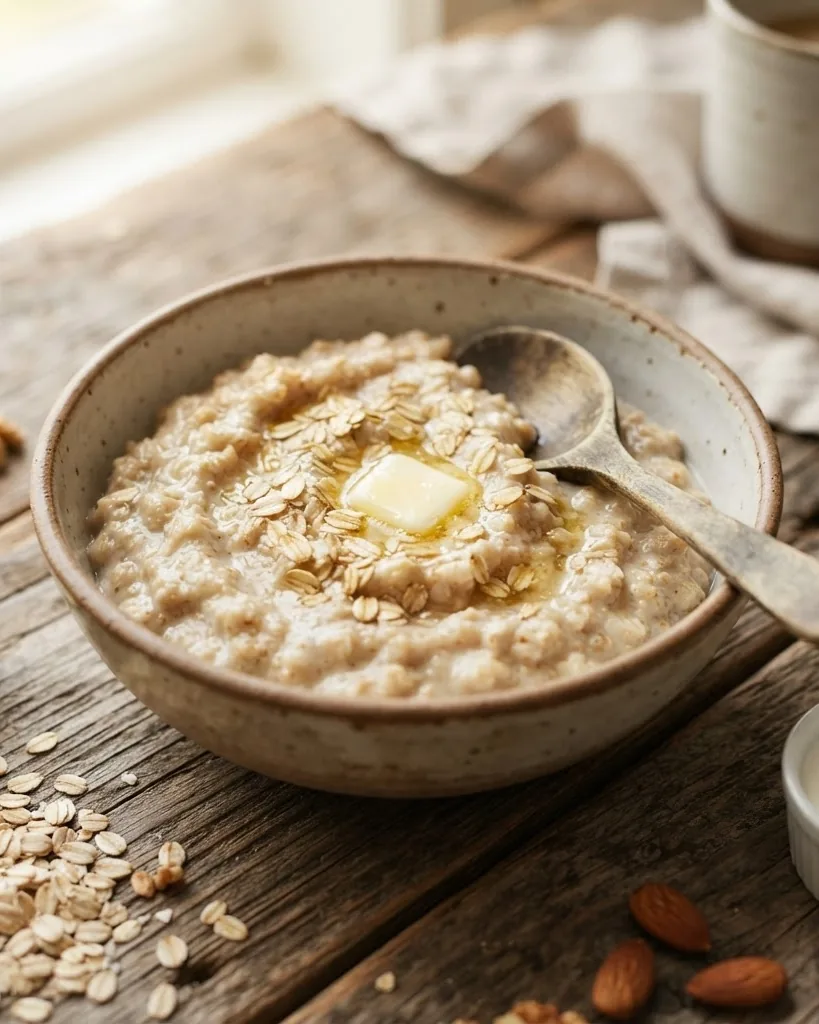
Here are the raw figures, because this is where the debate ends. According to the USDA, a half cup of dry rolled oats weighs close to 40 g and holds about 27 g total carbohydrate, 4 g of fiber, roughly 5 g protein, and near 154 calories. Subtract the fiber and you land at about 23 g net carbs. You can confirm these values yourself at the USDA FoodData Central database at fdc.nal.usda.gov, a more reliable reference than any brand label.
Now compare that to a strict daily ceiling. If your target is 20 g net carbs, a single bowl blows past it. If you allow 30 g, you have about 7 g left for the rest of the day, which is barely a handful of spinach and a few strawberries. That is why oatmeal is less a keto breakfast than a keto budget wipeout. The grain itself is nutritious, but the timing and portion are the problem for anyone chasing ketones.
People sometimes point to the fiber and hope it rescues the total. It helps, but do the subtraction honestly. Four grams of fiber against 27 g total still leaves a starchy 23 g behind. Cooking the oats in water does not lower carbs either; heat and liquid change texture, not chemistry. A cup of cooked oatmeal lands near that same 23 g net carbs, since the dry grain simply absorbs water and expands.
Rolled vs Steel-Cut vs Instant: Does the Type Change Anything?
Oat lovers often ask whether switching cuts saves the day. On carbs, not really. Rolled, steel-cut, and instant oats all start from the same groat, so their carbohydrate totals sit within a gram or two of each other per serving. Steel-cut oats, dry, at a quarter cup run about 27 g total carbs and 23 g net carbs, which mirrors rolled oats almost exactly. The cut changes texture and digestion speed, not the core carb load.
Where the cut does matter is glycemic impact, meaning how fast the starch hits your blood sugar. Steel-cut oats sit around a glycemic index of 42, rolled oats near 55, and instant oats climb to roughly 66 and can reach 83 when sweetened and heavily processed. Healthline explains that smaller particle size and longer processing let your gut break the starch down faster, which spikes glucose harder. You can read their full breakdown at healthline.com if you want the mechanism in detail.
So if a person outside strict keto simply wants gentler blood sugar, steel-cut wins on speed of digestion. For someone in ketosis, though, the glycemic index is a side note. The absolute net carbs decide whether you stay in ketosis, and all three cuts carry too many. A slower spike from 23 g of net carbs is still 23 g of net carbs against a 20 g wall.
- Steel-cut oats: chewiest, slowest digesting, glycemic index near 42.
- Rolled oats: the common flake, glycemic index near 55, quick to cook.
- Instant oats: pre-cooked and dried, glycemic index up to 83 when sweetened.
- All three: about 23 g net carbs per standard dry serving, per USDA figures.
Why Oats Rank So High in Carbs
Oats earn a strong health reputation, so the carb count surprises people. The grain is mostly starch by weight, and starch is a long chain of glucose units. When you digest it, that chain breaks into sugar. The soluble fiber in oats, called beta-glucan, slows the process and steadies your blood sugar, which is why oatmeal reads as heart-healthy in most nutrition circles. Slower is not the same as low, though.
Beta-glucan is the star of that oat story. The FDA recognizes a health claim that at least 0.75 g of beta-glucan per serving, or 3 g per day, can help lower LDL cholesterol and reduce heart-disease risk. That is a genuine benefit, and it is why oats are not bad food. They are simply the wrong food for a strict carb ceiling. A nutrient can be excellent and still not fit a ketogenic macro split.
This is the tension worth naming plainly: oatmeal is healthy and high-carb at the same time. On a balanced diet, that fiber and those minerals earn their place. On keto, the 23 g net carbs override the perks, because staying in ketosis depends on the total number, not the quality of the grain. Seeds and greens supply fiber for far fewer carbs, which is exactly what the swaps below do.
Carb Comparison Table: Oats vs Keto Swaps
Numbers settle arguments faster than paragraphs, so here is a side by side look. The table shows net carbs per common serving so you can see how steep oats are compared to the seeds and flours used as swaps. Note how a full noatmeal bowl built from chia, flax, and hemp still comes in far under a single spoonful of real oats scaled up.
| Food | Serving | Net carbs (g) |
|---|---|---|
| Rolled oats (dry) | 1/2 cup (40 g) | 23 |
| Steel-cut oats (dry) | 1/4 cup | 23 |
| Instant oats, sweetened | 1 packet | 24 or more |
| Chia seeds | 1 oz (28 g) | 2 |
| Hemp hearts | 1 tbsp | 1 |
| Ground flaxseed | 2 tbsp | 1 |
| Coconut flour | 2 tbsp | 4 |
| Keto noatmeal bowl | full serving | 4 to 5 |
| Peanut butter | 2 tbsp | 4 |
Look at the gap. One oat serving costs the same as roughly ten tablespoons of hemp hearts. That is the whole case in a single glance. If you love the creamy texture of a warm bowl, you can rebuild it from the bottom rows for a few net carbs instead of twenty-plus. For a nut-butter drizzle on top, peanut butter fits nicely, and its limits are covered in the note on whether peanut butter is keto friendly.
Keto Noatmeal: The Swaps That Work
Good news: a warm morning porridge does not require oats at all. The keto world calls the workaround noatmeal, and with the right ratio it stands in well for the real thing. Noatmeal base is a blend of seeds and low-carb flours that thicken in hot liquid and hold that same spoon-coating creaminess. Each piece does a job, and together they land near 4 to 5 g net carbs for a full bowl.
Chia seeds are the thickener. Per ounce they carry about 12 g total carbs, but 10 g of that is fiber, leaving roughly 2 g net carbs. Soaked in almond milk they swell into a soft gel that reads like cooked oats. Ground flaxseed adds body and omega-3 fats, with only about 1 g net carbs per 2 tablespoons since flax is near 27 g fiber per 100 g. Keeping both in jars by the stove helps, because they do most of the heavy lifting.
Hemp hearts bring the nutty chew and protein, at roughly 1 g net carbs and 57 calories per tablespoon. Coconut flour rounds out the texture and soaks up extra liquid, adding about 4 g net carbs per 2 tablespoons while giving that faint sweetness real oats lack. Warm the mix with water or unsweetened almond milk, stir until it thickens, then top with a few berries, cinnamon, and a spoon of nut butter. That is a full breakfast for a fraction of the carbs.
A noatmeal bowl sounds like it would be a sad imitation. It was better than that. The seeds tend to give more staying power than oats. The trick: let chia sit for at least 10 minutes so it fully hydrates, otherwise the texture turns grainy rather than smooth.
Small Portions: Can a Spoonful of Oats Sneak In?
Here is the nuance strict guides skip. Net carbs scale with the amount you eat, so a tiny portion of real oats costs very little. One tablespoon of dry rolled oats is only about 6 g of grain, which works out to roughly 4 g total carbs and under 3 g net carbs. Two tablespoons still keep you under about 6 g net carbs. That is a sprinkle, not a bowl, but it can add real oat flavor and chew to a seed-based porridge.
Use this as a topping trick rather than a base. A teaspoon or two of oats stirred into a noatmeal bowl, or scattered over Greek yogurt, gives the aroma and bite people miss without wrecking the day. The common mistake is treating oats as all or nothing. If your ceiling is 30 g net carbs and the rest of your meals are lean, a measured tablespoon of oats can fit inside the math with room to spare.
Measure it, though. Do not eyeball a scoop from the bag, because oats compress and a heaping spoon can double the amount fast. Weigh it on a small kitchen scale so you know the exact grams going in. Precision is the difference between a clever garnish and an accidental carb spike that drops you out of ketosis by lunch.
Who Can Fit a Little Oatmeal on Keto?
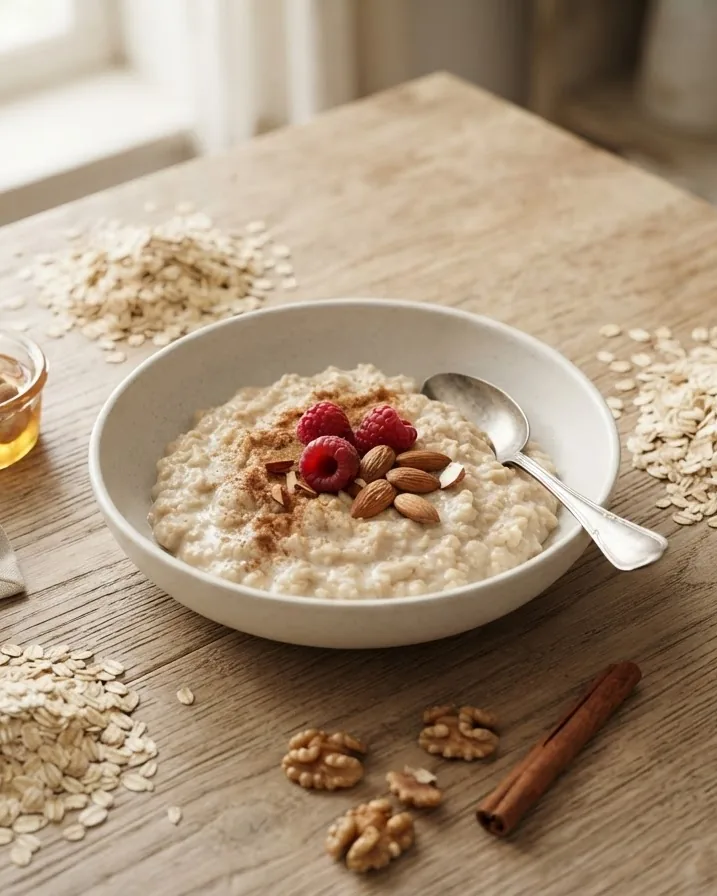
Not everyone runs the same strict version of keto, and a few approaches leave room for more carbs. On a cyclical keto diet, you eat clean and low for about 5 days, then run 1 or 2 higher-carb refeed days near 100 to 150 g of carbs to restock muscle glycogen. On those refeed days, a proper bowl of oatmeal fits comfortably and even makes sense for topping off glycogen before heavy training.
Targeted keto is the other window. Here you keep net carbs under 20 g most of the day but add 25 to 50 g of fast carbs around a hard workout, when your muscles pull that glucose in quickly. A small serving of oats before lifting can play that role. Endurance athletes and very insulin-sensitive people sometimes tolerate 50 to 100 g net carbs and still register ketones, so their oat tolerance runs higher than a sedentary dieter’s.
For most readers on standard keto, though, none of that applies day to day. If you are not doing a planned refeed or fueling a serious training block, treat oats as an occasional exception, not a staple. Know which camp you are in before you pour a bowl. A box label will never tell you whether your specific carb ceiling has the space, so the honest move is to track it and decide with real numbers.
How to Order a Keto Breakfast That Feels Like Oatmeal
When the craving hits and you want the ritual without the carbs, build the bowl in layers. Start with the seed base of chia and flax soaked overnight, warm it gently in the morning, and stir in hemp hearts for chew. A pinch of salt and a shake of cinnamon do more for flavor than most people expect. Then add texture on top: crushed pecans, a spoon of nut butter, and a few raspberries, which carry the lowest sugar of the common berries.
Sweetness is where keto porridge often goes wrong. Skip the honey and maple syrup, since even a tablespoon can add 15 g of carbs and undo the whole build. A few drops of liquid monk fruit or a little erythritol blend work instead, both of which read as sweet without moving blood sugar. Vanilla extract adds a rounder, dessert-like note for zero meaningful carbs, and it makes the whole bowl taste richer.
Batch it if mornings are rushed. One shortcut: mix a dry jar of chia, flax, hemp, and coconut flour in a 4 to 1 ratio, keep it on the counter, then scoop about 3 tablespoons into a mug with hot almond milk for a fast bowl. It takes under 5 minutes and lands near 4 g net carbs, which leaves the whole day open for real meals rather than spending the budget before breakfast.
Reading Oat Labels and Spotting Hidden Carbs
Packaged oats hide carbs in ways that catch new keto dieters off guard. Flavored instant packets are the worst offenders, since a single sweetened pouch can push past 24 g net carbs once you count the added sugar. Maple, brown sugar, and fruit varieties layer sweeteners on top of the grain, so the total climbs fast. Even a plain packet still carries the base grain load. Always flip the box and read the panel rather than trusting a front-label claim like whole grain or heart healthy, because those words say nothing about net carbs.
Serving size is the other trap. Labels list carbs per a small measured portion, often 40 g dry, yet most people pour closer to a full cup, which nearly doubles the number on the box. If the panel reads 27 g total carbs and you eat a heaping bowl, you may be looking at 45 g or more of carbohydrate in one meal. Weigh your portion once with a scale and you will quickly see how a casual scoop overshoots the printed figure by a wide margin.
Do the net carb math yourself every time. Take total carbohydrate, subtract grams of fiber, and ignore any sugar-alcohol column, since plain oats have none. For a real serving that leaves about 23 g, that number decides whether the food fits your day. Cross-check any grain against the USDA database rather than a brand sheet, because manufacturer rounding can shave a gram or two and quietly nudge you over your ceiling without you noticing.
Common Mistakes That Break Ketosis With Oats
First mistake: trusting fiber to erase starch. Four grams of fiber against 27 g total is a real discount, but it still leaves a heavy 23 g of digestible carbohydrate. People see high fiber on the label and assume the net number must be tiny, then wonder why their ketone strips go pale by afternoon. Fiber helps digestion and blood sugar, yet it does not turn a grain into a low-carb food.
Second mistake: stacking toppings that each look harmless. A drizzle of honey adds about 17 g of carbs, half a sliced banana adds another 12 g, and a handful of raisins piles on more. Suddenly a bowl that started near 23 g net carbs is well over 50 g, which breaks ketosis for almost anyone. If you do eat oats on a refeed day, keep the toppings honest and count each one, because the extras often outweigh the oats themselves.
Third mistake: skipping a scale and eating by feel. Oats compress in the bag, so a loosely poured half cup and a packed half cup can differ by several grams. Over a week those small overages add up and stall your progress without any single meal looking like the culprit. A cheap kitchen scale ends the guesswork and keeps your morning inside the plan you set.
Frequently Asked Questions
Is oatmeal keto friendly if I only eat a small amount?
A very small portion can fit. One to two tablespoons of dry oats is about 6 to 12 g of grain, which lands near 3 to 6 g net carbs. Used as a topping on a seed-based bowl rather than a full serving, that amount can slot into a 30 g daily ceiling. The problem is a normal bowl, which brings about 23 g net carbs and leaves almost nothing for the rest of your meals. Measure the oats on a scale so a heaping spoon does not quietly double the carbs.
Which oats have the fewest carbs on keto?
No oat cut is genuinely low carb, because rolled, steel-cut, and instant oats all come from the same groat and carry about 23 g net carbs per dry serving. Steel-cut oats have the gentlest glycemic index, near 42, so they raise blood sugar more slowly than rolled or instant oats. That helps outside ketosis, but the total net carbs are what pull you out of ketosis, and all three cuts land in the same high range. For a true low-carb bowl, chia and hemp beat every oat.
What can I use instead of oatmeal on keto?
Build a noatmeal bowl from chia seeds, ground flaxseed, hemp hearts, and a little coconut flour. Chia runs about 2 g net carbs per ounce, hemp about 1 g per tablespoon, and the full bowl usually totals 4 to 5 g net carbs versus 23 g for real oats. Warm it in unsweetened almond milk, let the chia hydrate for 10 minutes, then top with berries, cinnamon, and nut butter. It delivers the creamy texture and staying power of porridge for a small slice of the carb cost.
Do oats have any benefits worth the carbs?
Oats bring real benefits, mainly the soluble fiber beta-glucan. The FDA recognizes that 3 g of beta-glucan per day can help lower LDL cholesterol and reduce heart-disease risk, and oats also carry useful minerals. On a balanced diet those perks earn their place. On strict keto, though, the 23 g net carbs per serving outweigh them, since staying in ketosis depends on the total carb number rather than the nutrient quality. You can capture similar fiber from chia and flax at a tiny fraction of the carbs.
The Bottom Line on Oats and Ketosis
So, is oatmeal keto friendly? On strict keto, no, because one bowl carries about 23 g net carbs and can spend a full day’s budget in a single sitting. The oat type barely changes that total; steel-cut, rolled, and instant all land near the same number, with only their glycemic speed differing. Oats are a healthy whole grain, and the beta-glucan fiber is genuinely good for your heart, but healthy and keto are not the same test.
My practical take after a lot of test mornings: keep oats as a rare topping or save them for a planned refeed, and build your everyday porridge from chia, flax, and hemp for around 4 g net carbs. You keep the warm, creamy ritual and lose the carb hit. If you want the deeper carb list, revisit the rundown of grains and starches to skip, and check any nut butter against real USDA numbers before it goes on top. That habit is what keeps ketosis intact while breakfast still feels like breakfast.