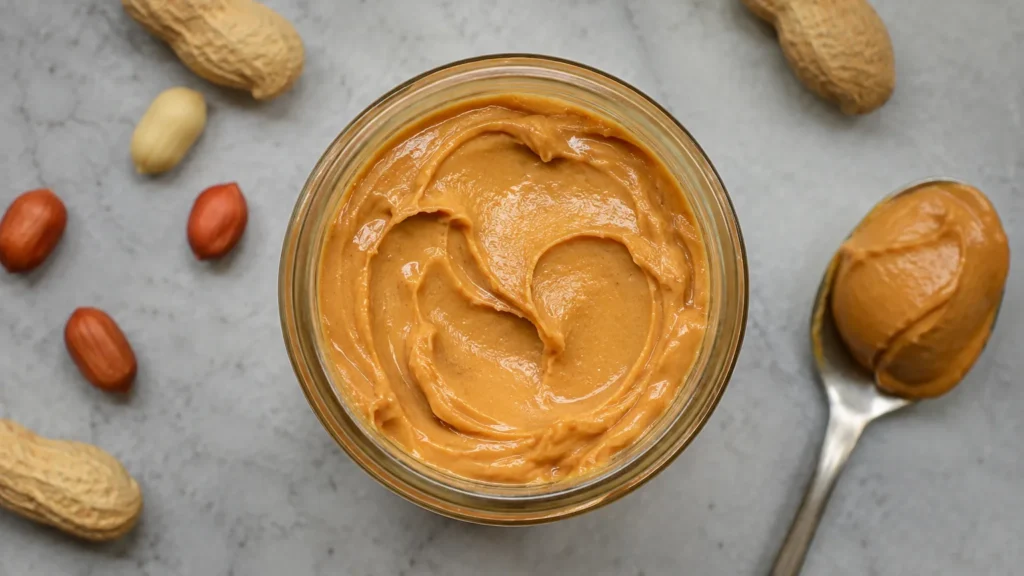
If you have ever stood in the kitchen with a spoon and a jar wondering is peanut butter keto friendly, the short answer is yes, with one important condition. Natural peanut butter, the kind made from just peanuts and salt, fits a ketogenic diet easily because it is high in fat, moderate in protein, and low in net carbs. The problem is never the peanuts themselves; it is what gets added to the jar. Many popular grocery-store brands stir in sugar and hydrogenated oils, and that added sugar is what can quietly push you over your carb limit. Choose the right jar and you are fine.
This guide gives you the real numbers, the single label rule that tells a keto-friendly jar from a deceptive one, and a quick brand comparison. We will also cover the catch that trips up more keto dieters than carbs ever do, which is portion size, plus where powdered peanut butter and other nut butters fit in. By the end you will know exactly how to keep this pantry staple on your keto menu without second-guessing every spoonful.
The Short Answer
Yes, peanut butter is keto friendly as long as you pick a natural, unsweetened version and watch your portion. A standard two-tablespoon serving of natural PB has roughly 4 grams of net carbs, which fits comfortably inside a typical keto budget of 20 to 50 grams of net carbs per day. It also delivers a satisfying dose of healthy fat and protein, which makes it filling. The only versions to avoid are the sweetened ones, where added sugar can double the carb count or worse. Get the label right and peanut butter is one of the most convenient keto snacks around.
Peanut Butter Net Carbs, by the Numbers
Numbers make this clearer than any opinion. According to USDA FoodData Central, a two-tablespoon serving of natural peanut butter has about 7 grams of total carbohydrate and around 3 grams of fiber, which leaves roughly 4 grams of net carbs. Net carbs are what matter on keto, because fiber is not digested into glucose and is subtracted from the total. That same serving carries about 190 calories, 16 grams of fat and 8 grams of protein, so it is mostly fat with a useful protein bonus, exactly the macro profile keto is built around.
Put that 4 grams in context. If your daily limit is 25 grams of net carbs, a serving of natural PB uses just a sixth of it while keeping you full for hours. Compare that to a slice of bread or a banana, which can eat up your entire day’s allowance on their own, and peanut butter looks like a bargain. The catch, as we will see, is not the carbs in one serving but how easy it is to eat three servings without noticing.
How Peanut Butter Fits Your Daily Macros
It helps to see where a serving lands inside a full day of keto eating. Keto generally splits calories into roughly 70 to 75 percent fat, 20 to 25 percent protein, and only about 5 to 10 percent carbs, a ratio that public-health bodies like the CDC describe as a very-low-carbohydrate pattern. A two-tablespoon scoop of natural PB, with its 16 grams of fat and 8 grams of protein, slots neatly into that fat-forward profile while costing almost nothing against the small carb slice. In other words, it is not just allowed on keto; it actively helps you hit the fat target that the diet depends on.
That makes peanut butter one of the more efficient foods on the plan. Many keto dieters struggle to eat enough fat without relying on plain oils, and a spoonful of PB solves that while adding flavor and a little protein. Used as a measured ingredient rather than an unlimited snack, it earns its place in the rotation. The trick is simply to count it as part of your fat budget, not as a free extra on top of it.
The Real Catch: Added Sugar
The reason this question even comes up is that the grocery shelf is full of sweetened spreads dressed up as wholesome. Classic processed brands often add sugar, and sometimes hydrogenated oils, to improve taste and texture and to stop the oil from separating. That added sugar is pure carbohydrate with no fiber to subtract, so it lands directly against your daily limit and can knock you out of ketosis if you are not paying attention. A spread that should be 4 grams of net carbs can climb well past that once sugar is in the mix.
This is why the answer is “natural peanut butter is keto” rather than a flat yes. The peanuts were never the issue. Once you switch to an unsweetened jar, you remove the only real problem, and the spread goes back to being the low-carb, high-fat food it naturally is. The fix costs nothing and often tastes better, since you get the actual flavor of roasted peanuts instead of sugar.
The One Label Rule
You do not need to memorize brands; you need to read one line. Flip the jar over and look at the ingredient list. A keto-friendly peanut butter should list only peanuts and maybe salt. That is it. If you see sugar, cane syrup, molasses, honey, or hydrogenated or “fully hydrogenated” oils anywhere on the list, put it back. The natural versions are usually the ones with a layer of oil on top that you have to stir, because they skip the additives that keep conventional jars uniform.
Tip: Ingredients are listed by weight, so the first item tells you the most. On a good jar, that first word is “peanuts.” If “sugar” appears even second or third, the spread carries more carbs than the natural version and is worth skipping for keto.
Best Low-Carb Peanut Butter Brands
Several widely available brands keep things simple and low in carbs. The table below shows approximate net carbs per two-tablespoon serving, though you should always confirm on the current label since recipes change. The pattern is consistent: the cleaner the ingredient list, the lower the carbs. Any one-ingredient or two-ingredient jar will land in the keto-friendly range.
| Brand | Net carbs per 2 tbsp | Ingredients |
|---|---|---|
| Crazy Richard’s | About 2 g | Only peanuts |
| Whole Foods natural | About 3 to 4 g | Peanuts, sometimes salt |
| Smucker’s Natural | About 4 g | Peanuts and salt |
| Justin’s Classic | About 5 g | Peanuts, palm oil, salt |
| Sweetened conventional | 6 g or more | Peanuts, sugar, oils (avoid) |
The Risk No One Warns You About: Portions
Here is the catch that derails more keto dieters than carbs ever do. Peanut butter is delicious and extremely calorie-dense, with about 190 calories packed into two tablespoons. It is genuinely hard to stop at one serving, and three or four spoonfuls straight from the jar can quietly add several hundred calories and start nudging your carbs up too. On keto, where fat is welcome, it is easy to assume peanut butter is a free food. It is not; it is a high-value food that still needs a portion check.
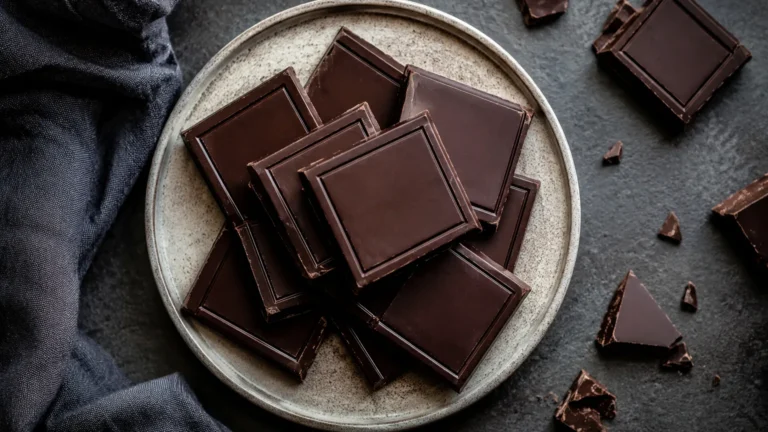
The simple fix is to measure it instead of eyeballing it from the jar. Scoop a level two-tablespoon serving onto a plate or into a recipe rather than dipping a spoon repeatedly. Pairing it with celery, a square of dark chocolate, or a few berries also slows you down and turns it into a deliberate snack rather than an open-ended habit. Treat it as the rich, satisfying food it is, and it stays an asset rather than a sneaky calorie sink.
Powdered Peanut Butter: a Lighter Option
If calories are your concern, powdered peanut butter is worth knowing about. It is made by pressing most of the oil out of roasted peanuts and grinding what remains into a powder, which slashes the fat and calories while keeping the flavor. A serving has far fewer calories than the regular spread, though it also loses much of the fat that makes peanut butter so filling on keto. Watch the label here too, because some powdered versions add sugar to compensate for flavor; the plain ones are the keto pick.
Powdered peanut butter shines in recipes more than on a spoon. Stir it into keto smoothies, yogurt, or baking to add peanut flavor without the calorie load of the full-fat spread. It is also a handy way to get that taste into our keto-friendly snacks without blowing the fat budget. For straight spreading, though, the natural full-fat jar still wins on satisfaction.
Peanut Butter vs Almond Butter on Keto
Almond butter often gets called the more keto choice, but the two are closer than people assume. Almond butter has a touch more fiber and slightly more micronutrients, while peanut butter usually has a bit more protein and a lower price. In net carbs they are nearly identical, both landing in the low-single-digit range per serving when unsweetened. The same rule applies to both: the only thing that ruins either one is added sugar, so a clean jar of either fits keto comfortably.
Choose based on taste, budget, and any allergies rather than a meaningful carb difference. If you prefer peanut butter, there is no nutritional reason to switch. One technical note that sometimes worries people is that peanuts are botanically legumes, not true nuts, and legumes are usually limited on keto. In practice the net carbs are low enough that natural peanut butter remains keto-friendly despite the classification.
Tasty Ways to Use Peanut Butter on Keto
Once you know a clean jar fits your macros, the fun part is putting it to work. Beyond eating it off a spoon, natural PB is one of the most versatile keto ingredients in the kitchen. It thickens sauces, enriches smoothies, and forms the base of countless low-carb desserts that taste nothing like diet food. Because it is so satisfying, a little goes a long way, which keeps both the carbs and the calories in check while still scratching the sweet-and-salty itch that ends a lot of diets.
- Fat bombs: blend with butter or coconut oil and a keto sweetener, then chill into bite-size treats.
- Keto sauce: thin with a little warm water and soy sauce for a low-carb satay-style dip.
- Smoothies: a spoonful with unsweetened almond milk and cocoa makes a filling shake.
- Celery boats: the classic crunchy, high-fiber, low-carb snack.
These uses turn a simple pantry staple into the backbone of a whole category of keto recipes. The key in every case is the same one from the start of this guide: begin with a natural, unsweetened jar, and the rest takes care of itself. A sweetened spread would sneak carbs into every one of these, while a clean one keeps them all firmly keto.
An Allergy and Quality Note
Two quick points round this out. First, peanuts are one of the nine major food allergens the FDA requires to be labeled, so peanut butter is off the table for anyone with a peanut allergy, keto or not. Second, the FDA’s standard of identity requires that any product labeled “peanut butter” be at least 90 percent peanuts, which is why even conventional jars are mostly peanuts; the issue is the small sweetened remainder, not the peanuts. Choosing a natural jar simply removes that added portion and keeps the spread firmly in keto territory.
Common Keto Mistakes With Peanut Butter
Even though the spread is keto friendly, a few habits quietly undo its benefits. The first and biggest is buying the wrong jar out of habit, grabbing the familiar sweetened brand without checking the label. The second is treating it as unlimited because it is high in fat, then losing track of how much went on the spoon. The third is falling for clever marketing, since a jar can say “natural” on the front and still list sugar on the back. Each of these is easy to fix once you know to watch for it.
Another subtle trap is the “keto” or “low-sugar” label on novelty spreads, which is not a tightly regulated claim. Some of these products swap sugar for fillers or still carry more carbs than a plain natural jar, so they are not automatically a better choice. The reliable move is always the same: ignore the front of the package and read the ingredient list and the net-carb math on the back. A plain jar of peanuts is almost always cheaper and cleaner than a specialty product dressed up for the keto crowd.
Finally, do not forget that liquids and add-ins count too. Stirring peanut butter into a sweetened plant milk, a sugary protein shake, or a store-bought sauce can pile on carbs that have nothing to do with the peanuts. The spread itself stays keto; it is the company it keeps that sometimes does not. Keep the partners as clean as the jar, and peanut butter remains one of the easiest wins on the whole diet.
Frequently Asked Questions
How many carbs are in peanut butter on keto?
A two-tablespoon serving of natural peanut butter has about 4 grams of net carbs, from roughly 7 grams of total carbs minus 3 grams of fiber. That fits easily within a daily keto limit of 20 to 50 grams.
Which peanut butter is best for keto?
Choose a natural, unsweetened jar whose only ingredients are peanuts and maybe salt. Brands like Crazy Richard’s, Smucker’s Natural, and Whole Foods natural keep net carbs low because they skip added sugar and oils.
Can I eat peanut butter every day on keto?
Yes, in measured portions. The carbs are low, but peanut butter is calorie-dense at about 190 calories per two tablespoons, so portion it out rather than eating from the jar to avoid stalling weight loss.
Is Jif or Skippy keto friendly?
The original sweetened versions are not ideal because they contain added sugar, which raises the carbs. Both brands and others now offer natural versions with no added sugar, listing only peanuts and salt, and those are the keto-friendly choice to look for on the shelf.
Are peanuts keto if they are legumes?
Yes. Although peanuts are technically legumes rather than true nuts, their net carbs are low enough that natural peanut butter and peanuts in moderation stay keto-friendly, unlike higher-carb legumes such as beans.
The Takeaway
So, is peanut butter keto friendly? Absolutely, as long as you buy the natural kind and keep an eye on your portion. At around 4 grams of net carbs per serving, an unsweetened jar of peanuts and salt is a high-fat, filling staple that fits any keto plan, while the sweetened versions are the only ones to avoid. Read the ingredient list, measure your servings instead of free-pouring from the jar, and reach for powdered peanut butter when you want the flavor with fewer calories. For a tasty way to use it, try our keto peanut butter cookies next.