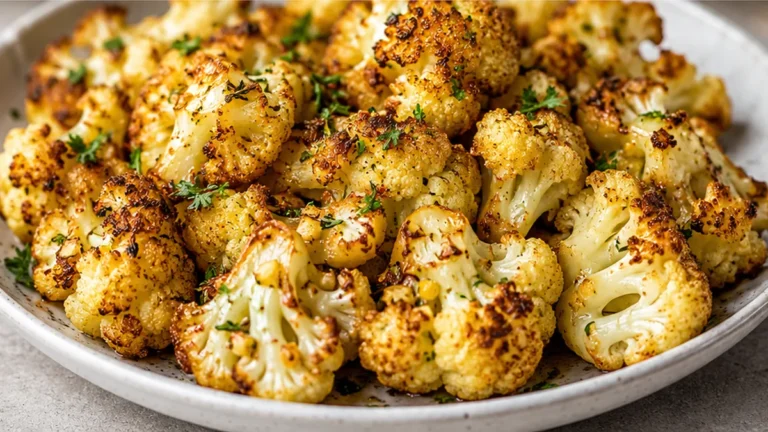
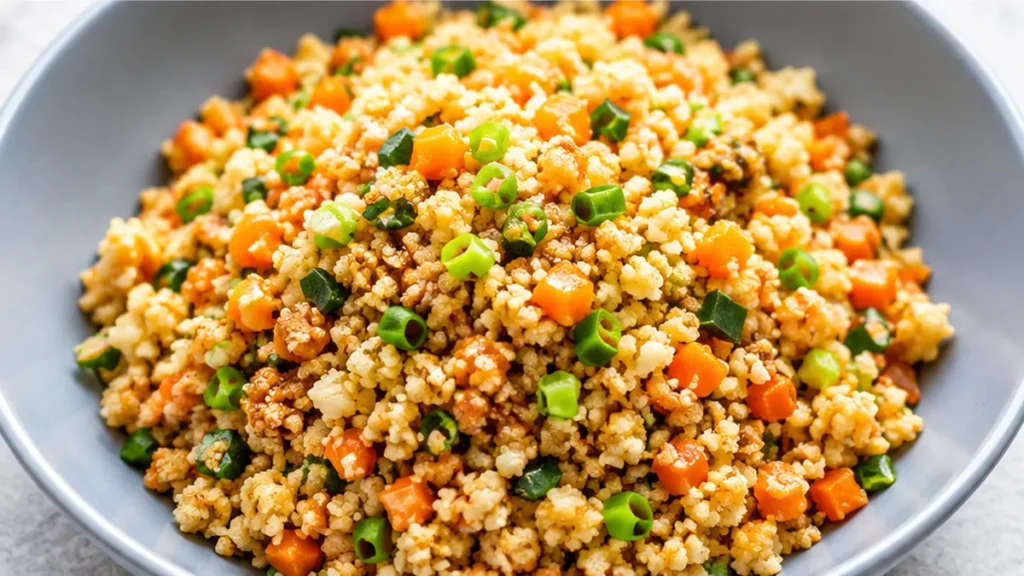
The quest for delicious low-carb meals often leads to bland, uninspired dishes. This Asian Cauliflower Rice recipe shatters that stereotype, offering a bright, flavorful, and incredibly satisfying alternative to traditional rice. It’s a weeknight savior that comes together in under 30 minutes, proving that healthy eating can be exciting and deeply flavorful. This cauliflower rice is more than just a substitute; it’s a star. Loaded with crisp vegetables and coated in a savory blend of oyster and soy sauce, it delivers complex umami notes with every bite. Perfect for those following keto, paleo, or simply looking to reduce their carb intake without sacrificing taste.
Key takeaways
- Moisture control is crucial for fluffy cauliflower rice.
- Sauté over medium-high heat to prevent sogginess.
- Season with aromatics for enhanced flavor.
- Substituting sauces can change the dish’s flavor profile significantly.
Asian Cauliflower Rice Magic!
Ingredients
- 3 cups Cauliflower florets
- 1 tablespoon Vegetable Oil
- 1 teaspoon Garlic (minced)
- 1 tablespoon Celery (finely chopped)
- 1/2 cup Carrots (diced)
- 1/2 cup Bell Peppers (diced)
- 1/2 cup Zucchini (diced)
- 2 tablespoons Oyster Sauce
- 1 tablespoon Soy Sauce
- 1 tablespoon Toasted Sesame Oil
Instructions
- Add cauliflower florets to a food processor and pulse until it resembles small bits.
- Heat vegetable oil in a pan and stir fry garlic and celery until fragrant.
- Add diced carrots, bell peppers, and zucchini, stir frying on high heat for 2-3 minutes.
- Mix in oyster sauce, soy sauce, and toasted sesame oil, then add riced cauliflower.
- Stir fry for 2-3 minutes until the cauliflower softens slightly but is not mushy.
- Serve immediately, topped with green onions and sesame seeds.
Video
Notes
Understanding Cauliflower Rice: The Science Behind the Magic
Cauliflower rice is a low-carb alternative to traditional rice, created by finely chopping or grating cauliflower florets. This process breaks down the vegetable’s cellular structure, allowing it to mimic the texture of rice. The critical factor in achieving the right consistency lies in moisture control. Cauliflower has a high water content, approximately 92%, which can lead to a soggy dish if not managed properly. Cooking at medium-high heat allows for quick evaporation of excess moisture, ensuring your cauliflower rice remains fluffy and not mushy.
Common Pitfalls and How to Fix Them
There are several common issues that can arise when preparing cauliflower rice. Here are some failure-fix pairs:
- Too Watery: If your cauliflower rice turns out soggy, it may be due to excess moisture. To fix this, ensure you dry the cauliflower thoroughly after processing and cook it over medium-high heat to evaporate any remaining water.
- Uneven Texture: Chopping cauliflower too coarsely can result in uneven cooking. For a consistent texture, use a food processor and pulse until the cauliflower resembles rice grains.
- Flavorless Dish: If the cauliflower rice lacks flavor, it may be under-seasoned. Enhance the taste by sautéing it with garlic, onions, or other aromatics before adding sauces.
Ingredient Swaps and Their Effects
Substituting ingredients can significantly alter the flavor profile and texture of your cauliflower rice dish. Here are some swaps to consider:
- Oyster Sauce for Hoisin Sauce: This swap will lend a sweeter flavor, which can be beneficial if you prefer a hint of sweetness in your dish, but it may compromise the umami depth.
- Vegetable Oil for Olive Oil: While both oils can be used for sautéing, olive oil has a stronger flavor that may dominate the dish. Vegetable oil offers a more neutral taste.
- Sesame Oil for Peanut Oil: Using peanut oil instead of sesame oil will provide a different flavor profile; peanut oil has a higher smoke point and a more pronounced nutty taste.
Unique Characteristics of Cauliflower Rice
One standout feature of cauliflower rice is its versatility. Unlike traditional rice, which is primarily a carbohydrate source, cauliflower rice is rich in vitamins C and K, fiber, and antioxidants. This makes it not only a healthier alternative but also a more nutrient-dense option. Additionally, cauliflower rice can be easily flavored and adapted to various cuisines, making it a fantastic base for stir-fries, grain bowls, and more.
Understanding the Role of Fresh Ingredients in Cauliflower Rice
The quality of your vegetables significantly impacts the flavor and texture of your cauliflower rice. Fresh, seasonal produce tends to have more vibrant flavors and is often more nutritious. For instance, using freshly harvested bell peppers can enhance the sweetness of the dish, while older vegetables may lead to a more muted taste. Aim for firm, brightly colored vegetables, and avoid those that show signs of wilting or spoilage. The freshness of your ingredients not only contributes to the overall taste but also affects the cooking time, as fresher vegetables may retain more moisture, requiring slight adjustments in cooking duration.
Batch Scaling: How to Adjust Quantities for Larger Servings
Scaling your cauliflower rice recipe for larger gatherings is straightforward, but it requires careful attention to cooking times and ingredient ratios. When doubling or tripling the recipe, maintain the same proportions of cauliflower to vegetables and sauces. However, be mindful that larger batches may require longer cooking times to ensure even heat distribution. For example, when cooking in a larger skillet, you may need to stir more frequently to prevent burning. Additionally, consider cooking in batches if your pan is not large enough to accommodate all the ingredients at once, ensuring that each batch is cooked thoroughly.
Choosing the Right Equipment for Perfect Cauliflower Rice
The equipment you use can significantly influence the texture of your cauliflower rice. A food processor is ideal for achieving a uniform rice-like consistency, but over-processing can lead to a mushy texture. If you don’t have a food processor, a box grater can work, though it may require more effort. For cooking, a large skillet or wok is recommended to allow for even cooking and easy stirring. Non-stick cookware can help prevent sticking and burning, particularly when using minimal oil. Always ensure your equipment is preheated adequately to promote even cooking and prevent excess moisture.
Optimal Serving Suggestions and Pairings for Cauliflower Rice
Cauliflower rice is incredibly versatile and can be paired with a variety of dishes to enhance your meal. It serves as an excellent base for stir-fries, curries, or grilled proteins, allowing the flavors of the main dish to shine through. For a refreshing touch, consider serving it with a side of pickled vegetables or a zesty sauce. Additionally, garnishing with fresh herbs like cilantro or green onions can elevate the dish’s presentation and flavor profile. Experimenting with different proteins, such as shrimp or tofu, can also provide a delightful contrast in textures and flavors, making your meal more satisfying.
Maximizing Freshness: Make-Ahead and Storage Tips
When preparing cauliflower rice, timing and freshness are crucial. If you want to make it ahead of time, consider storing it in an airtight container in the refrigerator. Freshly made cauliflower rice can last for up to 3 days when stored properly. For longer storage, consider freezing it. Spread the cauliflower rice in a single layer on a baking sheet and freeze until solid. Once frozen, transfer it to a freezer-safe bag, where it can be stored for up to 3 months. This method helps prevent clumping and maintains texture. When ready to use, thaw it overnight in the refrigerator or sauté it directly from frozen, adjusting cooking time accordingly.
Scaling Up: Adjusting Quantities for Larger Servings
Scaling your cauliflower rice recipe for larger gatherings requires attention to both ingredient ratios and cooking methods. When increasing the quantity, maintain the same proportions of cauliflower to vegetables and sauces to ensure flavor balance. For instance, if doubling the recipe, use 6 cups of cauliflower florets and adjust the vegetable oil and sauces accordingly. However, be cautious with the cooking equipment; a larger batch may require a bigger pan to prevent overcrowding, which can lead to steaming rather than sautéing. This ensures each grain of cauliflower rice gets the necessary heat for optimal texture and flavor. Remember, cooking time may increase slightly, so monitor closely to achieve the desired doneness.
Seasonal Variations: Adapting Ingredients for Quality
Ingredient quality significantly impacts the flavor and texture of cauliflower rice. Seasonal vegetables like bell peppers, carrots, and zucchini can vary in sweetness and texture based on their harvest time. For the best results, opt for fresh, in-season produce, as they tend to be more flavorful and nutrient-rich. Additionally, consider incorporating seasonal herbs or spices to elevate the dish. For example, in the summer, fresh basil or mint can add a refreshing twist, while in the fall, a hint of nutmeg or cinnamon can complement roasted vegetables. This adaptability not only enhances the dish but also keeps it exciting and aligned with seasonal eating practices.
Understanding the Impact of Ingredient Quality on Flavor
The quality of the vegetables used in your Asian Cauliflower Rice can significantly affect the final flavor profile of the dish. Fresh ingredients, such as crisp bell peppers and vibrant carrots, contribute to a more pronounced taste and texture. For instance, using organic vegetables can enhance the dish’s overall flavor due to their superior taste compared to conventionally grown produce. When selecting your ingredients, consider seasonal availability; for example, zucchini may be sweeter in the summer months. Additionally, the freshness of your garlic is crucial; older garlic can develop a bitter taste that may overpower the dish. Aim to use vegetables that are firm and brightly colored, as these are indicators of quality and freshness. This attention to ingredient quality not only enhances flavor but also adds nutritional benefits, making your dish both delicious and healthy.
Batch Scaling: Adjusting for Larger Servings
When preparing Asian Cauliflower Rice for a larger group, it’s essential to consider how to scale your ingredients effectively. The proportions of cauliflower to other vegetables should remain consistent to maintain the dish’s balance. For instance, if doubling the recipe, use 6 cups of cauliflower florets and adjust the vegetable oil and sauces accordingly. A common ratio is to maintain 1 tablespoon of vegetable oil for every 3 cups of cauliflower. Additionally, ensure that your cooking equipment can accommodate the larger batch; a larger skillet or wok may be necessary to ensure even cooking. Cooking in batches can also help prevent overcrowding, which can lead to steaming rather than sautéing. Keep in mind that the cooking time may slightly increase when preparing larger quantities, so monitor the vegetables closely to achieve that perfect tender-crisp texture.
Pro tips
- Use fresh cauliflower florets for the best ‘rice’ texture.
- Don’t over-process the cauliflower; aim for rice-like grains, not mush.
- Stir-fry vegetables on high heat to keep them crisp-tender.
- Adjust soy sauce and add salt to taste, as oyster sauce is already salty.
Enjoy this incredibly versatile and healthy cauliflower rice as a flavorful side or a complete light meal.
Frequently asked questions
Can I make cauliflower rice in advance?
Yes, you can prepare cauliflower rice in advance. Store it in an airtight container in the refrigerator for up to 3 days. For longer storage, consider freezing it, which can preserve its freshness for about a month.
How do I prevent my cauliflower rice from being mushy?
To avoid mushy cauliflower rice, ensure you dry the cauliflower thoroughly after processing and cook it quickly over medium-high heat. Avoid overcooking, as this can release excess moisture.
What can I serve with cauliflower rice?
Cauliflower rice pairs well with a variety of dishes. It can be served alongside stir-fries, grilled meats, or as a base for grain bowls. Its neutral flavor allows it to complement many cuisines.
Is cauliflower rice suitable for meal prep?
Absolutely! Cauliflower rice is great for meal prep as it holds up well when stored in the fridge or freezer. Just make sure to reheat it properly to maintain its texture.
More from Keto Sides & Veggies →