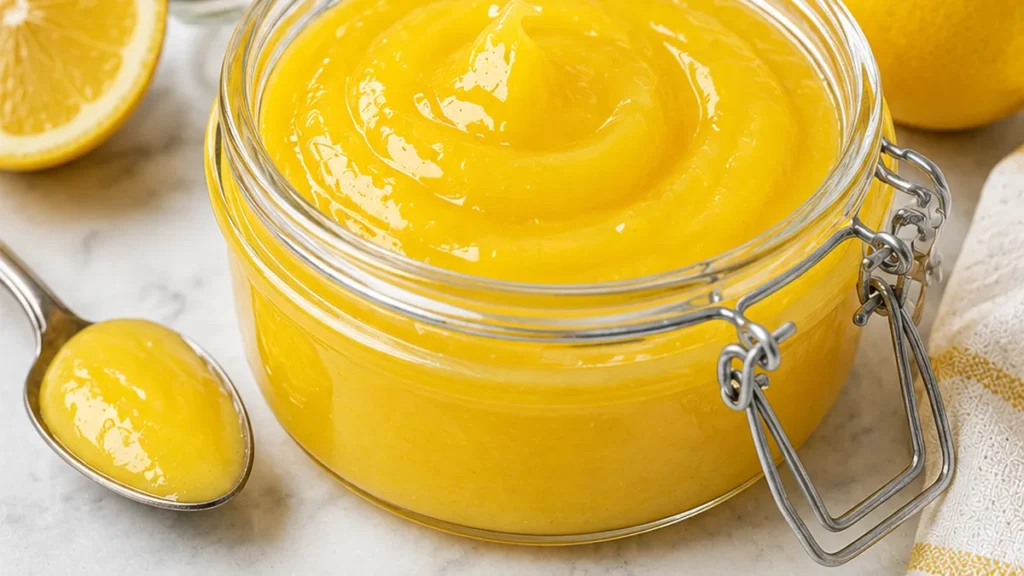
This keto lemon curd recipe uses simple ingredients and takes under 30 minutes to prepare. It offers a balance of sweet and tart flavors, ideal for low-carb baking.
Key takeaways
- Gentle, indirect heat is essential to prevent scrambled eggs.
- Constant stirring ensures an even, smooth texture.
- Strain the curd if lumps form; cook longer if too thin.
- Adjust sweetener and lemon juice to your taste preference.
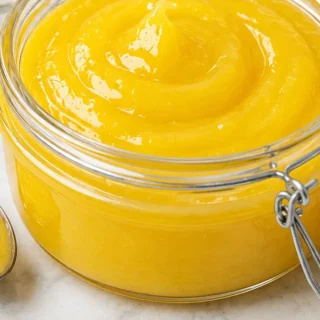
Zesty Keto Lemon Curd: The Ultimate Sugar-Free Treat!
Ingredients
- 1 cup butter
- 1/2 cup xylitol
- 1 medium lemon (zest)
- 1/2 cup lemon juice
- 6 large egg yolk
Instructions
- Gather and prepare all your ingredients. Please exercise caution: xylitol is extremely toxic to dogs.
- In a saucepan over low to medium heat, melt the butter.
- Add the xylitol, lemon zest, and lemon juice to the melted butter.
- Whisk the mixture until the xylitol is completely dissolved.
- Incorporate the egg yolks into the mixture.
- Continue whisking until the curd thickens to your desired consistency.
- Serve and enjoy your delicious keto lemon curd!
Notes
The technique that makes it
The key to a successful, silky smooth keto lemon curd lies in the gentle cooking of the egg yolks. This recipe utilizes a double boiler method, or a heatproof bowl set over a saucepan of simmering water. This indirect heat is crucial because it allows the egg yolks to thicken the lemon mixture without scrambling. Direct heat from the stovetop would cause the proteins in the egg yolks to coagulate too quickly, resulting in a lumpy, curdled texture. The butter, when slowly melted and incorporated, adds richness and a smooth mouthfeel, while also helping to emulsify the mixture. The xylitol dissolves into the liquid, providing sweetness without the carbohydrates. Zesting the lemon first releases the fragrant oils, intensifying the lemon flavor without adding bitterness. The lemon juice provides the essential tartness that balances the sweetness and richness. Stirring constantly is paramount to ensure even heating and prevent any part of the mixture from overheating and scrambling.
Troubleshooting
- Problem: Curd is lumpy or scrambled. Fix: This is usually due to overheating. Reheat the mixture gently over a double boiler, whisking constantly. If lumps persist, strain the curd through a fine-mesh sieve to remove them.
- Problem: Curd is too thin. Fix: The curd may not have been cooked long enough, or the heat was too low. Return the mixture to the double boiler and cook, stirring, until it coats the back of a spoon. For a thicker result next time, you can slightly increase the egg yolks or reduce the lemon juice.
- Problem: Curd is too sweet or not tart enough. Fix: Adjust the xylitol and lemon juice to your preference. For more tartness, add a little more lemon juice. For less sweetness, reduce the xylitol slightly in future batches.
- Problem: Curd has a slightly eggy taste. Fix: Ensure the egg yolks are thoroughly cooked by reaching the desired thickening point. Using fresh eggs also helps. The lemon flavor should be strong enough to mask any slight eggy notes.
Substitutions
- Sweetener: Erythritol or a monk fruit/erythritol blend can be used instead of xylitol. The sweetness profile may vary slightly, so adjust to taste. Be aware that xylitol is toxic to dogs.
- Lemon Juice: Lime juice can be substituted for a zesty lime curd. The tartness is similar, though the flavor profile will be distinctly different.
- Butter: Ghee (clarified butter) can be used for a slightly nuttier flavor and to reduce dairy solids. Ensure it’s unsalted if using.
- Egg Yolks: While not ideal, a small amount of xanthan gum (1/4 to 1/2 teaspoon) can be added as a thickener if you need to reduce the egg yolks, but this will alter the texture and richness significantly. The curd will be less creamy.
Pro tips
- For an extra smooth curd, strain it through a fine-mesh sieve after cooking.
- Store in an airtight container in the refrigerator for up to 1 week.
- Be extremely cautious if you have pets, as xylitol is highly toxic to dogs.
Enjoy this delightful keto lemon curd as a topping, filling, or a simple treat on its own.
More from Keto Desserts & Sweets →
Frequently asked questions
Can I use whole eggs instead of just yolks?
Using whole eggs will result in a thinner, less rich curd because the whites contain more water and less fat. The texture will be more custardy and less creamy. For the best results and the signature silky texture, stick to using only the yolks.
How long does keto lemon curd last in the refrigerator?
Properly stored in an airtight container, this keto lemon curd will typically last for about 5-7 days in the refrigerator. Ensure it is cooled completely before sealing and refrigerating to prevent condensation, which can affect its texture and shelf life.
Can I freeze keto lemon curd?
Yes, you can freeze keto lemon curd. It’s best to freeze it in small portions, like in ice cube trays, for easy thawing. The texture may change slightly upon thawing, becoming a bit more watery, but it can be whisked back together.
What is the best way to store lemon zest?
For this recipe, use the zest immediately after zesting the lemon. If you have extra zest, you can store it in a small airtight container in the freezer for later use. It will lose some of its aromatic potency over time but is still usable for flavoring.