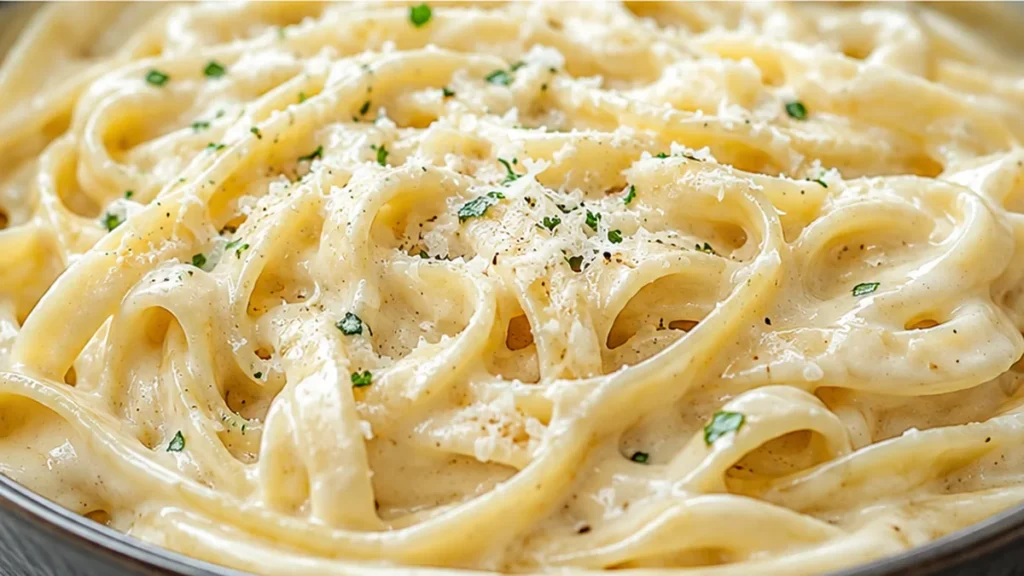
The secret to a truly outstanding easy alfredo sauce lies in the quality of your ingredients and a gentle hand with the heat. This recipe delivers a velvety, restaurant-quality sauce in a fraction of the time, making it a weeknight dinner hero. Cranking the heat too high on easy alfredo separates the cheese into an oily mess. Learning to keep the heat low and stir constantly is key to a smooth, emulsified sauce. This version relies on a rich combination of butter, heavy cream, and two types of cheese for depth and incredible texture.
Key takeaways
- Use freshly grated cheese for a smooth sauce.
- Sauté garlic gently to avoid bitterness.
- Maintain low heat to prevent separation of the sauce.
- Gradually add cheese to ensure even melting.
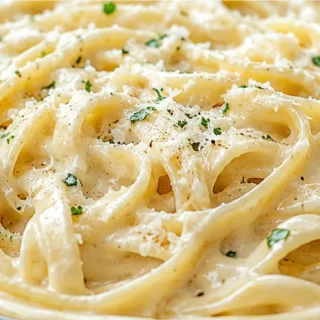
Creamy Garlic Alfredo: 15-Minute Dream Sauce!
Ingredients
- 1/2 cup Butter (113g)
- 3 tsp Minced Garlic
- 2 cups Heavy Cream
- 2 cups Freshly Grated Parmesan Cheese
- 1.5 cup Freshly Grated Asiago Cheese
- Salt (to taste)
- Pepper (to taste)
Instructions
- Melt butter in a large skillet over medium-low heat. Add minced garlic and cook for 1 minute until fragrant.
- Pour in heavy cream and bring to a gentle simmer, stirring constantly.
- Reduce heat to low. Gradually stir in Parmesan and Asiago cheeses until melted and smooth.
- Season with salt and pepper to taste. Cook for 2-3 minutes until sauce thickens slightly.
- Remove from heat and serve hot over your favorite pasta.
Notes
Understanding the Creamy Base of Alfredo Sauce
The foundation of a great Alfredo sauce lies in its creamy texture, achieved primarily through the use of heavy cream and butter. The ratio of 2 cups of heavy cream to 1/2 cup of butter creates a rich emulsion that coats pasta beautifully. When heated gently, the fat from the butter and the cream emulsifies, creating a smooth sauce. Aim for a temperature around 160°F (71°C) to avoid boiling, which can cause separation.
Perfecting the Garlic Flavor
Minced garlic is a crucial ingredient that adds depth to the sauce. Cooking 3 teaspoons of minced garlic in butter allows the flavors to infuse without burning. Garlic should be sautéed over medium-low heat for about 1-2 minutes until fragrant. Overcooking can lead to bitterness, so keep a close eye on it. If the garlic turns brown, it can negatively affect the sauce’s flavor.
Achieving the Right Cheese Blend
Using freshly grated Parmesan and Asiago cheese is essential for the best flavor and texture. The combination of 2 cups of Parmesan and 1.5 cups of Asiago provides a balance of sharpness and creaminess. Grating cheese yourself ensures it melts smoothly, as pre-grated cheese often contains anti-caking agents that can affect the sauce’s consistency. Stir the cheese in gradually over low heat to promote even melting.
Common Mistakes and Their Solutions
- Problem: Sauce is too thin.
- Cause: Not enough cheese or not enough cooking time for the cheese to melt.
- Fix: Add more cheese gradually, allowing it to melt completely.
- Problem: Sauce is gritty.
- Cause: Using pre-grated cheese or adding cheese too quickly.
- Fix: Use freshly grated cheese and stir in small amounts.
- Problem: Sauce has a burnt taste.
- Cause: Cooking garlic too long or overheating the butter.
- Fix: Reduce heat and monitor garlic closely.
- Problem: Sauce separates.
- Cause: Boiling or using cold ingredients.
- Fix: Maintain a gentle simmer and ensure all ingredients are at room temperature before combining.
Ingredient Swaps and Their Impact
- Swap: Use half-and-half instead of heavy cream.
- Result: A lighter sauce, but with reduced creaminess.
- Swap: Substitute Pecorino Romano for Parmesan.
- Result: A sharper, saltier flavor profile.
- Swap: Use garlic powder instead of fresh garlic.
- Result: A different flavor depth, less pungent, but easier to manage.
- Swap: Replace butter with olive oil.
- Result: A slightly different texture and flavor, with a more pronounced olive taste.
How to Store Creamy Garlic Alfredo for Later Use
To store your creamy garlic Alfredo sauce, allow it to cool completely before transferring it to an airtight container. This sauce can be refrigerated for up to 3 days. When reheating, do so gently over low heat, adding a splash of heavy cream to restore its creamy consistency. Avoid high heat, which can cause the sauce to separate.
Scaling the Recipe: How to Adjust for Larger or Smaller Portions
This recipe is easily scalable. For each additional serving, increase the butter, cream, and cheese in equal ratios. For example, if doubling the recipe, use 1 cup of butter, 4 cups of heavy cream, and 4 cups of cheese. Maintain the same ratio of 1:4 for cheese to cream for optimal creaminess. Adjust seasoning accordingly, tasting as you go.
Equipment Considerations: Choosing the Right Tools for Success
Using a heavy-bottomed saucepan or skillet is essential for making creamy garlic Alfredo. This type of cookware distributes heat evenly, preventing the sauce from scorching. A whisk is ideal for combining ingredients smoothly, while a wooden spoon can help scrape up any bits that may stick to the bottom. Avoid non-stick pans for this recipe, as they can make it difficult to achieve the desired emulsion.
Seasonal Ingredients: How Freshness Affects Your Alfredo
Using fresh, high-quality ingredients is crucial for a flavorful Alfredo sauce. In peak seasons, opt for fresh garlic and high-quality cheeses. Fresh garlic has a more intense flavor, while aged cheeses provide a deeper taste profile. If using pre-grated cheese, be aware that anti-caking agents can affect the sauce’s texture. Always choose freshly grated cheese for the best results.
Why the choice of cheese affects the sauce’s texture
The creamy garlic Alfredo sauce relies heavily on the type of cheese used. Parmesan and Asiago are both hard cheeses that melt well, but their moisture content differs. Parmesan has about 30% moisture, while Asiago can range from 35% to 40%. Using too much of the moisture-rich cheese can lead to a sauce that is too thin. Aim for a ratio of 2:1 for Parmesan to Asiago for a balanced, creamy texture. If the sauce is too thick, adding a splash of heavy cream can help achieve the desired consistency.
How to avoid a grainy texture in your sauce
A grainy texture in Alfredo sauce is often caused by improperly melted cheese or adding cheese too quickly. To prevent this, ensure that the sauce is kept at a gentle simmer when incorporating the cheese. Gradually add the cheese in small handfuls, allowing it to melt fully before adding more. This process allows for a smooth emulsion, ensuring that the fat from the cheese integrates seamlessly with the cream. If the sauce does become grainy, whisking vigorously can help to re-emulsify it.
Understanding the impact of heat control on sauce consistency
Heat control is critical when making Alfredo sauce. Cooking the sauce over high heat can cause the cream to boil, leading to separation and a curdled appearance. Maintain a medium-low heat throughout the process. The ideal temperature for simmering heavy cream is around 180°F (82°C). This allows the flavors to meld without risking the integrity of the sauce. If you notice the sauce thickening too quickly, reduce the heat and stir continuously to ensure even cooking.
How to enhance the flavor profile with seasonal ingredients
While traditional Alfredo sauce is rich and creamy, incorporating seasonal ingredients can elevate the flavor profile. For example, adding fresh herbs like basil or parsley in the spring can provide a burst of freshness. In the fall, consider incorporating roasted garlic or butternut squash puree for a deeper, sweeter flavor. These additions not only enhance the taste but also provide a beautiful contrast to the creamy base. Just be mindful of the moisture content of these ingredients, as they can affect the sauce’s consistency.
How to Make Creamy Garlic Alfredo Ahead of Time
Preparing creamy garlic Alfredo sauce in advance can save time and ensure a quick meal. To make it ahead, cook the sauce as directed and allow it to cool to room temperature. Transfer it to an airtight container and refrigerate for up to three days. When ready to serve, gently reheat over low heat, stirring frequently. If the sauce thickens, add a splash of heavy cream to restore its creamy consistency. Keep in mind that the flavors may intensify as it sits, so taste and adjust seasoning before serving.
The Impact of Ingredient Quality on Alfredo Sauce
The quality of ingredients significantly affects the final outcome of creamy garlic Alfredo. Using fresh, high-quality Parmesan and Asiago cheese is essential for achieving a rich flavor and smooth texture. Avoid pre-grated cheeses, as they often contain anti-caking agents that can lead to a grainy sauce. Additionally, fresh garlic provides a more robust flavor compared to jarred minced garlic. Seasonal ingredients, such as fresh herbs or vegetables, can elevate the dish, adding depth and freshness. Remember, the better the ingredients, the more flavorful your Alfredo will be.
The Importance of Timing in Sauce Preparation
Timing is crucial when making creamy garlic Alfredo. Start by melting the butter over medium heat, allowing it to foam slightly without browning, which should take about 1-2 minutes. Add minced garlic and sauté for 30 seconds until fragrant, ensuring it does not burn. Once the garlic is aromatic, pour in the heavy cream, stirring continuously. Bring the mixture to a gentle simmer, which should take about 3-4 minutes. This step allows the cream to incorporate fully with the butter and garlic, creating a smooth base. Afterward, gradually add the cheeses while stirring constantly to achieve a creamy consistency. If the cheese is added too quickly, it may clump, leading to a grainy texture. The entire cooking process should not exceed 15 minutes to maintain the sauce’s freshness and flavor integrity.
How to Choose the Right Pasta for Creamy Garlic Alfredo
The type of pasta you pair with creamy garlic Alfredo can significantly affect your dining experience. Fettuccine is the traditional choice, as its flat shape holds the sauce well. However, you can also opt for linguine or even penne, which can trap the sauce within its tubular shape. When cooking pasta, ensure it is al dente, as it will continue to cook slightly when combined with the sauce. Typically, pasta should be boiled for about 8-10 minutes, depending on the type. Reserve a cup of pasta water before draining; this starchy liquid can be added to the sauce if it becomes too thick, ensuring a silky texture. Additionally, consider the seasonality of your pasta—fresh pasta, available in spring and summer, will yield a more delicate mouthfeel compared to dried pasta, which is often more robust and hearty.
Pro tips
- Use freshly grated cheeses; pre-shredded varieties often contain anti-caking agents that prevent smooth melting. This is crucial for a silky easy alfredo.
- Keep the heat low! High heat can cause the cheese to separate and the sauce to become grainy or oily. If it starts to look greasy, remove it from the heat and whisk vigorously.
- If your sauce becomes too thick, thin it with a tablespoon or two of warm pasta water until it reaches your desired consistency. Don’t add cold water or milk.
Master this easy alfredo and improve your pasta game instantly. Experiment with adding a pinch of nutmeg or a splash of white wine for a subtle twist. Enjoy your homemade culinary triumph!
Frequently asked questions
Can I make Alfredo sauce without heavy cream?
Yes, you can use half-and-half or milk, but the sauce will be lighter and less creamy. Adjust the cheese quantity to maintain richness.
How do I store leftover Alfredo sauce?
Store leftover sauce in an airtight container in the refrigerator for up to 3 days. Reheat gently on the stove, adding a splash of cream if needed.
Can I add vegetables to my Alfredo sauce?
Absolutely! Adding sautéed vegetables like spinach, broccoli, or mushrooms can enhance flavor and nutrition. Just ensure they are cooked before mixing them into the sauce.
Why is my Alfredo sauce grainy?
A grainy texture usually results from using pre-grated cheese or adding cheese too quickly. Always use freshly grated cheese and add it gradually while stirring.
More from Keto Dinners & Mains →