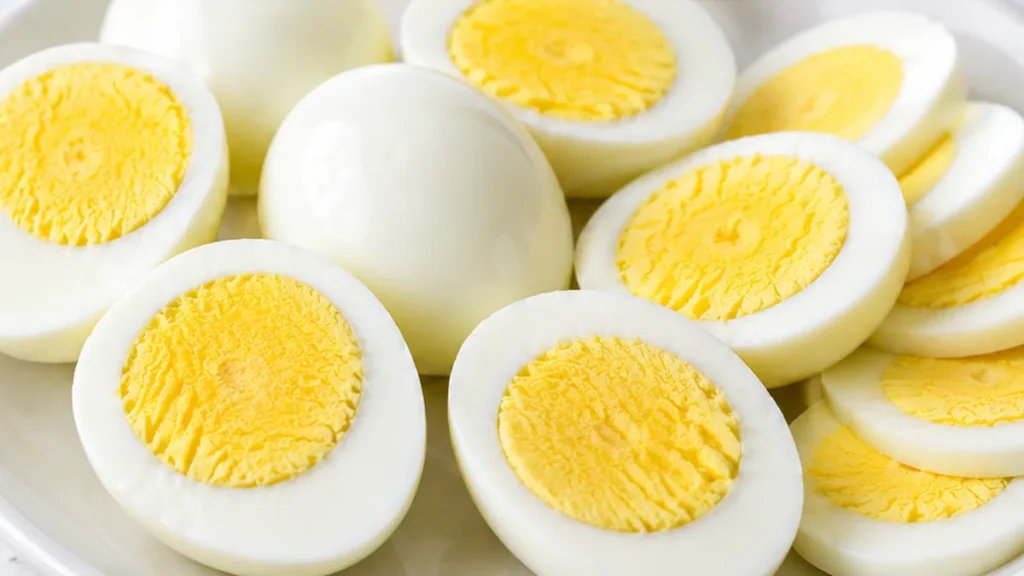
Crispy air fryer eggs are a quick and easy breakfast option. Using an air fryer ensures a perfectly cooked egg with a crispy exterior.
Key takeaways
- Cooking at 180°C (356°F) for 10-12 minutes yields crispy results.
- Reduce temperature and time to avoid rubbery texture.
- Consider ingredient swaps for enhanced flavor and texture.
- Air frying offers a healthier alternative to traditional frying methods.
Crispy Air Fryer Eggs
Ingredients
- 4 large eggs
- Cooking spray
- 1/4 cup water
- Salt, to taste
- Pepper, to taste
- Ice bath (water and ice)
Instructions
- For Hard-Boiled: Preheat air fryer to 250°F (121°C). Place eggs in the basket and cook for 12-17 minutes. Rotate halfway.
- For Hard-Boiled: Immediately plunge cooked eggs into an ice bath for 10 minutes until fully cooled.
- For Scrambled: Place an oven-safe ramekin in the air fryer. Preheat to 400°F (204°C).
- For Scrambled: Spray the hot ramekin with cooking spray. Crack 1-2 eggs into it. Whisk eggs with water, salt, and pepper.
- For Scrambled: Cook at 350°F (177°C) for 5 minutes. Stir every minute until desired consistency is reached.
- Serve immediately and enjoy your perfectly cooked air fryer eggs!
Understanding the Science Behind Crispy Air Fryer Eggs
The texture and crispiness of air fryer eggs are influenced by several factors, including temperature, cooking time, and the egg’s initial state. When eggs are cooked at a higher temperature, the proteins denature and coagulate, creating a firm structure. The ideal cooking temperature for crispy air fryer eggs is around 180°C (356°F), which allows for even cooking without over-drying. Typically, cooking for about 10-12 minutes achieves a crispy exterior while maintaining a tender interior.
Common Issues and Their Solutions for Crispy Air Fryer Eggs
One common issue is eggs that turn out rubbery or overcooked. This can be due to cooking them at too high a temperature or for too long. To fix this, reduce the cooking temperature to 160°C (320°F) and shorten the cooking time. Another problem is uneven cooking; this often occurs if the eggs are overcrowded in the air fryer. To avoid this, ensure there’s enough space between each egg to allow for proper air circulation. Lastly, if the eggs lack flavor, consider seasoning them before cooking or adding a sprinkle of salt and pepper after cooking for enhanced taste.
Ingredient Alternatives for Enhanced Flavor and Texture
While the basic recipe for crispy air fryer eggs is straightforward, experimenting with different ingredients can elevate the dish. Swapping regular eggs for organic or free-range eggs may enhance the flavor due to the chickens’ varied diets. Additionally, incorporating spices such as paprika or garlic powder into the egg mixture can add a unique twist. For a richer texture, consider adding a small amount of cheese, which will melt and create a delightful contrast with the crispy exterior. However, be mindful that adding cheese may increase the cooking time slightly, requiring closer monitoring.
Unique Characteristics of Air Fryer Eggs Compared to Traditional Methods
Crispy air fryer eggs stand out from traditionally boiled or pan-fried eggs primarily due to their texture. The air fryer’s rapid air circulation creates a crisp layer on the outside while keeping the insides moist. This method also reduces the need for excessive oil, making it a healthier option compared to frying. Moreover, the air fryer can produce a more consistent result, with less risk of overcooking, making it an excellent choice for those looking to achieve perfectly cooked eggs every time.
How to Properly Store Leftover Crispy Air Fryer Eggs
Storing crispy air fryer eggs can be tricky due to their delicate texture. To maintain their crispiness, allow the eggs to cool completely before storing. Place them in an airtight container lined with paper towels to absorb excess moisture. Store in the refrigerator for up to 3 days. When reheating, use the air fryer at a low temperature (around 150°C or 300°F) for a few minutes to restore their crispiness. Avoid microwaving, as it can make the eggs rubbery and soggy.
Scaling the Recipe for Larger Gatherings
Scaling the recipe for crispy air fryer eggs is straightforward, but it requires some adjustments. The air fryer can typically hold a limited number of eggs at once, depending on its size. For larger gatherings, consider cooking in batches or using multiple air fryers if available. Maintain the same cooking temperature (about 160°C or 320°F) and time, but monitor each batch closely, as cooking times may vary slightly with increased quantities. Ensure even spacing between eggs for optimal air circulation.
Choosing the Right Equipment for Perfectly Crispy Eggs
The type of air fryer can significantly affect the outcome of crispy air fryer eggs. Basket-style air fryers often circulate air more effectively than oven-style models, resulting in a better texture. If using an oven-style air fryer, consider preheating it to ensure consistent cooking. Additionally, using non-stick spray or a silicone mat can help prevent sticking and promote even browning. Always refer to the manufacturer’s guidelines for optimal cooking times and temperatures.
Pairing and Serving Suggestions for Crispy Air Fryer Eggs
Crispy air fryer eggs can be served in various ways to enhance their flavor and presentation. They pair wonderfully with fresh salads, avocado toast, or as a protein addition to grain bowls. For a more indulgent option, serve them with a drizzle of hollandaise sauce or sriracha for a spicy kick. Garnishing with fresh herbs like chives or parsley can elevate the dish visually and flavor-wise. Consider the seasonality of ingredients; fresh, local produce can enhance the overall dish.
How to Adjust Cooking Times for Different Egg Sizes
When making crispy air fryer eggs, the size of the eggs plays a crucial role in determining the cooking time. Standard large eggs typically require about 10-12 minutes at 160°C (320°F) for optimal crispiness. However, if you opt for medium or small eggs, you may need to reduce the cooking time by 1-2 minutes, while extra-large eggs may require an additional 1-2 minutes. This adjustment ensures that the whites set properly without overcooking the yolks. Always check for doneness by gently shaking the air fryer basket; the eggs should have a firm texture without any uncooked liquid. Additionally, consider using a digital thermometer to check internal temperatures, aiming for around 70°C (158°F) for a perfectly cooked egg.
Understanding the Impact of Egg Freshness on Texture
The freshness of your eggs significantly affects the texture and flavor of crispy air fryer eggs. Fresh eggs tend to have a firmer white and a richer yolk, leading to a more satisfying bite. Conversely, older eggs may result in a slightly less cohesive texture, which can affect crispiness. To determine egg freshness, you can perform the water test: place the egg in a bowl of water; if it sinks and lays flat, it’s fresh. If it stands upright or floats, it’s best to discard it. For the best results, use eggs that are no more than a week old. This not only enhances the taste but also contributes to a more appealing presentation when served.
Pairing Crispy Air Fryer Eggs with Seasonal Ingredients
Pairing crispy air fryer eggs with seasonal ingredients can elevate the dish and enhance its flavor profile. In spring, consider serving the eggs with asparagus or fresh herbs like chives and dill, which complement the richness of the yolk. Summer offers vibrant options such as tomatoes, avocado, or a fresh salsa, adding a refreshing contrast. In fall, try pairing with sautéed mushrooms or roasted squash for a heartier meal. Winter calls for root vegetables or hearty greens like kale or spinach, which can be sautéed and served alongside. These seasonal pairings not only enhance the dish’s flavor but also provide a visually appealing plate that celebrates the ingredients available at different times of the year.
How to Scale Up Your Crispy Air Fryer Eggs for Larger Gatherings
When preparing crispy air fryer eggs for a larger group, consider the capacity of your air fryer. Most air fryers can accommodate multiple eggs at once, but overcrowding can lead to uneven cooking. To scale the recipe effectively, ensure that each egg has enough space for air circulation. A good rule of thumb is to cook in batches if your air fryer is smaller than 5.8 liters. If you are using a larger model, you may be able to cook up to a dozen eggs at once without compromising on crispiness. Adjust the cooking time slightly, as larger batches may require an additional minute or two to achieve the desired crispiness. Always check for doneness before serving, especially when scaling up.
Understanding the Role of Egg Quality in Achieving Perfect Crispiness
The quality of the eggs you use can significantly influence the texture and crispiness of your air fryer eggs. Fresh eggs typically have firmer whites and yolks, which contribute to a better overall structure when cooked. As eggs age, the whites become thinner, and this can lead to less crispy results in the air fryer. For optimal crispiness, use eggs that are no more than a week old. Additionally, consider the method of storage; eggs should be kept in their original carton in the coldest part of your refrigerator to maintain freshness. If you’re using organic or free-range eggs, they may have a richer flavor and a more vibrant yolk, enhancing the overall taste of your crispy air fryer eggs.
Pro tips
Pro tip: Best served immediately while hot!
Frequently asked questions
What is the best temperature for cooking crispy air fryer eggs?
The optimal temperature for cooking crispy air fryer eggs is approximately 180°C (356°F). This temperature allows for even cooking and helps achieve a crispy exterior while keeping the inside tender.
How can I prevent my air fryer eggs from becoming rubbery?
To avoid rubbery eggs, cook them at a lower temperature, around 160°C (320°F), and shorten the cooking time. Monitoring the eggs closely will help prevent overcooking.
Can I add ingredients to my air fryer eggs for extra flavor?
Yes, you can enhance the flavor of your air fryer eggs by adding spices such as paprika or garlic powder before cooking. Cheese can also be added for a richer texture, but adjust cooking time accordingly.
How do air fryer eggs differ from traditionally cooked eggs?
Crispy air fryer eggs differ from traditional methods by offering a crisp exterior while maintaining moisture inside. The air fryer uses less oil, making it a healthier cooking option compared to frying.
More from Keto Breakfasts →