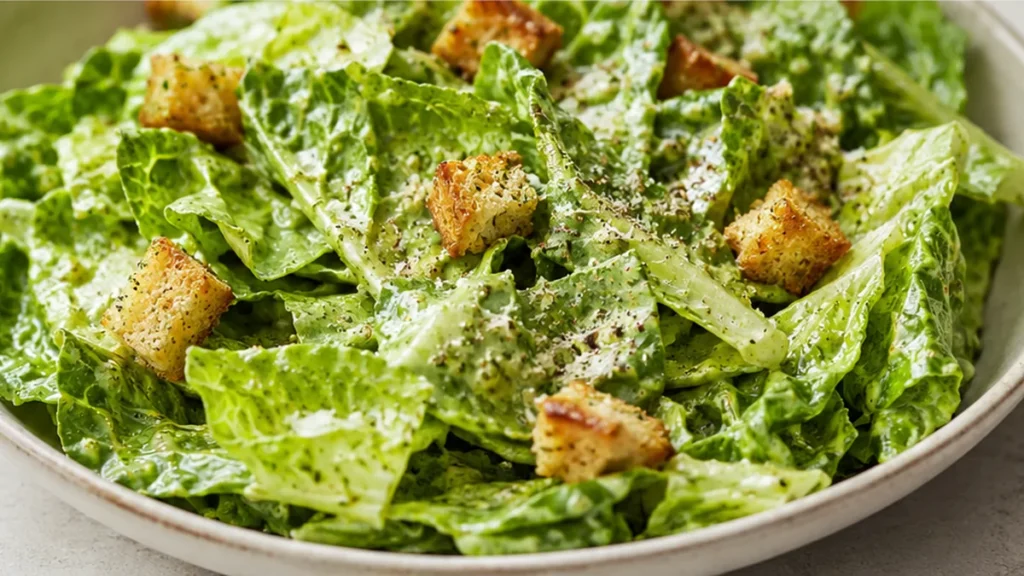
Pesto Caesar salad combines the classic elements of Caesar with a fresh, herbaceous twist from homemade pesto. This recipe enhances the traditional version with a flavorful kick, making it a standout dish that’s both simple to prepare and incredibly flavorful. It’s a perfect choice for anyone looking to add a gourmet touch to their weeknight meals or impress guests with a salad that’s far from ordinary. Balancing the acidity from the lemon with the richness of the oil and cheese is key to a harmonious pesto Caesar.
Key takeaways
- Achieve a stable emulsion by adding oil gradually to the egg mixture.
- Substituting ingredients can alter flavor profiles significantly.
- Whisking techniques are crucial for the right dressing consistency.
- This salad uniquely combines traditional Caesar flavors with vibrant pesto.
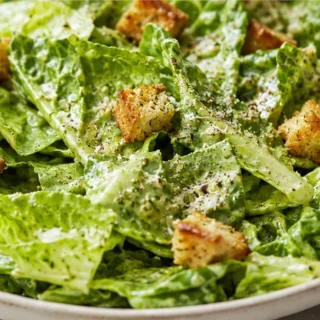
Zesty Pesto Caesar Salad!
Ingredients
- 2 egg yolks
- 2 anchovy filets, roughly chopped
- 2 medium garlic cloves, roughly chopped
- ½ teaspoon sea salt
- 2 tablespoons fresh lemon juice (from 1 lemon)
- ½ cup avocado oil or other neutral oil
- ½ teaspoon freshly cracked black pepper, plus more for serving
- ¼ cup pesto, homemade or store bought
- 8 cups chopped Romaine lettuce
- ½ cup finely grated Parmesan cheese
Instructions
- To a tall mason jar, add the egg yolks, anchovies, garlic, salt, and 1 tablespoon of the lemon juice. Use an immersion blender to blend for about 30 seconds.
- Continue blending and gradually pour in the oil, keeping the blender flat on the bottom of the jar. Slowly lift the blender up to incorporate the remaining oil.
- Add the remaining lemon juice, pepper, and pesto, then blend until combined.
- In a large bowl, toss the Romaine lettuce with the dressing and half of the grated Parmesan cheese. Top with the remaining Parmesan and pepper to taste.
Notes
Creating the Perfect Emulsion for Your Dressing
The key to a successful pesto Caesar salad lies in achieving a stable emulsion for the dressing. Start by whisking the egg yolks with anchovy filets and garlic. The emulsification process is crucial; the oil must be added gradually, ideally at a ratio of 1 part egg mixture to 2 parts oil, to create a creamy consistency. This process should take about 2-3 minutes of continuous whisking, ensuring that the oil is fully incorporated before adding the pesto and lemon juice.
Addressing Common Issues with Caesar Salad Dressings
If your dressing is too thick, it may be due to adding the oil too quickly. To fix this, whisk in a tablespoon of water or additional lemon juice to thin it out. Conversely, if the dressing is too runny, increase the emulsification time or add more egg yolk to thicken it. A dressing that separates indicates that the emulsion has failed; in this case, re-whisking with a teaspoon of mustard can help re-establish the emulsion.
Ingredient Substitutions and Their Effects
- Avocado oil: Substituting with olive oil adds a more robust flavor but may overpower the delicate balance of the salad.
- Pesto: Using a sun-dried tomato pesto instead of traditional basil pesto will give a sweeter, tangier flavor, altering the salad’s overall taste.
- Parmesan cheese: Grana Padano can replace Parmesan, offering a slightly milder flavor at a lower cost, while still providing a similar texture.
- Anchovies: For a vegetarian option, consider using capers; however, the umami depth will be less pronounced.
Understanding the Unique Flavor Profile of Pesto Caesar Salad
This salad combines the classic flavors of Caesar salad with the vibrant, herbaceous notes of pesto, a combination rarely seen in traditional recipes. The use of fresh lemon juice not only brightens the dish but also balances the richness of the oil and cheese. The unique blend of these ingredients creates a refreshing twist on the classic Caesar, making it a standout choice for any meal.
How to Prepare Pesto Caesar Salad in Advance
For those looking to save time, preparing your Zesty Pesto Caesar Salad in advance can be a game-changer. To maintain freshness, prepare the dressing and store it separately from the salad components. The dressing can be made up to 3 days in advance. Keep it in an airtight container in the refrigerator. The Romaine lettuce should be chopped and washed, then stored in a sealed container with a paper towel to absorb excess moisture. This will keep the lettuce crisp for up to 2 days. When ready to serve, simply toss the lettuce with the dressing and add the cheese and any additional toppings.
Scaling the Recipe for Larger Gatherings
Scaling your Zesty Pesto Caesar Salad for larger gatherings requires careful consideration of ingredient ratios. The original recipe serves about 4-6 people. To scale up, maintain the ratio of ingredients. For every additional 2 servings, add 1 egg yolk, 1 anchovy filet, and 1 tablespoon of lemon juice, along with 2 cups of chopped Romaine. Be cautious with the pesto; it can be potent. A good starting point is to add an additional 2 tablespoons for every 4 servings. Always taste as you go to ensure the balance of flavors remains intact.
Choosing the Right Equipment for Preparation
The equipment used can greatly affect the outcome of your Zesty Pesto Caesar Salad. A high-quality whisk or a food processor is essential for emulsifying the dressing. A food processor can create a smoother texture, while whisking by hand allows for more control over the emulsion. A salad spinner is also beneficial for drying the Romaine lettuce thoroughly after washing, ensuring that the dressing adheres better. Using a microplane for grating the Parmesan cheese will yield a finer texture that melts into the salad more effectively.
Seasonal Adjustments and Ingredient Quality
The quality of your ingredients can significantly impact the flavor of your Zesty Pesto Caesar Salad. During the summer, fresh basil for your pesto will be at its peak, offering vibrant flavor. Conversely, in winter months, consider using store-bought pesto if fresh basil is not available. Additionally, seasonal variations in vegetables can lead to different textures and flavors in your salad. For example, adding roasted seasonal vegetables can provide warmth and depth, while in spring, fresh peas or asparagus can add a crisp, refreshing element.
Understanding the Impact of Ingredient Freshness on Flavor
The quality of ingredients significantly affects the overall taste of your Zesty Pesto Caesar Salad. Fresh Romaine lettuce provides a crisp texture and mild flavor that complements the boldness of the pesto and dressing. Similarly, using high-quality, fresh pesto—whether homemade or store-bought—ensures a vibrant herbaceous flavor that can elevate the dish. When selecting Parmesan cheese, opt for a block of Parmigiano-Reggiano and grate it yourself for the best flavor profile. Freshly squeezed lemon juice is crucial; bottled lemon juice lacks the brightness and acidity that enhances the dressing’s complexity. The freshness of each ingredient not only contributes to the flavor but also impacts the salad’s visual appeal, making it more appetizing.
Scaling the Recipe Without Compromising Quality
When scaling up your Zesty Pesto Caesar Salad for larger gatherings, maintaining the balance of flavors and textures is essential. For every additional four servings, increase the quantities of the dressing ingredients proportionally, ensuring that the ratios remain consistent. However, it’s advisable to prepare the dressing in smaller batches to maintain its emulsion quality. A larger batch may lead to separation, which can affect texture and flavor. Additionally, consider the size of your mixing bowl. A larger bowl allows for better mixing and ensures that all ingredients are evenly coated. If you’re adding extra toppings, such as grilled chicken or croutons, be mindful of their ratios to the salad base to keep the dish harmonious.
Optimal Serving and Pairing for Maximum Enjoyment
Serving your Zesty Pesto Caesar Salad at the right temperature and with the right accompaniments can elevate the dining experience. Ideally, the salad should be served immediately after tossing to maintain the crispness of the lettuce and the freshness of the dressing. If you’re preparing the salad in advance, store the components separately: keep the chopped lettuce in a sealed container in the refrigerator and the dressing in a separate jar. When ready to serve, combine them to ensure optimal texture. Pairing the salad with a light protein, such as grilled shrimp or chicken, can enhance the meal, while crusty bread or garlic bread makes for a satisfying complement. A crisp white wine, such as Pinot Grigio, can also enhance the flavors of the dish.
Why the dressing can separate and how to stabilize it
The emulsion in your pesto Caesar dressing is crucial for achieving a creamy texture. If your dressing separates, it often results from not incorporating the oil gradually enough. To stabilize it, whisk the oil in slowly while continuously mixing, allowing it to emulsify properly. Aim for a ratio of 1 part egg yolks to 2 parts oil, ensuring you use about 120 grams of oil for every 60 grams of yolk. If separation occurs, re-emulsify by adding a teaspoon of water or lemon juice and whisking vigorously.
How to adjust flavors for seasonal ingredients
Seasonal ingredients can significantly impact the flavor profile of your pesto Caesar salad. For instance, summer provides fresh basil, which enhances the pesto’s brightness, while winter might offer more robust greens like kale. Adjust the lemon juice quantity based on the season; for milder winter greens, increase acidity to balance flavors. Additionally, quality Parmesan can vary; opt for a freshly grated option for a stronger umami kick. Consider adding seasonal toppings, like roasted vegetables in winter or fresh tomatoes in summer, to enhance the salad’s taste and texture.
Understanding the Impact of Pesto Quality on Flavor
The quality of the pesto used in a Pesto Caesar Salad significantly influences the overall taste of the dish. Freshly made pesto, typically with basil, garlic, pine nuts, Parmesan cheese, and olive oil, will offer vibrant flavors and aromas. In contrast, store-bought pesto may contain preservatives and artificial flavors that can dull the freshness of the salad. When using homemade pesto, ensure the basil is fresh and vibrant, and consider using a high-quality extra virgin olive oil to enhance the flavor profile. The ratio of pesto to the dressing should be around 1:4 to maintain a balanced flavor without overpowering the other ingredients. If using store-bought pesto, check for a balance of acidity and richness; a pesto that is too oily or bland will result in a less enjoyable salad.
How to Adjust for Different Leafy Greens in Your Salad
While Romaine lettuce is the traditional choice for Caesar salads, experimenting with different leafy greens can yield unique flavors and textures. For instance, using kale will add a heartier texture and a slightly bitter flavor, which can be balanced with a bit more lemon juice in the dressing. If opting for spinach, the salad will have a softer texture and a milder taste, allowing the pesto flavor to shine through more prominently. If using mixed greens, be mindful of the amount of dressing, as the variety of textures may require adjustments to ensure every leaf is coated. Generally, aim for about 1-2 cups of greens per serving, adjusting the amount of dressing accordingly to prevent sogginess. Additionally, consider the freshness and seasonality of the greens, as this can impact the overall flavor and nutritional value of the salad.
Pro tips
- For the creamiest dressing, ensure your egg yolks are at room temperature before blending. This helps them emulsify better with the oil. – If your dressing breaks, don’t panic! Slowly whisk in a tablespoon of warm water or an extra egg yolk to bring it back together.
- This dressing stores well in an airtight container in the refrigerator for up to 3 days. Toss with lettuce just before serving for best results.
This pesto Caesar salad offers a delightful twist on a beloved classic. Experiment with adding grilled chicken or roasted vegetables to make it a heartier meal. Enjoy this fresh, flavorful take on an everyday favorite!
Frequently asked questions
Can I use a store-bought pesto for this recipe?
Yes, store-bought pesto can be used to save time. However, homemade pesto often has fresher flavors and can be customized to your taste.
How can I make this salad vegetarian?
To make the salad vegetarian, simply omit the anchovies and consider using capers for a salty flavor. You can also replace Parmesan with a vegetarian cheese alternative.
What should I do if my dressing separates?
If your dressing separates, it means the emulsion has broken. You can fix it by whisking in a teaspoon of mustard or a little warm water to help re-emulsify the mixture.
How can I store leftovers?
Store leftover salad in an airtight container in the refrigerator for up to 2 days. However, the lettuce may wilt, so it’s best to keep the dressing separate until ready to serve.
More from Keto Sides & Veggies →