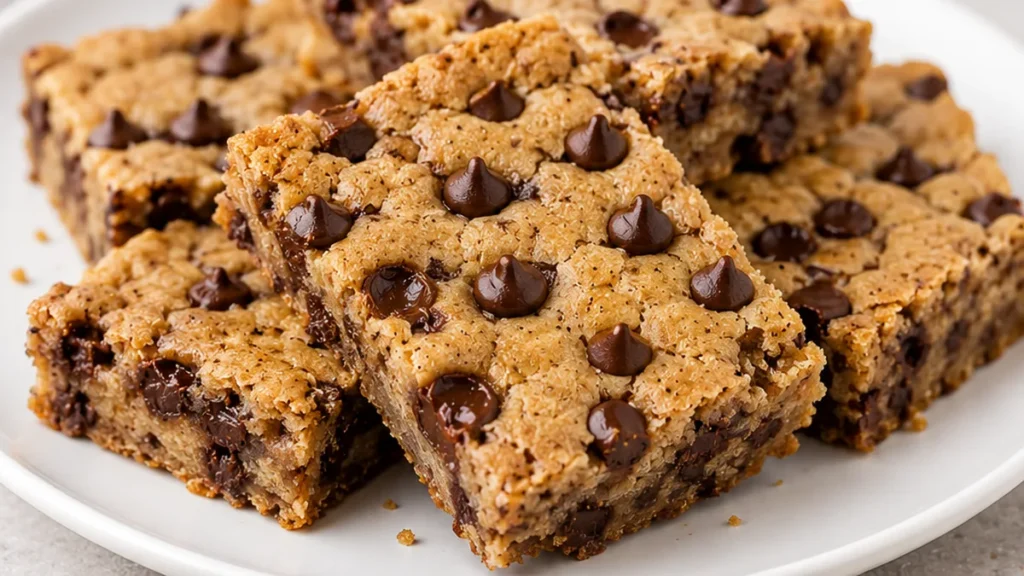
These keto cookie bars are the ultimate solution for anyone craving a sweet, satisfying treat without derailing their low-carb lifestyle. These keto cookie bars capture the classic chewy texture. This recipe delivers a rich, tender bar that’s packed with flavor and incredibly easy to prepare. Whether you’re new to keto or a seasoned pro, these delightful keto cookie bars are guaranteed to become a staple in your dessert rotation. They’re perfect for meal prep, a quick snack, or even a healthier party treat that everyone will love.
Key takeaways
- The key to chewy keto cookie bars is proper fat content and gentle baking, allowing them to finish setting as they cool.
- Avoid overmixing the batter to prevent toughness.
- Measure flours accurately and watch baking time closely to avoid dry or crumbly bars.
- Substitutions are possible, but may slightly alter the final texture and flavor.
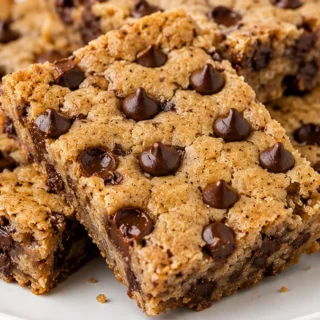
Chewy Keto Chocolate Chip Cookie Bars
Ingredients
- 1 + 3/4 cups Almond Flour
- 2 tbsp Coconut flour
- 1 tsp Baking powder
- pinch salt
- 1/2 cup Swerve Brown Sugar Sweetener
- 1/2 cup Almond Butter
- 4 tbsp Butter
- 2 Large Eggs
- 1 tsp vanilla extract
- 3/4 cup Keto Chocolate Chips
Instructions
- Preheat oven to 350F for 15 minutes.
- Line an 8×8 inch pan with parchment paper, leaving an overhang on two sides.
- In a large bowl, combine the almond flour, coconut flour, salt, and baking powder. Whisk well to combine.
- Using an electric hand mixer, beat the eggs and sweetener together on medium speed for 2 minutes until light and fluffy.
- Add the almond butter, melted butter, and vanilla extract to the egg mixture. Beat until fully combined, about 1 minute.
- Gradually add the almond flour mixture to the wet ingredients and mix on low speed until just combined, being careful not to overmix.
- Gently fold in the chocolate chips with a spatula until evenly distributed.
- Pour the batter into your prepared 8×8 baking pan and spread evenly with a spatula. Bake for 20-25 minutes, or until golden brown and a toothpick inserted into the center comes out clean.
Notes
The technique that makes it
The key to achieving perfectly chewy keto cookie bars lies in the fat content and the gentle baking process. The combination of almond flour and coconut flour provides a gluten-free base that absorbs moisture differently than traditional wheat flour. Almond butter and butter are crucial for richness and binding, contributing to the desirable chewy texture. It’s important not to overmix the batter once the wet ingredients are combined with the dry. Overmixing can develop the proteins in the almond flour, leading to tougher bars. The Swerve Brown Sugar Sweetener mimics the moisture and texture of brown sugar, which is essential for chewiness in traditional cookies. Baking at a moderate temperature (350°F or 175°C) ensures the bars cook through without becoming dry and crumbly. The bars should appear slightly underbaked in the center when you remove them from the oven, as they will continue to set and firm up as they cool. This residual heat is what creates that signature chewy interior. The keto chocolate chips, when melted into the warm batter, add pockets of rich chocolate flavor and contribute to the overall moistness.
Troubleshooting
- Bars are too dry/crumbly: This often happens if the batter is overbaked or if there’s an imbalance in the dry ingredients. Ensure you are measuring your flours accurately. Try reducing the baking time by a few minutes and allow the bars to cool completely before cutting.
- Bars are too flat/spread too much: Insufficient dry ingredients or too much fat can cause excessive spreading. Ensure you used the correct amount of almond and coconut flour. Also, make sure your butter and almond butter are softened but not melted, which can affect the batter’s structure.
- Bars are too hard: Overmixing the batter after adding the wet ingredients can toughen the bars. Mix only until just combined. Additionally, overbaking will dry out the bars, making them hard. Watch closely during the last few minutes of baking.
- Chocolate chips are bitter: Ensure you are using high-quality keto-friendly chocolate chips that are specifically formulated to be low in sugar and suitable for baking. Some sugar-free chips can have a different flavor profile.
Substitutions
- Almond Flour: For a nut-free option, you could try a blend of sunflower seed flour and a small amount of psyllium husk powder. The texture will be slightly different, potentially less rich.
- Swerve Brown Sugar Sweetener: Any granulated erythritol-based brown sugar substitute can be used. The key is to use one that has a molasses-like flavor to replicate the brown sugar notes.
- Almond Butter: Peanut butter (ensure it’s unsweetened and keto-friendly) or cashew butter can be used. Each will impart a slightly different flavor profile to the finished bars.
- Keto Chocolate Chips: Sugar-free dark chocolate chunks or finely chopped unsweetened baking chocolate can be used. The sweetness level will be lower, and the chocolate flavor more intense.
Pro tips
- For the chewiest keto cookie bars, avoid overbaking. The edges should be golden brown, but the center might still look slightly soft when you remove them from the oven. They will firm up as they cool.
- If your almond butter is too stiff, gently warm it in the microwave for 15-20 seconds to make it easier to mix.
- Storage: These keto cookie bars can be stored in an airtight container at room temperature for up to 5 days, or in the refrigerator for up to 10 days. They also freeze well for up to 2 months.
These keto cookie bars prove that healthy eating doesn’t mean sacrificing flavor or texture. Enjoy this delicious, guilt-free dessert, and don’t hesitate to experiment with different keto-friendly chocolate chips or even a sprinkle of sea salt on top before baking. Happy baking!
More from Keto Desserts & Sweets →
Frequently asked questions
What makes these bars chewy?
The chewiness comes from the balance of fats (almond butter, butter) and the specific sweeteners used, which mimic the moisture of brown sugar. Baking them until just underdone in the center and allowing them to cool is crucial for achieving the perfect chewy texture.
Can I use regular all-purpose flour?
No, this recipe is specifically designed for keto and uses almond and coconut flour. All-purpose flour contains gluten and carbohydrates, which would make the bars non-keto and significantly alter their texture and baking properties.
How should I store these keto cookie bars?
Store the cooled keto cookie bars in an airtight container at room temperature for up to 3 days, or in the refrigerator for up to a week. They can also be frozen for longer storage.
Why are my bars spreading too much?
Excessive spreading can occur if the butter or almond butter is too melted, or if there isn’t enough dry ingredient to absorb the fat. Ensure your fats are softened but not liquid, and double-check your flour measurements.