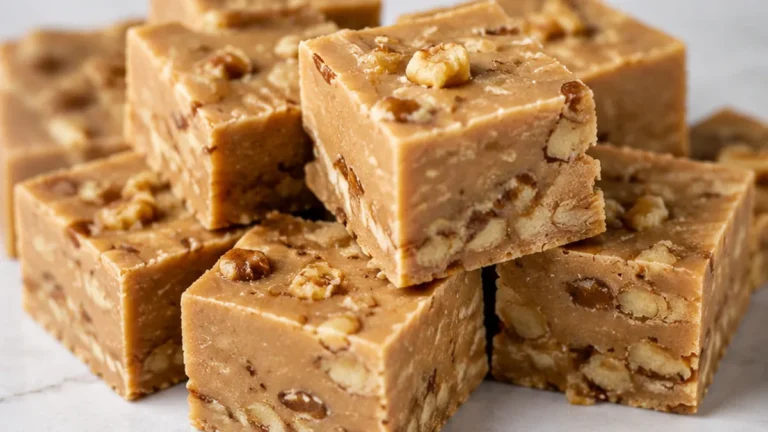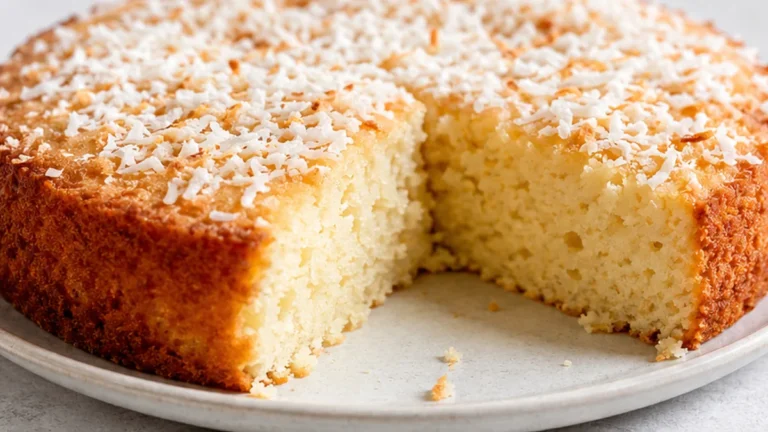
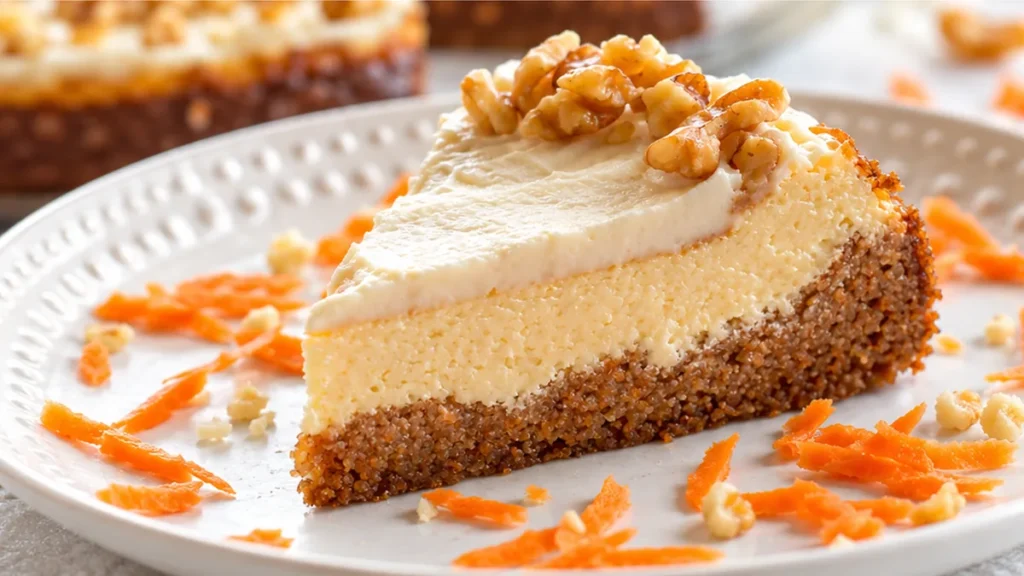
This low carb carrot cake cheesecake features a creamy filling and a spiced carrot cake base. It’s a satisfying dessert that fits low-carb dietary needs.
Key takeaways
- Choosing the right low-carb ingredients is crucial for texture and flavor.
- Avoid overmixing to maintain a light, fluffy cheesecake.
- Baking at a lower temperature helps prevent cracks in the cheesecake.
- Experimenting with spices can enhance the flavor but requires careful balance.
Low-Carb Carrot Cake Cheesecake
Ingredients
- 1/2 cup butter, melted
- 1/2 cup erythritol (monkfruit)
- 1/2 teaspoon liquid Stevia
- 2 eggs
- 1 teaspoon vanilla extract
- 1 cup shredded carrot
- 2/3 cup almond flour
- 2 tablespoons coconut flour
- 1 teaspoon ground cinnamon
- 1 teaspoon baking soda
- pinch salt
- 16 oz cream cheese, softened
- 1 tablespoon lemon juice
- 1/2 cup powdered Swerve
- 1/4 cup heavy cream
Instructions
- Preheat oven to 350 degrees F (175 C) and grease a 9-inch springform pan.
- For the carrot cake: In a large bowl, blend together the melted butter, erythritol, liquid Stevia, eggs, vanilla extract, and shredded carrot.
- Add in the almond flour, coconut flour, ground cinnamon, baking soda, and a pinch of salt. Mix until just combined. Pour into the prepared pan.
- For the cheesecake layer: In a large bowl, beat the cream cheese, erythritol, and liquid Stevia together until smooth. Mix in the eggs, vanilla extract, and lemon juice until just combined. Pour batter on top of the carrot cake layer.
- Bake for 40-50 minutes or until the middle is mostly set with a slight jiggle. Cover with foil if the cheesecake is browning too much. Let cheesecake cool completely to room temperature, then refrigerate for at least 4 hours or overnight.
- For the frosting: Beat the cream cheese, butter, powdered Swerve, vanilla extract, and heavy cream until smooth and fluffy. Frost the top of the cooled cheesecake and garnish with chopped nuts if desired.
Understanding the Role of Ingredients in Low-Carb Carrot Cake Cheesecake
The success of a low-carb carrot cake cheesecake hinges on the selection and balance of its ingredients. For instance, almond flour is commonly used as a low-carb alternative to traditional flour due to its lower carbohydrate content and higher fat content, which contributes to moisture and flavor. Typically, a ratio of about 1:1 almond flour to regular flour can be used, but adjustments may be necessary based on the moisture levels of other ingredients.
Moreover, the choice of sweeteners is crucial. Erythritol or stevia can replace sugar, but they have different sweetness levels and can affect the overall texture. Erythritol, for example, is about 70% as sweet as sugar, so a higher quantity might be needed to achieve the desired sweetness. Understanding these ratios helps ensure that the cheesecake maintains its intended flavor and texture.
Common Mistakes When Baking Low-Carb Desserts
One frequent issue when making a low-carb carrot cake cheesecake is overmixing the batter. This can lead to a dense cake rather than a light, fluffy texture. To avoid this, mix the ingredients just until combined and be cautious with the incorporation of egg whites, which should be folded in gently to maintain airiness.
Another common pitfall is incorrect baking temperatures. Baking at too high a temperature can cause the cheesecake to crack. A gentle bake at around 160°C (320°F) is often recommended to allow the cheesecake to set without rapid expansion. Additionally, using a water bath can help regulate temperature and moisture, leading to a smoother texture.
Ingredient Swaps and Their Impact on Flavor and Texture
When preparing your low-carb carrot cake cheesecake, certain substitutions can enhance or alter the outcome. For instance, substituting Greek yogurt for cream cheese can reduce calories and add a tangy flavor, but it may also yield a slightly different texture. Using coconut flour instead of almond flour is another option, but coconut flour absorbs more moisture, so you might need to increase the liquid in your recipe by about 25%.
Furthermore, adding spices such as nutmeg or allspice can deepen the flavor profile of the cheesecake, but keep in mind that these spices can also overpower the delicate taste of the carrot. A balance of spices is essential, typically no more than 1/2 teaspoon of each for a standard cheesecake recipe.
Unique Characteristics of Low-Carb Carrot Cake Cheesecake
This dish stands out due to its combination of flavors and textures that are not typically found in traditional carrot cakes or cheesecakes. The use of grated carrots not only adds moisture but also provides a natural sweetness and vibrant color. Unlike many low-carb desserts, this cheesecake successfully combines the richness of cream cheese with the lightness of a carrot cake, creating a unique dessert experience.
Additionally, the incorporation of nuts, such as walnuts or pecans, adds a delightful crunch that contrasts with the creamy filling. This textural variety is often lacking in other low-carb desserts, making this cheesecake a standout option for those seeking a healthier alternative without sacrificing taste.
How to Properly Store Low-Carb Carrot Cake Cheesecake
Storing your low-carb carrot cake cheesecake correctly is crucial for maintaining its flavor and texture. After baking, allow the cheesecake to cool completely at room temperature. Once cooled, cover it tightly with plastic wrap or transfer it to an airtight container. It can be stored in the refrigerator for up to 5 days. For longer storage, consider freezing the cheesecake. Wrap individual slices in plastic wrap and then place them in a freezer-safe container. When ready to eat, thaw overnight in the refrigerator and enjoy the next day.
Scaling the Recipe for Larger Gatherings
If you’re planning to serve a larger group, scaling the low-carb carrot cake cheesecake recipe is straightforward. Doubling or tripling the ingredients is possible, but be mindful of the baking time. A larger cheesecake may need additional time in the oven to set properly. Use a larger springform pan and adjust the cooking time by checking for doneness using a toothpick. The internal temperature should reach about 70°C (160°F) to ensure it is fully cooked.
Choosing the Right Equipment for Best Results
The equipment you use can significantly impact the outcome of your low-carb carrot cake cheesecake. A high-quality springform pan is essential for easy removal and even baking. A food processor or high-powered blender can help achieve a smooth batter, which is key for a creamy texture. Additionally, using a digital kitchen scale ensures precise measurements, particularly important when working with low-carb ingredients where ratios can affect the final product.
Seasonal Variations and Ingredient Quality Effects
Seasonal ingredients can greatly affect the flavor and texture of your low-carb carrot cake cheesecake. Fresh, in-season carrots tend to be sweeter and more flavorful, enhancing the overall taste of the dish. Similarly, using high-quality spices, such as freshly grated nutmeg or cinnamon, can elevate the flavor profile. Consider adding seasonal ingredients like crushed pineapple or pecans for a twist. Remember that ingredient quality directly correlates with the final outcome, so choose the best available options.
Understanding the Role of Temperature in Cheesecake Baking
Temperature control is crucial when baking a low-carb carrot cake cheesecake. The ideal baking temperature is around 160°C (320°F). This lower temperature allows the cheesecake to set without cracking. A sudden increase in temperature can cause the cheesecake to puff up and crack, so it’s essential to preheat the oven properly. Additionally, after baking, the cheesecake should be cooled gradually. Rapid cooling can lead to shrinkage and cracks. Allow the cheesecake to sit in the oven with the door slightly ajar for about an hour before transferring it to the refrigerator. This gradual cooling helps maintain its structure and texture.
Batch Scaling for Larger Gatherings
Scaling your low-carb carrot cake cheesecake recipe can be straightforward, but it requires careful adjustments to maintain the texture and flavor. When doubling the recipe, use a larger baking pan to ensure even cooking. The baking time may also need to be adjusted; a larger cheesecake may take longer to set. A good rule of thumb is to check for doneness 10-15 minutes earlier than the original recipe suggests. If you’re using a different pan, such as a springform or a glass dish, be mindful that heat conduction varies, which can affect baking time. Keeping an eye on the cheesecake as it bakes will ensure that it doesn’t overcook.
Seasonal Ingredient Quality and Its Impact
The quality of ingredients can significantly affect the outcome of your low-carb carrot cake cheesecake. For instance, fresh carrots are sweeter and more flavorful than those that have been stored for long periods. During peak season, typically spring and early summer, carrots tend to have a higher sugar content, which can enhance the overall taste of your cheesecake. Similarly, using fresh spices such as cinnamon and nutmeg can elevate the flavor profile. Always opt for high-quality, fresh ingredients whenever possible, as they contribute to the richness and depth of flavor in your dessert.
Understanding the Make-Ahead Benefits of Low-Carb Carrot Cake Cheesecake
One of the most appealing aspects of the low-carb carrot cake cheesecake is its make-ahead potential. Preparing this dessert in advance allows the flavors to meld beautifully, enhancing the overall taste. Ideally, you should prepare the cheesecake at least a day before serving. This resting time in the refrigerator allows the cheesecake to set properly, resulting in a firmer texture and richer flavor. When making it ahead of time, ensure you tightly cover the cheesecake with plastic wrap to prevent it from absorbing any odors from the fridge. For optimal freshness, consume the cheesecake within 5 to 7 days when stored properly. If you plan to freeze it, slice the cheesecake into individual portions and wrap each slice tightly in plastic wrap, followed by aluminum foil. This method helps maintain the texture and flavor when thawed. To thaw, place the cheesecake in the refrigerator overnight before serving, which helps preserve its integrity.
Choosing the Right Equipment for Perfect Results
The equipment you use can significantly impact the outcome of your low-carb carrot cake cheesecake. A high-quality springform pan is essential for easy removal of the cheesecake without damaging its structure. Opt for a pan with a non-stick coating for the best results. Additionally, a food processor can streamline the process of finely grating the carrots and mixing the batter, ensuring a uniform consistency. When baking, an oven thermometer can help maintain the correct temperature, as home ovens often have discrepancies. For a smoother surface, consider using a water bath during baking, which provides gentle heat and prevents cracking. If you prefer a more rustic look, skip the water bath but ensure you monitor the baking time closely. Lastly, an instant-read thermometer is invaluable for checking doneness; the cheesecake should reach an internal temperature of about 65°C (150°F) when finished.
Pro tips
Pro tip: Best served immediately while hot!
Frequently asked questions
Can I use regular sugar instead of low-carb sweeteners?
While you can use regular sugar, it will increase the carbohydrate content significantly, making it unsuitable for a low-carb diet. Consider using erythritol or stevia for a healthier alternative.
How can I prevent my cheesecake from cracking?
To prevent cracking, bake your cheesecake at a lower temperature and consider using a water bath. This method helps maintain moisture and regulates the baking temperature.
Is it necessary to use almond flour?
Almond flour is a popular choice for low-carb baking due to its low carbohydrate content. However, you can substitute it with coconut flour, but be mindful of adjusting the liquid content as coconut flour absorbs more moisture.
How long should I let the cheesecake cool before serving?
Allow your cheesecake to cool in the oven with the door slightly ajar for about an hour after baking. Then, refrigerate it for at least four hours, preferably overnight, to ensure it sets properly.
More from Keto Desserts & Sweets →